
Your quick guide to customer acquisition


What is customer acquisition?
Customer acquisition is the process of winning new customers, from first building awareness to closing the sale.
Here is what a strong customer acquisition plan does for a business:
- It raises brand awareness and builds real demand.
- It guides prospects through each stage of the buying funnel.
- It turns curious visitors into paying, loyal customers.
In simple terms, customer acquisition is a strategy in marketing that focuses on gaining new customers. So it covers everything from raising brand awareness to building demand and leads. The main goal is to nudge potential buyers toward a purchase.
Customers are the lifeblood of any business. After all, a company cannot survive unless people buy what it offers. So the best firms answer client needs early. In fact, the top rule for a winning campaign is simple: start with the customer’s point of view.
Why is a customer acquisition strategy important?
A clear customer acquisition strategy is one of the most important projects for any company. So the right plan helps you build a loyal client base that lasts. In addition, it protects the money you spend to grow.
No matter your size, customer acquisition helps lift your return on investment (ROI). Meanwhile, it keeps your costs in check. Still, it works best when you pair it with strong customer retention, so new buyers buy again.

Stages of the customer acquisition funnel
Most buyers move through five clear stages before they pay. So it helps to know each one and plan for it.
Stage 1: Awareness
The first stage is all about reach. Your goal is to create awareness about the products or services you offer. However, you should not push people to act just yet. Because this is the first touch, you only want prospects to remember your brand. As a result, you can teach them about their pain points and show how you help.
Stage 2: Interest
At this point, you want to keep prospects on your site and spark real interest. Most buyers want the best value at a fair price. So your agents must be good at guiding people to the right products. Through consumer education, a company sets itself apart from rivals. In addition, you keep buyers interested when you offer something of real value.
Stage 3: Consideration
The consideration stage is a key step in the sales process. Now buyers know your brand and products well. As a result, they can make an informed choice based on your offers. For example, many marketers use free trials to let prospects test their products. So people visit the site, download content, and sign up for a trial. In turn, the free trial helps buyers get to know the company and what it sells.
Stage 4: Intent
Consumer intent shows up in the actions a buyer takes toward a purchase. Meanwhile, customers move closer to buying as they go down the funnel. For example, they watch product demos, learn more, and add items to their cart. So these signals mark the intent stage.
Stage 5: Purchase
This is the final stage. Here, buyers pay after they weigh all their options. So a prospect turns into a customer once the deal closes. In addition, a happy buyer is far more likely to come back. As a result, strong service at this point feeds long-term customer loyalty.
Different customer acquisition channels
You bring in new buyers through customer acquisition channels. So it helps to pick the right mix of digital marketing channels for your goals. Here are the main ones you can use.
Organic search
Organic traffic is valuable because it is precise. People who find you through search have a clear goal in mind. So if you help them reach it, they are more likely to buy.
Email marketing
Email marketing keeps your list informed about new items, deals, and offers. So the main goal is to show the value of your brand. In addition, it keeps buyers engaged between orders.
Paid social
Paid social means sponsored posts on platforms like Facebook, X, and LinkedIn. So marketers use it to work more efficiently and reach new buyer groups. Meanwhile, it can scale fast when a campaign works well.
Word-of-mouth marketing
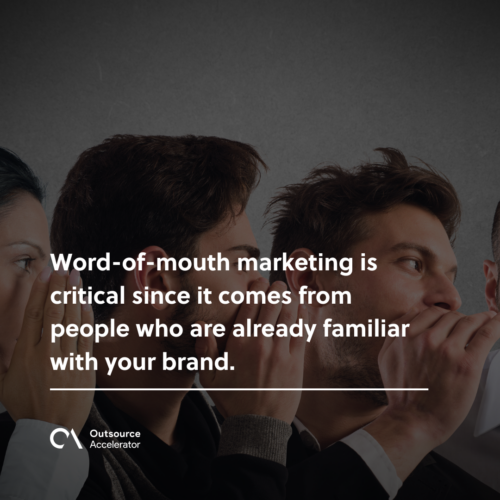
Word-of-mouth marketing is powerful because it comes from people who know your brand. Friends and family are good examples. In addition, many people trust advice from friends and family more than any ad.
Referrals
Referral marketing also runs on recommendations and word of mouth. So it works well for e-commerce sites and other online firms. One reason is simple: it taps your current buyers to bring in new ones.
Cold outreach
Cold outreach means contacting people who do not yet know your business. Usually, you do this by email. So you send a short note with an offer to catch their eye. Because of this, cold email is a cheap way to generate leads. For more ideas, you can also study proven lead generation techniques and test what fits your audience.
Social media
Social media marketing uses social platforms to promote a product or service. Meanwhile, social use keeps growing every year. As a result, this channel is popular for its wide reach and low cost.
Video
Video marketing promotes a product through short, clear clips. Because video is easy to watch, it boosts engagement across social channels. In addition, it teaches your audience fast.
Radio and television
TV and radio come with higher prices. However, big firms and franchises with a wide audience often see the best results. So talk to a local agency or the stations to learn the cost.
Events
Events let you meet potential buyers face to face. So you can stand out in a crowded digital world. Meanwhile, a live demo lets you show and sell your product in person.
Best practices for customer acquisition
The problem is that many firms lack a clear plan to win new buyers. So the best fix is a well-defined customer acquisition strategy. Here are some tips to guide your plan.
Focus on a specific group of people
Every campaign starts by naming your target audience. So a clear niche helps you shape the rest of your plan. In turn, you know your strategy works when your product solves a real problem for that group.
Use the proper acquisition channel
The right channel leads you straight to your buyers. So whether it is social media, organic search, or a paid ad, each first touch counts as a channel. As a result, you succeed when you match your niche to the right acquisition channel.
Regularly produce fresh, high-quality content
Using content marketing to win buyers is still one of the most powerful tactics today. So your site should focus on unique, useful, high-quality content. Still, the main goal stays the same: give visitors a positive experience.
Optimize your content to improve rankings
To make content work, you need fresh, SEO-friendly articles on a regular basis. So aim to rank high and reach more of your target audience. Search engine optimization (SEO) drives those rankings. For example, it covers keyword use and smart linking.
Provide giveaways
Sometimes words alone will not convince a buyer to spend. So you may want to run a contest or give away a prize. As a result, the more you show off your products, the more likely people are to buy.
Use co-branded content and affiliate marketing
Co-branded content is a smart move for your business. So Affiliate marketing can widen your reach and bring in more buyers. Still, your success depends on how well your product fits a partner’s. For example, you can team up with a firm that shares your audience but is not a direct rival.
Study your competitors
Watching your rivals helps you sharpen your own plan. So start with their social media accounts. Next, find out which posts and ads get the most attention. In turn, you can build stronger customer relationships by learning what your market responds to.
Frequently asked questions about customer acquisition
What is the difference between customer acquisition and customer retention?
Customer acquisition is about winning brand-new buyers. Retention, on the other hand, keeps the buyers you already have. So acquisition grows the top of your funnel, while retention protects revenue.
How do you measure customer acquisition cost?
You divide your total sales and marketing spend by the number of new customers won. For example, spending 10,000 dollars to gain 100 buyers gives a cost of 100 dollars each. So a lower cost usually means your channels work well.
Which customer acquisition channel is best for a small business?
There is no single best channel for every firm. Still, organic search and email marketing often give small budgets a strong return. So start with one or two channels and scale what works.
How long does customer acquisition take to show results?
It depends on the channel. Paid ads can bring buyers fast, sometimes within days. Meanwhile, organic search and content marketing take months. Because of this, most firms mix quick wins with steady tactics.
Can you outsource customer acquisition?
Yes, many firms outsource parts of the work. For example, you can hand off lead generation, cold outreach, or SEO to a specialist team. As a result, your in-house staff can focus on closing deals.






 Independent





