
Remote employee and company management


How do you manage remote employees well?
You manage remote employees well by setting clear goals, communicating often, using the right tools, and trusting your team to do the work.
- Good remote employee and company management blends clear process with the right technology.
- It relies on tools for training, onboarding, monitoring, and fast payments.
- Above all, it rests on trust, steady contact, and a shared focus on goals.
Remote work is far more than a passing trend. Per Global Workplace Analytics, work-from-home has grown strongly over the past two decades. It helps large firms fill staffing needs, and it can help small businesses too. The latest work-from-home statistics show just how fast this shift has moved.
Managing remote staff gets much easier with the right technology. This is true whether you use remote work sites or business process outsourcing. In fact, even Fortune 1000 firms now reshape their spaces for remote teams. So this article covers remote employees and how to manage them well.
What is a remote employee?
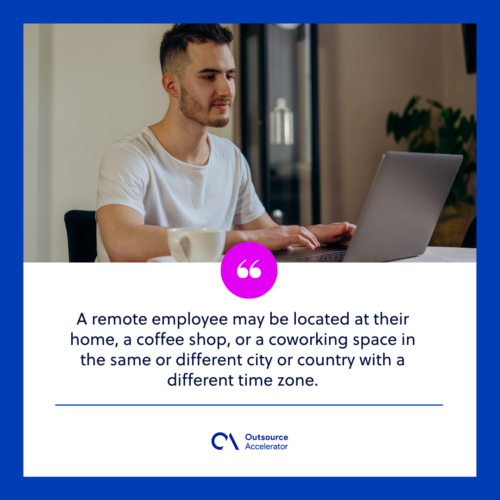
A remote employee is someone who does work outside of the office. They may work from home, a coffee shop, or a coworking space. Some sit in the same city, while others work from a different country and time zone.
The setup depends on the deal between the worker and the company. For example, some staff work remotely one day a week. Meanwhile, others go fully remote with help from a trusted third party like Remote Employee.
Remote work can help both sides. For example, the company saves on office space, desks, and gear. In return, employees often feel more productive and happy because they skip the daily commute. These are just a few of the benefits of virtual teams.
Companies that hire remote employees
Yahoo and IBM were early, well-known users of remote work, and IBM was the first to try telecommuting. However, they later pulled staff back due to monitoring and management trouble.
Nowadays, more firms hire remote employees or use remote work as part of their strategy. This shift also fits our times, since many collaboration and monitoring apps now exist online. For example, firms like Automattic and TimeDoctor run fully remote teams and still thrive today.
Hiring remote employees
Firms that want remote staff should first fine-tune their operation and brand. As a result, they attract strong, high-quality people. Other steps to take include:
- Putting up an online employer profile. A strong profile helps remote workers learn about the company, its culture, and its values.
- Getting the hiring process organized. Remote staff need specific skills to do well. For instance, they should communicate clearly, manage time well, and collaborate with in-house peers. Hiring without these skills rarely works out.
- Proper sourcing and job advertising. Remote posts do not always work on boards like Monster and Indeed. So use job boards built for remote listings. You can still post on global boards, as long as you state that the role is remote.
Beyond remote work platforms, firms can also hire through staffing providers like The Remote Group. This way, you skip the stress of running recruitment from start to finish. Getting staff the right remote working equipment early also sets them up to succeed.
Remote work management
In the past, monitoring and collaboration were the hardest parts of remote work. This is why it failed at some firms. However, today’s software makes even daily communication simple.
Training
Live training can be tricky when staff work in a different time zone. However, online courses let people learn on demand, even without a live instructor. In addition, employers can build a course to reuse for current and future hires.
Onboarding
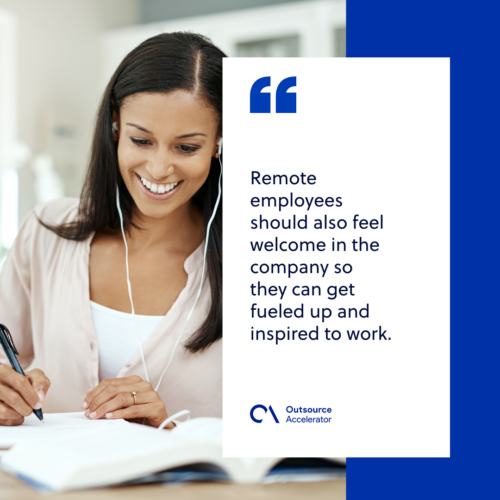
Remote staff should feel welcome so they start with energy and focus. So there are many ways to onboard new people. For example, meet them on video, introduce them to the team, and cheer their first wins. Modern automated onboarding programs can make this smoother and faster.
Monitoring
Some employers hold back on remote hiring because they fear a loss of control. This is where screen monitoring tools help. These tools offer screen capture, time tracking, and website logs. As a result, managers can see that work is getting done. Good time tracking software adds another clear view of daily output.
Work collaboration
Besides screen monitoring, there are other ways to track progress. GitLab, for example, uses GSuite (now Google Workspace) to share insights with staff. For chats and calls, Zoom and Slack handle online meetings and internal messages.
Project management
Managers also use project management software to organize and track work. This also flags when a task stalls, so the team can step in. Strong virtual project management keeps remote teams aligned and on schedule.
Payment
In the past, extra fees and slow processing held up cross-border pay. Now, however, platforms like Payoneer make it quick and near instant. As a result, you can send money overseas with fewer fees and fast clearing.
Best practices in remote employee management
Tools matter, but strong process and good habits matter more. Here are some best practices to help you manage remote teams well.
- Set goals and expectations. Spell out clear goals and what success looks like. This gives staff purpose and keeps them aligned.
- Communicate regularly. Steady contact keeps the team moving. So set a fixed time for one-on-one calls with each person.
- Trust your employees. Monitoring tools are not a license to watch every move. So trust people and let them work.
- Let employees engage. Also give staff time for small talk with teammates. As a result, they bond and feel less isolated.
- Focus on the goal. Remote staff exist to help the company win. So focus on outcomes, not just single tasks.
Frequently asked questions
What is remote employee management?
Remote employee management is how you lead staff who work outside the office. It covers hiring, training, communication, and pay. In short, it keeps a distributed team productive and connected.
How do you monitor remote workers fairly?
Use tools like screen monitoring and time tracking to confirm output. However, keep it light and clear. Focus on results, and give staff room to work without constant watching.
What tools help manage a remote team?
Chat and video apps keep everyone in touch. In addition, project management and time tracking tools organize the work. Payment platforms then handle fast, low-cost cross-border pay.
How do you onboard a remote employee?
Start with a warm welcome over video and a clear first-week plan. Next, introduce them to the team and set early tasks. Automated onboarding programs can make the whole process smoother.
Can you hire remote staff through a third party?
Yes, and many firms do. Providers like Remote Employee and The Remote Group handle sourcing and hiring for you. As a result, you save time and skip much of the admin.
Key takeaways
- Remote employee and company management blends clear process with the right tools.
- Good hiring, training, and onboarding set remote staff up to succeed.
- Monitoring, project, and payment tools keep work on track and pay on time.
- Trust and steady communication matter more than constant oversight.
- A trusted partner can handle sourcing and hiring so you focus on results.






 Independent





