
Technical support engineer: Definition, skills, and responsibilities

What is a technical support engineer?
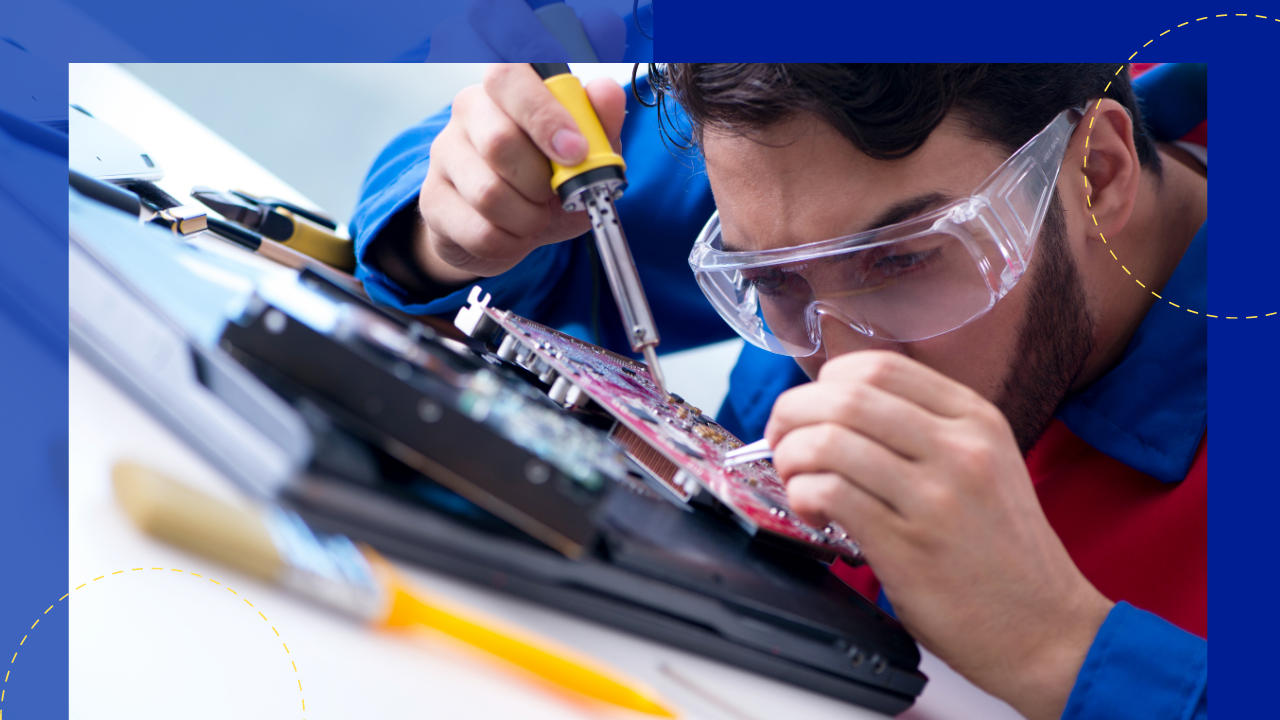
A technical support engineer is an IT professional who helps clients fix hardware, software, and network problems so their systems keep running smoothly.
- They diagnose and resolve technical issues for users.
- They need strong technical skills plus clear communication.
- They work across support levels, from basic fixes to complex escalations.
Technology moves fast today. So the role of a technical support engineer keeps growing in value. Software, hardware, and online services change all the time. As a result, firms rely on skilled experts to help users and fix problems. This article covers the definition, skills, and duties of a technical support engineer.
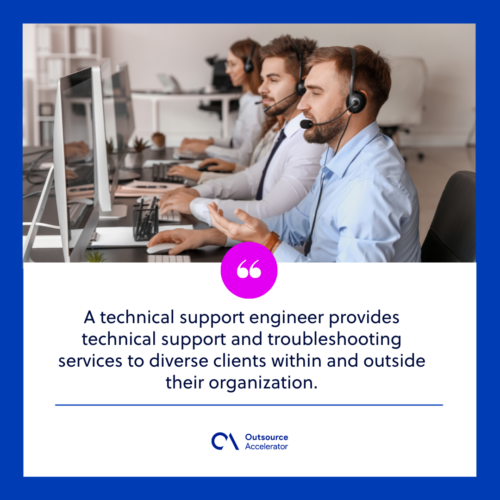
A technical support engineer provides technical support and troubleshooting to clients. These clients sit both inside and outside their organization.
They resolve network problems and configure operating systems. They also provide remote assistance through remote desktop connections. In addition, they use email and chat apps to answer clients fast. So basic IT issues get solved quickly.
Educational requirements of a technical support engineer
A technical support engineer needs the right background. This field values hands-on skill and real experience. Still, a formal degree in computer science can help. Let us look at the common paths.
Degree programs
Many technical support engineers hold a bachelor’s degree. Common fields include computer science and computer engineering. Others come from a closely related area.
Certifications
Certifications add to a degree. So they can strengthen an engineer’s profile. They prove skills in specific tech areas. As a result, candidates look more marketable to employers.
Practical experience and hands-on projects
Training and certifications lay the base. Still, real experience matters most. So employers seek people who have fixed real technical issues. In short, hands-on work with end users counts a lot.
Essential skills of a technical support engineer
A technical support engineer needs both technical and soft skills. Here is a closer look at each.
Technical skills
Strong technical skill lets an engineer fix client problems fast. So they must know their product well. In addition, they must grasp the technology behind it. A quick look at IT support levels shows how these skills scale up.
Knowledge of operating systems
Tech support engineers must know different operating systems. These include Windows, Mac OS, and Linux. So they can diagnose and fix system issues while guiding customers.
Networking skills
Networking skills are vital for this role. Engineers resolve network problems and configure systems. They also provide remote support through remote desktop links. In addition, they must know protocols like TCP/IP, DNS, and DHCP. These same skills sit at the heart of a network engineer role.
Knowledge of programming languages
Engineers should know languages like Java, C++, Python, and Ruby. So they can polish software issues. As a result, they can guide clients with clear advice.
Troubleshooting skills
A technical support engineer needs sharp troubleshooting skills. So they can offer practical fixes to customers. In short, they must diagnose and resolve issues fast.
Hardware knowledge
Engineers must understand core hardware. For example, they should know CPUs, motherboards, RAM, and hard drives. So they can fix hardware faults and give clear guidance.
Security knowledge
Security know-how is essential here. So engineers should understand firewalls, antivirus, and malware protection. As a result, they keep systems safe.
Soft skills
A technical support engineer also needs strong soft skills. Here are the key ones.
Communication skills
Communication skills are critical for this role. Engineers deal with customers every day. So they must explain technical ideas in plain words. In addition, they must match their style to the customer’s level.
Customer service skills
An engineer needs strong customer service skills. So they keep customers happy. They listen with patience and offer timely fixes. In addition, they follow up to confirm the issue is solved.
Time management skills
Good time management matters here. So engineers plan their day well. As a result, they give customers prompt solutions.
Documentation skills
An engineer needs clear documentation skills. So they can record every customer issue and fix. In addition, they create user manuals, troubleshooting guides, and FAQs.
Roles and responsibilities of a technical support engineer
In general, a technical support engineer handles the tasks below.
Providing technical assistance
Engineers help customers by phone, email, chat, or in person. So they explain complex ideas in simple terms. As a result, customers know exactly what to do.
Troubleshooting technical issues
These experts diagnose and troubleshoot technical issues that customers face. So they must know their product inside and out. The right technical support tools make this work faster.
Documenting and tracking issues
Engineers must document and track every reported issue. So they use tools like a help desk ticketing system. As a result, they resolve issues within the agreed service level agreement (SLA).
Escalating issues
Knowing when to escalate is key. So engineers must spot when a problem needs a higher-level team. For example, some issues go to engineering or development. As a result, the customer gets the best possible fix. A clear grasp of help desk vs technical support makes these handoffs smoother.
Continuous learning
Engineers must keep up with new trends. So they train, attend workshops, and read technical guides. As a result, their skills stay sharp.
Providing customer feedback
Sharing feedback with other teams is vital. This feedback comes from client reports. So it helps improve products and services. As a result, firms avoid the same problems later.
Outsourcing technical support engineer
Many firms now outsource technical support engineers. So they can streamline operations and cut costs. By trusting outside experts, they focus on core work. As a result, they still give users reliable support.
Outsourcing opens access to seasoned engineers with special skills. These experts handle many technical issues well. So they provide fast, robust fixes. In addition, firms gain this know-how without huge training costs. Some also use remote technical support to reach users anywhere.
Frequently asked questions about the technical support engineer role
What does a technical support engineer do?
They help clients fix hardware, software, and network problems. So they diagnose issues and provide clear solutions. In addition, they document and track each case.
What skills does a technical support engineer need?
They need strong technical skills across systems, networks, and security. In addition, they need soft skills like communication and time management. So they can help customers with ease.
What qualifications does a technical support engineer need?
Many hold a degree in computer science or a related field. Certifications add extra value. Still, hands-on experience often matters most.
What is the difference between a help desk and a technical support engineer?
A help desk handles basic, first-line requests. A technical support engineer solves deeper, complex issues. So the two roles support each other across the support chain.
Why do companies outsource technical support engineers?
Outsourcing cuts costs and frees up internal teams. So firms focus on core work. In addition, they gain skilled experts without heavy training.
Key takeaways
- A technical support engineer fixes hardware, software, and network problems.
- The role needs strong technical skills plus clear communication.
- Key duties include troubleshooting, documenting, and escalating issues.
- Continuous learning keeps engineers current with new technology.
- Outsourcing the role helps firms cut costs and access expert skills.






 Independent





