
4 challenges of real estate offshoring and ways to overcome them


What is real estate offshoring?
Real estate offshoring means hiring an overseas team to handle support tasks so your agents can focus on clients and deals.
- It lowers the cost of admin, listings, and research work.
- It frees your local staff for high-value selling.
- It brings a few clear challenges, and each one is easy to manage.
Demand for outsourcing has grown fast across the property sector. Firms now rely on remote workers, virtual assistants, and offshore teams every day. As a result, many agencies scale faster while they keep costs low.
The market is large, too. For example, one report shared by Global Newswire put the global real estate market above $3.7 trillion. Because of this, more firms now explore real estate outsourcing to stay ahead.
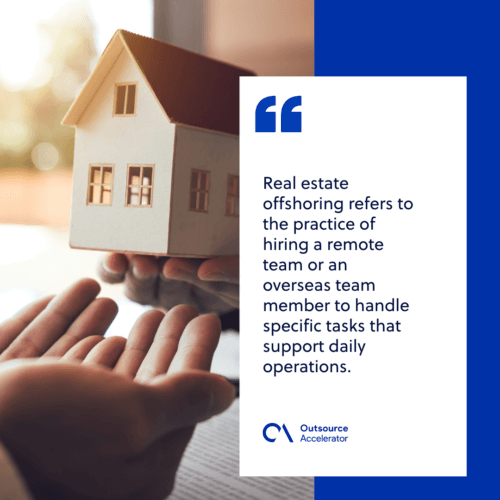
Real estate offshoring refers to the practice of hiring a remote team or an overseas team member to handle specific tasks that support daily operations. So real estate pros get more time for their core business.
Real estate offshoring: What tasks can you offshore?
Offshoring providers connect you with skilled, well-trained overseas staff. These teams handle a wide range of tasks set by the client. For example, common real estate services include marketing, sales support, accounts, and property management.
Sales support is a strong fit, too. Many firms offshore lead follow-up to a real estate appointment setter who books viewings and qualifies buyers.
A good offshoring company like MVP Asia Pacific has the right tools to serve clients well. Besides hiring quality talent, MVP Asia Pacific also invests in strong infrastructure and the latest tech. Here are three of the most commonly offshored services, which MVP Asia Pacific also offers.
Paperwork management
Paperwork is repetitive and takes a lot of time. Instead of hiring in-house staff, agents can record, process, and track key documents with an offshore team. As a result, all this work gets done at a much cheaper cost. It also saves your in-house team valuable time. Many firms route this work through offshore back office support for a steady, reliable flow.
Listing updates
Listing work is another key task that needs the right experts. So offshoring listing updates to dedicated remote staff frees agents for more important work. At the same time, it lifts the whole team’s output.
Market research
Trusted real estate offshoring firms build strong market research plans. As a result, clients can take a clear step ahead of rivals. Many owners also look at offshoring market research to widen their reach.
MVP Asia Pacific, for example, offers research plans built around each client’s needs. Its real estate offshoring experts aim for results that lift profit and market share.

4 challenges of real estate offshoring and how to overcome them
Offshoring brings many perks, such as higher output and lower costs. Still, it also carries a few risks. So firms should know these challenges and plan for them early. A simple guide to offshore team best practices can help you get ahead of each one.
Poor project management
Miscommunication leads to confusion and mistakes. For example, on some projects it is unclear who can make the call. Because of this, constant and clear communication is a must.
So set up a reliable communication plan and a clear structure with your offshore teams. In addition, before a project starts, tell offshore staff who signs off on approvals and decisions.
Vague project directions
Unclear notes on tasks and processes can leave offshore teams lost. As a result, work slips and quality drops. So proper communication is always the key to a good offshoring venture. Clients should give clear guidelines on every task and project.
Unrealistic expectations
Unrealistic goals often end in letdowns. For example, an unworkable timeline can push both offshore and in-house staff to miss deadlines. So firms should weigh how much time offshore teams truly need. Market research, for one, calls for deep study, so give it enough time.

Cultural differences
Cultural gaps show up in almost all offshoring, since remote teams come from other countries. So real estate firms should weigh these gaps in communication, legal rules, and local norms. In addition, good offshore team training helps bridge them fast. Finally, it is best to pick a provider that shares your work ethic, vision, and goals.
MVP Asia Pacific’s real estate offshoring services to the rescue!
MVP Asia Pacific provides real estate offshoring experts for firms of every size, from startups to small and medium businesses and large firms. So hire seasoned remote workers and scale your business faster.
Contact MVP Asia Pacific today to learn more about this great opportunity!
Real estate offshoring FAQs
What tasks can I offshore first in real estate?
Start with steady, rule-based work. For example, paperwork, listing updates, and data entry move well to an offshore team. So your local staff keep more time for clients and closings.
How much can real estate offshoring save?
Savings depend on the role and the country. Still, offshore staff often cost far less than local hires for the same task. As a result, many firms cut support costs while they keep quality high.
Is real estate offshoring only for large agencies?
No. Small teams gain a lot, too. For example, one offshore assistant can cover admin, listings, and follow-up. So even a solo agent can free up hours each week.
How do I keep offshore staff aligned with my goals?
Set clear tasks, simple workflows, and regular check-ins. In addition, share your brand voice and service standards early. Because of this, offshore staff act as a true part of your team.
What should I look for in an offshoring provider?
Look for skilled talent, solid tools, and a good culture fit. Next, ask about training, security, and support. Finally, pick a partner that shares your vision and long-term goals.






 Independent





