
The best tricks to pass QA in call centers


What is QA in call centers?
QA in call centers is the process of checking agent-customer interactions against set standards to keep service quality high.
- QA reviews calls, chats, and emails to measure how well agents perform.
- It aligns every interaction with the company’s goals and customer needs.
- Agents pass QA by staying calm, showing empathy, and practicing daily.
Call center work is less about hitting quotas. It is more about solving customer problems in a kind, correct way. QA in call centers keeps that focus in place. It makes sure each interaction serves the customer and the business. Below, we explain how it works and how agents can pass QA checks with ease.
What is quality assurance in a call center?
QA in call centers is a clear way to grade agent-customer interactions. Calls are recorded, marked up, and scored against key metrics. Those metrics tie back to the company’s goals. As a result, QA becomes a steady way to raise the level of service agents give. The passing bar also climbs as agents grow.
QA inspectors and line managers run these checks often. Quarterly and biannual appraisals help align daily work with business goals. At the same time, QA acts as a quick refresher on manner and tone. So it is a key part of call center life. Many teams track this work with dedicated call center quality assurance software.
The role of a QA team in a call center
QA inspectors have one of the toughest jobs on the floor. They sift through calls, emails, chats, and every agent reply. These records are saved and watched in real time. Inspectors review them closely because they show the heart of customer contact.
Score sheets and other metrics guide their work. With these tools, they grade each agent’s performance. Nothing slips past them. They check tone of voice, manner of speech, and use of the standard script. Then they score agents against the training standards. To see which numbers matter most, review these key call center metrics.
Tips for passing QA checks
QA checks can feel daunting. Agents handle hundreds of calls each week. So staying aware of tone and manner is hard. Still, agents must pass QA to keep working. It also helps the center hold on to its clients.
Unlike a school exam, QA does not happen in one day. It looks at your past performance over time. So you cannot cram for it. A steady effort to improve performance is what counts. Here are some hacks that have worked for other agents.
Always be mindful of your tone
Tone is a big part of any call. A sharp tone can sound rude. A flat tone can sound lazy. So aim for a warm, lively voice. It makes the caller feel at ease. It also shows you are serious and polite.
Stay calm in every situation. Keep a polite tone even when the caller is upset. QA inspectors watch how you handle hard calls. Getting through an irate call will lift your score.
Empathize with the clients
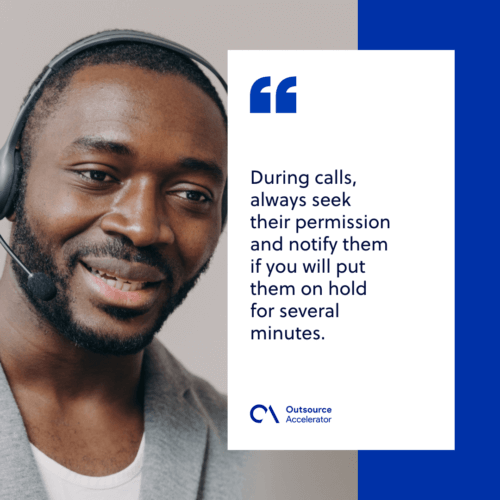
Clients call because they need help. Often they are stressed and out of options. So address them politely and assist with care. Manage their hopes too. Do not make promises you cannot keep. Before any hold, ask for their okay and give a clear time. Strong customer service skills make empathy feel natural.
Practice, practice, practice!
You cannot ace QA by cramming overnight. QA measures your behavior with clients. So the small things you do each day matter most. The best way to pass is to live the traits your managers want. There is no shortcut. Reread and refresh the company’s standards often.
Request feedback from superiors
The best way to track your growth is to ask for input. Seek the affirmation of the direct line managers. They have been through it and know the ropes. Their tips help you reset your mindset. It also shows you are eager to learn and grow. Remember, QA is not a death sentence. It is a curve that hones your skills.
Peer collaboration helps
QA is about scores and high CSAT grades. Even so, it should not turn into a contest. Instead, use it to build a team that helps each other. Sharing tips lifts agent performance and service quality.
HR or line managers can set up peer meetings. These build trust and shared purpose. They also act as steady support when someone falls short. As a result, morale rises and everyone performs better.
QA in call center best practices
High scores matter during QA checks. Still, the process should not stress agents out. Too much pressure can hurt their growth. Mistakes will happen, but you can manage them well. Below are best practices teams can adopt during QA.
Encourage continuous training
There is no shortcut to quality work. So companies must keep training their agents. Regular refreshers remind agents what is expected. Over time, good habits become second nature. Supplementary training programs also help agents grow. This raises the odds of winning more clients. It also helps to align with recognized quality assurance standards.
Do not lose sight of the customer
QA can fixate on scores and standards. That focus can backfire. Agents may chase points and forget the caller. So real, helpful contact becomes secondary. Yet the whole goal of QA is better customer satisfaction. Managers must keep that balance clear.
Make the whole process enjoyable
Learning should be fun. Stressed learners do not grow for long. A relaxed, upbeat setting sparks creativity. As a result, agents stay open to new ideas. They also take criticism in stride instead of pushing back.
Why is conducting QA in call centers a must?
The call center industry has grown a lot over the years. More business now runs online and through calls. Meanwhile, a huge share of that work is outsourced to BPO firms and call centers.
This growth brings tough competition for customers. The company with the best customer experience tends to win. So QA in call centers is a big deal. It keeps service sharp as buyer needs shift fast. Only steady QA checks can keep pace with the market.
QA in call centers can be challenging. Still, it can be enjoyable too. The key is to keep everyone engaged with the right mindset at work.
Frequently asked questions about QA in call centers
What does QA measure in a call center?
QA measures how well agents handle each interaction. It checks tone, empathy, accuracy, and script use. As a result, it shows where an agent can improve.
How can an agent pass QA checks?
Agents pass by practicing good habits every day. Stay calm, show empathy, and follow the standards. Because QA looks at past work, steady effort matters most.
Who runs QA in a call center?
QA inspectors and line managers run the checks. They review recorded calls, chats, and emails. Then they score each agent against set standards.
How often do QA checks happen?
Most centers run QA all the time in the background. On top of that, they hold quarterly or biannual reviews. This keeps daily work in line with business goals.
Why is QA important for customer satisfaction?
QA keeps service consistent and kind. So customers get better help on every call. As a result, they trust the brand and stay loyal.
Key takeaways
- QA in call centers grades agent-customer interactions against clear standards.
- Inspectors review calls, chats, and emails to score performance.
- Agents pass QA by staying calm, showing empathy, and practicing daily.
- Continuous training and peer support raise scores and morale.
- The real goal of QA is stronger customer satisfaction, not just high scores.






 Independent





