
Your basic guide to quality assurance standards

What are quality assurance standards?
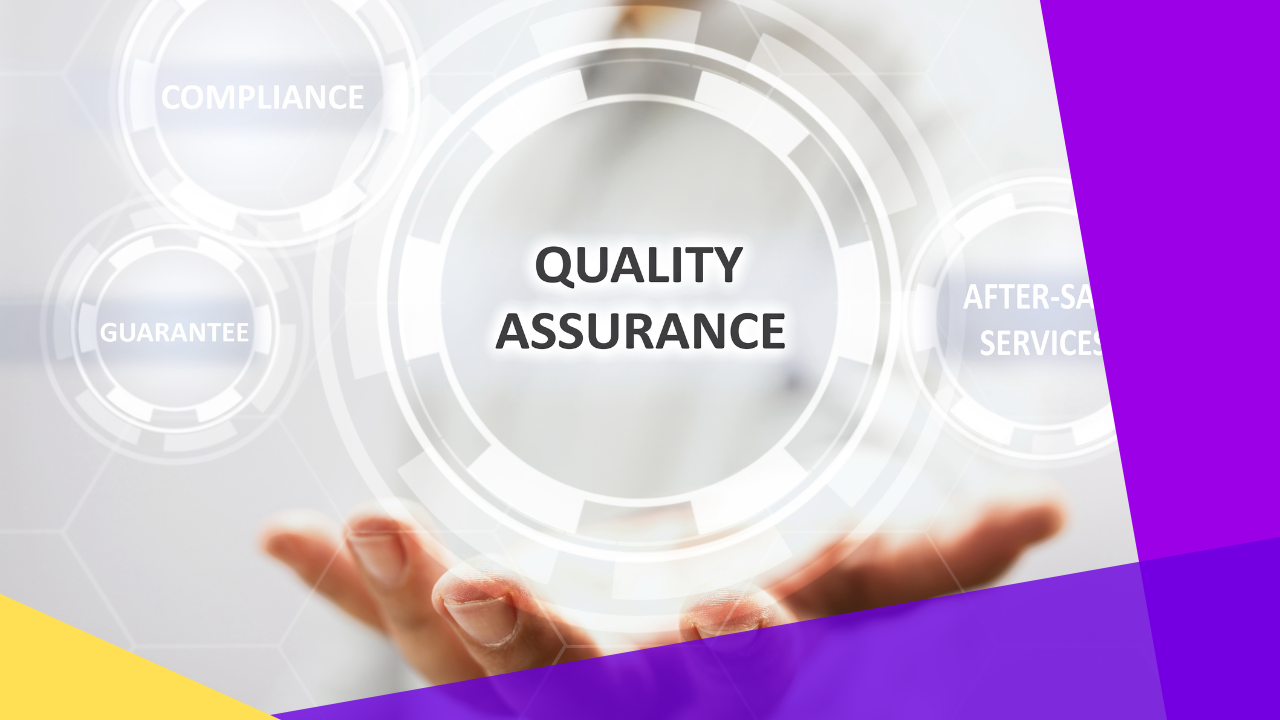
Quality assurance standards are documented policies and procedures. A company uses them to make sure its products and services meet customer and regulatory expectations.
Here is the quick answer before the detail below:
- Quality assurance standards define how an organization prevents defects and maintains consistent quality across its work.
- They differ from quality control. Quality control inspects and tests finished output, while quality assurance improves the underlying processes.
- Common frameworks include product, management, service, and process standards, with ISO among the best known.
In a competitive market, strong products and services matter. So companies need strict quality assurance standards. These standards help a business deliver strong output. They also keep quality consistent across the workforce. In addition, they show a commitment to steady improvement for customers.
Quality assurance (QA) matters for any business, organization, or manufacturer. A solid quality management system helps stop problems before they reach consumers. As a result, it also shapes production. For example, it reviews steps like stock management, packaging, and other daily tasks.
Defining quality assurance standards
Quality assurance standards are the policies and procedures an organization uses. They help make sure its products and services meet the quality standards of customers. As a result, management sets up these processes to judge how its goods or services perform.
Getting good at these standards also helps you refine your review process. In addition, it gets you closer to finding the right outsourced QA providers.
Quality control vs. quality assurance
Quality control and quality assurance are often confused. Still, knowing the difference strengthens your grasp of quality assurance standards.
Quality control is a measurement-based process. It checks a product or service to confirm that quality requirements are met. For example, it involves testing, measuring, inspecting, and analyzing how well a product meets customer needs.
On the other hand, quality assurance focuses on the processes that improve quality. As a result, its methods often include documentation and monitoring. In addition, it highlights a company’s strengths and weak spots.

Reasons to implement proper quality assurance standards
If you are setting up a new company, quality standards help a lot. For example, they let you build products that meet or beat customer expectations. In addition, they weed out errors. As a result, they allow smarter, more efficient designs over the long run. Here are the key benefits.
Safety
Companies that set safety and quality measures from the start can cut risks to consumers and employees. In addition, quality assurance standards help build consumer trust. This matters most for brands in new industries.
Compliance
Rules across many industries exist to protect consumers. For example, they can cover environmental safety and intellectual property. Because of this, meeting the specs is easier when standards guide the process.
Control
Standardization cuts costs and boosts efficiency. It streamlines the process and reduces errors and recalls. As a result, more control can speed time to market and help businesses grow.

4 types of quality assurance standards
No matter your industry, many quality assurance standards exist. Some rely on scientific measures, while others need more qualitative analysis. So the right method depends on your industry and what you offer.
1. Product standards
National and regional standards set minimum rules for where a product may be used. As a result, they give consumers better quality and stronger safety measures.
2. Management standards
Management standards help organizations run more holistically. They spell out how to reach goals or the best way to do tasks. For example, even with managed services from Booth and Partners, quality assurance standards come built into the service. This also applies to how well teams delegate work and outsource business processes.
3. Service standards
Service standards are minimum quality rules for service delivery. As a result, they give organizations a benchmark to judge performance. In addition, they assure delivery under set conditions.
4. Process standards
Process standards are the rules for processing a product and its parts. For example, they set the conditions for production, storage, packaging, and testing.
Examples of quality assurance standards
The best-known quality assurance standards come from the International Organization for Standardization. ISO standards help make sure products, services, and processes reach a high level of quality and safety. In addition, they give companies a shared framework to communicate and build common ground on quality control. Some examples include:
- ISO/IEC/IEEE software testing standards – These describe test processes at the organizational, management, and dynamic test levels. They set an internationally agreed standard that any organization can use for software testing.
- ISO 9001 quality management systems – ISO 9001 sets the rules for quality management systems. As a result, it guides organizations to provide products that meet customer and regulatory mandates.
Outsourcing quality assurance
Quality assurance standards are a key part of any business. For example, they frame how your company handles quality control and assurance. As a result, once you understand them, you can handle future problems better.
It also helps to have staff who work directly with customers. You can train them on what to deliver for high quality. In addition, consider hiring a quality assurance specialist. They keep control of your processes. Moreover, they can craft a tailored plan that keeps your standards high.
You can also trust this work to skilled outsourcing pros, like the specialists at Acquire Intelligence. As a result, your business can speed up deployment and reach skilled talent. Outsourcing offers a range of benefits that help you serve customers better.
Key takeaways
- Quality assurance standards are documented policies that keep products and services consistent and compliant.
- Quality assurance improves processes, while quality control inspects and tests finished output.
- The four main categories are product, management, service, and process standards.
- ISO standards, including ISO 9001, are the most widely recognized quality assurance frameworks.
- Outsourcing QA to specialists can speed deployment and strengthen consistency.
Frequently asked questions about quality assurance standards
What is the difference between quality assurance and quality control?
Quality assurance focuses on the processes that prevent defects. Quality control inspects, tests, and measures finished products to confirm they meet requirements. In short, QA is proactive and QC is reactive.
What are the main types of quality assurance standards?
The four main types are product, management, service, and process standards. For example, each covers a different part of how a product or service is designed, delivered, and maintained.
What is ISO 9001?
ISO 9001 is an international standard for quality management systems. It sets the rules organizations follow to provide products and services that meet customer and regulatory expectations.
Why are quality assurance standards important?
They improve safety, support regulatory compliance, and increase control over processes. As a result, they reduce errors and recalls, build consumer trust, and can speed up time to market.
Can quality assurance be outsourced?
Yes. Many companies outsource quality assurance to specialized providers. As a result, they speed deployment, add expert oversight, and keep standards consistent. Moreover, they avoid building a large in-house team.






 Independent





