
Top 10 product launch strategies for brand awareness


What are the best product launch strategies?
The best product launch strategies help you set clear goals, study the market, and pick the right channels so a new product reaches the right buyers.
- Plan early. A launch plan keeps your team focused on the target customer.
- Research first. Know your market, your rivals, and your budget before launch day.
- Test and support. Trial the product and back your team so the launch runs well.
List of product launch strategies
- Identify product launch goals
- Customer and market research
- Research the competition
- Create a marketing plan
- Choose the right marketing channels
- Host product launch events
- Know your target market
- Plan your budget
- Perform product testing
- Support the team
What are product launch strategies?
Product launch strategies are the steps a company takes to bring a new product or brand to market. A good launch lifts sales and income by growing your digital presence.
Without a launch plan, buyer interest often stays low. As a result, the goal to attract new customers gets harder to reach. The product may also send the wrong message, so the company can miss its sales and profit targets.
Importance of product launch strategies
Product launch strategies matter a lot to any team building a brand. First, they help you grab buyer attention at the right moment.
A strong marketing and sales team can win that attention through the launch. Buyers then see ads for the new product and for other items the firm offers.
A launch plan also helps a company line up all the tasks that lead to launch day. In addition, a smart plan can boost your reputation when the product meets what buyers want.
A good plan opens more ways to turn interested prospects into loyal customers. Because the brand gets more visible, the company can sell more and grow its revenue. As a result, ROI often climbs too. For teams that want fresh reach, a clear set of brand awareness tactics makes a real difference.
Top 10 product launch strategies
Most firms want to launch a brand as fast as they can. Because of this, a launch plan helps you keep focus on target customers.
Today the market is crowded. So a release without solid strategies carries bigger risks. Therefore, to avoid product failure, try the methods below.
1. Identify product launch goals
Clear launch goals help you think about your target market. They also set the base for your whole plan.
Include these questions when you set launch goals:
- What do you hope to gain from the launch?
- Will your business focus on sales?
- Will you focus on keeping customers?
So this step helps you make the goal specific, measurable, achievable, relevant, and time-based (SMART).
2. Customer and market research
Customer and market research helps you find the right buyers for a new release.
Through customer and market research, you can see who is most likely to try the product. Next, you learn the needs and wants of those buyers. As a result, brand awareness has a better chance to grow.
3. Research the competition
One key part of any launch is knowing your rival brands well.
Without this view, you may ship products that fall behind the competition. So study rival websites, pages, and social feeds, and note what works. A quick competitor analysis shows what makes their product win, and where it falls short.
Consider these product identity questions:
- What makes your product or brand unique?
- Why is it better?
- How will you compete with your rival’s product?
4. Create a marketing plan
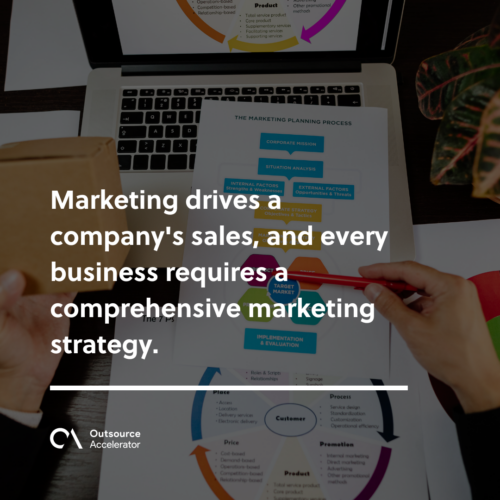
Marketing drives sales, so every business needs a full marketing plan. A plan sets out how to excite both current and new clients.
A strong plan lifts product awareness. It also keeps buyer interest alive across the product’s life cycle. For a wider view, a solid product development plan keeps the launch and the roadmap in step.
5. Choose the right marketing channels
Email, video, and social media are common ways to reach buyers. Still, how you use each one shapes how well the launch works. For example, the right digital marketing channels can put your message in front of the exact crowd you want.
6. Host product launch events
Launch events help build real product awareness. Buyers get to learn more about the new product. Meanwhile, sales staff can show its features, benefits, and price in person.
The audience can be both new prospects and current customers. So the event affects how many sales you make right away and in the months after.
7. Know your target market
Not everyone is a likely buyer. So you need to define your target market with care. In addition, how buyers see your brand shapes your whole plan.
Traits like age, income, or lifestyle can define a target market. Here are two quick examples:
- An action figure aimed at youths 10 to 16 years of age.
- Running shoes with recycled cushioned insoles, sold to eco-minded athletes aged 25 to 50.
8. Plan your budget
A common mistake is to underrate the funds needed for design, production, and marketing.
So plan your budget with care. Also, allow for any changes to the schedule that could affect what you spend.
9. Perform product testing
Product testing gathers feedback from buyers through a free trial.
Testing shows whether a product is ready. It can happen before and after launch, from the first idea to the finished product. For example, you can release the product to a small group as part of the test. Then you collect feedback and improve the product before a full launch.
10. Support the team
A new brand launch is a big job. So your marketing, sales, production, and support teams will need training for the new product.
However, even with great managers and marketers, problems can still come up. Because of this, strong team support during hard moments helps you launch well and keep the business running.
Finally, coaching your team is key to a good launch. The best way to help them is to give them the right tools. Many firms also outsource email marketing tasks so their core team can stay focused on the launch.
Frequently asked questions
How early should I start planning a product launch?
Start as early as you can, often three to six months out. Early planning gives you time for research, testing, and a clear budget. As a result, launch day feels calm instead of rushed.
What is the difference between a soft launch and a full launch?
A soft launch shares the product with a small group first. So you can gather feedback and fix issues. A full launch then rolls the product out to your whole market with ads and events.
How do I measure if a product launch was a success?
Track sales, sign-ups, and website traffic against the goals you set. Also watch customer feedback and repeat orders. Together these numbers show if the launch met its targets.
Can small businesses run a strong product launch on a tight budget?
Yes. Small firms can lean on low-cost channels like social media and email. For example, one focused campaign can reach the right buyers without a big spend.
Which teams should be involved in a product launch?
Bring in marketing, sales, production, and customer support. Each team plays a part before and after launch. So early training keeps everyone ready and aligned.






 Independent





