
18 cold calling best practices to achieve great results


Which cold calling best practices actually work?
The cold calling best practices that work today mix careful research, a natural script, and smart timing to turn cold leads into real conversations.
- Research each prospect first, so your opening feels personal and relevant.
- Use a light script as a guide, then listen more than you pitch.
- Call at the right time, track your numbers, and always confirm the next step.
Cold calling has been around for years. It started back when landline telephones were still the norm, long before smartphones.
Business owners and executives have long viewed cold calling as a way to grow. It helps them build a significant client base. Salespeople spend hours each day looking for new revenue and fresh contacts. The goal is simple: they want to expand the business.
However, old scripts rarely work anymore. Stick with outdated tactics and you will likely turn warm leads cold. So it helps to learn the newer methods instead. As a result, you improve your approach and lift your sales outcomes. Here are 18 up-to-date cold calling best practices you can use right now.
What is cold calling?
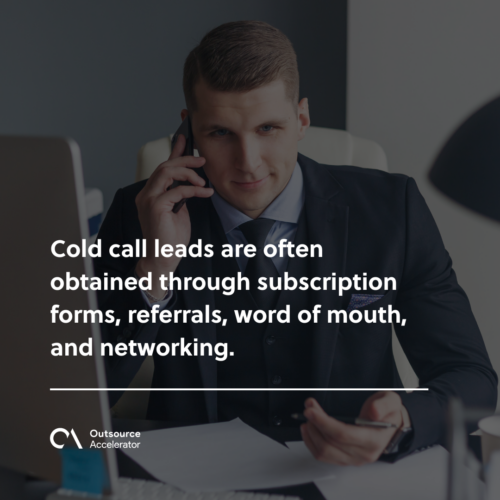
Cold calling is a sales method where a rep contacts people who have not asked to be reached. The aim is to sell a product or service. Leads often come from sign-up forms, referrals, word of mouth, and networking. Before the call, the person may or may not know your brand at all.
Cold calls can bring tough reactions. For example, you may face hang-ups, quick “no thanks” replies, or even rude words. Still, the best callers stay calm and keep going. With good planning and a clear approach, you can hold their attention. You can also guide them toward a yes.
Is cold calling still effective?
Yes, cold calling still works well as a sales and marketing tool. Many prospects now work hybrid schedules and answer their mobile phones. So they are often easy to reach during the day.
In one survey by Zippia, 82% of consumers agreed to a meeting after a cold call. Meanwhile, the average cold call success rate sits near 2%. Still, you can push that number higher. In fact, some teams reach up to 10.01%, based on their tactics.
Because of this, good habits matter. Use these cold calling best practices and reach the right decision-makers. As a result, you can grow your revenue faster. It also helps to source skilled callers through a firm like ConnectOS. For teams that scale, the right cold calling software makes each shift more productive too.
18 cold calling best practices
Cold calling can be hard. Yet it remains a key part of any strong marketing plan. So keep these cold calling best practices in mind as you build and run each outbound campaign.
1. Research your prospects
Research is the base of every strong cold call. It is one cold calling best practice that gives you an edge. First, gather useful facts about each potential client. People listen more when they feel valued. For example, you might open with: “Rainy morning, Ms. Stevans!” or “I heard it is 35 degrees today in your area. Stay hydrated and take care.”
Even a note about the weather shows real interest. In addition, good research helps you tailor your pitch to their needs. As a result, your call feels personal, not canned. If you sell to a business, look into the person’s role too. Find out what they do and whether you share any connections.
2. Adopt current trends
Trends shift each year, so staying current is a core cold calling best practice. Adopt the latest trends, new rules, and market shifts. Then link your product to what is happening now. This shows prospects that you adapt quickly.
For example, say you sell security software to a bank. First, read recent news about any breaches in that sector. Next, connect your offer to that risk. Finally, explain how you can protect their customer data.
3. Be script-ready
A script helps you organize your key points before each call. So a well-prepared script is vital for a strong first impression. It should include a clear intro and answers to likely objections. Aim to grab attention within the first 30 seconds.
Still, do not read it word for word. Instead, use it as a guide so you sound natural. Also add a shared interest to your opening line to spark a real chat. As a result, you stay professional and ready for whatever comes up.
4. Calculate your cold calls quota
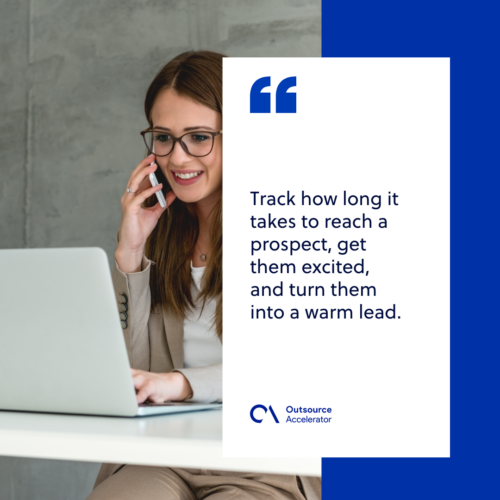
Know your cold call quota. Track your calls by hour, day, week, or month with a calendar. Also note how long it takes to reach a prospect and warm them up. The faster you make outbound calls, the more you can fit into a shift. So you hit your quota with room to spare.
5. Use a local number
This is another key tip to keep on your list. Prospects often ignore unknown numbers with far-off area codes. In fact, many treat them as spam. So a local number lifts your pickup rate. As a result, more people answer your call.
6. Practice and role-play cold calling
Role-play with coworkers, family, or friends to sharpen your skills. This is one of the most useful cold calling best practices for new reps. First, run a few mock calls after you rehearse your script. Then ask for honest feedback on your delivery. Finally, bring what you learn into your real calls. Remember, cold calling is about real connections, not just a quick sale.
7. Contact the right audience
Make sure you have the correct contact before you dial. Many firms have one person or team who handles purchases. So ask for that person by name to reach their direct line. For example: “Hi, my name is Jin from OA BPO firm. Am I speaking with Mr. Blake Marquez from AnyCompany? I am calling about the products his team ordered.”
8. Don’t pitch too early
These tips aim to sharpen your sales pitch. Still, push too soon and prospects may hang up before you finish. Instead, build rapport first. Next, find a problem your product can solve. Then, once you reach that point, share your pitch. Strong appointment setting often starts with this patient, needs-first approach.
9. Call at the right time
Make your calls at the optimal hours and days for your audience. Research when your leads are free or relaxed. For example, you may find that many answer more often in the morning. So plan your call blocks around those windows.
10. Keep your prospects on the phone as long as possible
This tip can save you from an early hang-up. When cold calling, you have about ten seconds to show value. So lead with your best point. Wait too long, and they may drop off in the first few seconds.
11. Make conversations personable
You want the sale, but your call should still feel helpful and warm. Remember, your prospect may be with family, at work, or on a lunch break. So ask about something that sparks interest. For example: “I see you went to Zavier’s Integrated School, and my best friend went there too. What did you study?”
This shows them the chat is worth their time. Keep the tone easy and friendly. Any way you can establish a personal connection will enrich the call. As a result, your odds of closing go up.
12. Use trigger events
This is a common tip, yet it works every time. Use it when your prospect faces a big change, like a new role or product launch. Then show how your offer can help them through it. For example:
“Hello, James! I am calling from Outsource Accelerator, an outsourcing and lead generation firm. I am glad to hear you are now with AnyCompany. I am calling to share our training programs and free webinars for new hires.”
13. Ask open-ended questions
Avoid questions that a prospect can answer with yes or no. Those tend to end the call fast. For example, instead of this:
“Do you have time today to hear about our offerings?”
Try this:
“How do you feel about learning what our new products can do for you?”
14. Be specific
An early pitch can turn off a lead. So can a vague one. So be clear and direct about how your product helps them. As a result, prospects grasp the value right away.

15. Ask for referrals
When you close a sale or win a sign-up, ask your lead for a referral. This can bring you fresh prospects fast. For example: “Your BoostIT subscription should arrive next week. In addition, we take $10 off your monthly plan for each person you refer. Who else might benefit from our tools?” Referrals also feed your lead generation tools with warmer contacts.
16. Learn from rejection
Rejection is part of the job, so treat it as a lesson. Mix practice, planning, and these tips to build your confidence. As a result, your overall sales improve over time.
17. End cold calls by confirming the next step
If the person says they are busy, suggest another way to talk. Do not give up on missed or rejected calls. For example, log a follow-up task in your CRM. You can also leave a voicemail or send a short email, then reschedule. A clear next step is one of the simplest sales closing techniques you can use.
18. Use cold calling automation
Still dialing every number by hand? Then it is time to automate your operations. AI and automation save time and energy on cold calls. They can also handle these tasks for you:
- Prospecting
- Checking contact information
- Scheduling calls
- Sending follow-up emails
- Updating your CRM
Overall, cold calling helps you reach more people and build real ties. So focus on your goals, set fair targets, and use these cold calling best practices. As a result, you can generate quality leads with far less friction.
Frequently asked questions about cold calling best practices
What is the best time to make cold calls?
Mid-morning and late afternoon tend to work best for most audiences. Still, the ideal window depends on your leads. So test different times, track your results, and adjust as you learn.
How long should a cold call last?
You have about ten seconds to show value at the start. After that, keep the prospect engaged as long as the talk stays useful. However, do not drag it out once interest fades.
Do I need a script for cold calling?
Yes, a script keeps you organized and ready for objections. Still, use it as a guide, not a word-for-word read. As a result, you sound natural and confident.
Is cold calling still worth it in 2026?
Yes, cold calling still drives real results. Many buyers answer their mobile phones during hybrid workdays. So a smart, well-timed call can open doors that email cannot.
How can I improve my cold call success rate?
First, research each prospect and personalize your opening. Next, call at the right time and ask open-ended questions. Finally, confirm a clear next step on every call.
Key takeaways
- Cold calling still works, and good habits push your success rate well above the 2% average.
- Research, timing, and a natural script matter more than a hard, early pitch.
- Ask open-ended questions and build rapport before you sell.
- Always confirm the next step, even after a missed or rejected call.
- Use automation and skilled partners to scale your outbound calling.






 Independent





