
7 incredible benefits of CRM

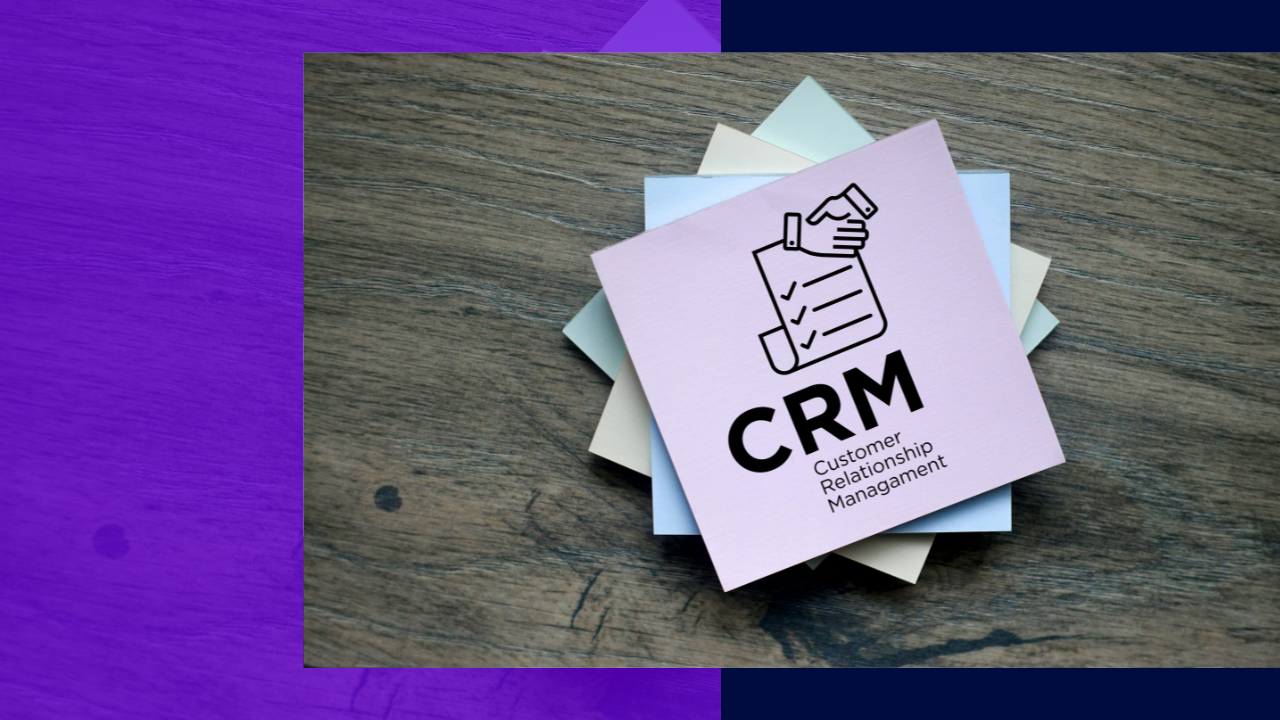
What are the main benefits of CRM?
The main CRM benefits are clearer customer insight, better retention, faster service, and higher team efficiency, all from one shared view of your data.
- CRM turns scattered customer data into clear, usable reports.
- It helps teams respond faster and keep more customers happy.
- It cuts manual errors and frees your staff for higher-value work.
Businesses today sit on gold mines of customer data. CRM benefits start when you put that data to work. Customer relationship management (CRM) helps you measure and improve the customer experience. Big brands like Apple and Amazon use it to build stronger customer ties.
So no matter your size or industry, a CRM tool can drive sales and marketing results. In short, a clear grasp of CRM benefits shows you the opportunities ahead.
What is CRM?
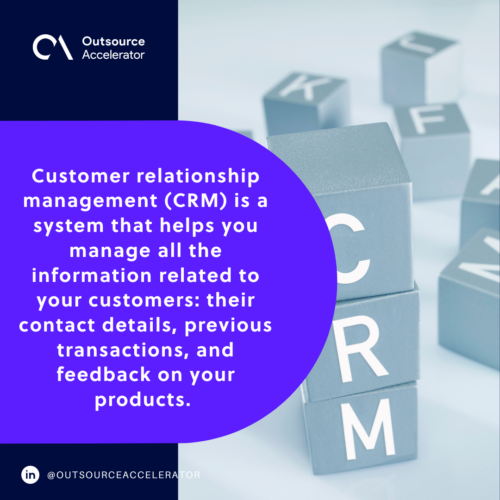
Customer relationship management (CRM) is a system that helps you manage all your customer information. This includes their contact details, past transactions, and product feedback.
CRM can be a software program or a website. You use it to enter customer data and create reports on how people interact with your business.
CRM can also boost sales, marketing, and customer service. When done right, it has a positive effect on your business. As a result, you manage customer relationships far better.
3 types of CRM
Every company wants to share the right information with the right person at the right time. However, the digital world keeps changing fast. Because of this, keeping up can take real time and effort.
So using the right type of CRM matters. It helps you get the right support to meet your goals. Many teams also pair CRM with the best SaaS CRM software for their needs.
1. Operational CRM
An operational CRM brings your service, marketing, and sales into one place. It centralizes data on customers, leads, and staff. To do this, it uses automation and smart data management.
As a result, it streamlines daily work. It also makes it easier to create personal experiences for each customer.
2. Analytical CRM
Analytical CRM uses data to improve the customer experience. It turns raw customer data into clear trends and useful insights. Your team can then act on them.
This data can range from customer preferences to sales forecasts. So an analytical CRM supports quick, customer-focused choices across the whole journey.
3. Collaborative CRM
A collaborative CRM helps teams capture and share customer data. As a result, every department works from the same knowledge base.
These systems are built for a strategic view of customer relationships. They sit on top of operational platforms, but they focus on service, not just sales and marketing. So the result is one complete system. For example, it helps deliver a great experience online, on the phone, and in person.
Centralizing customer data offers many CRM benefits. Its value varies by industry and team. For example, some teams gain from better marketing analysis, while others gain from automated lead generation. In short, CRM is a flexible strategy that improves many parts of an operation.
7 CRM benefits
Here are some of the key CRM benefits.
1. Comprehensive customer insight
Numbers alone will not optimize your business. Context matters too.
CRM software has built-in analytics to add that context. As a result, it helps you make sense of what your customers are telling you. A well-kept customer database also gives a deeper look into new trends and areas to improve.
2. Improved customer retention
A good CRM strategy uses data to deliver personal content that connects with your audience. This helps improve satisfaction. As a result, you get better conversion and more engaged customers, which lifts retention.
When customers feel they got what they paid for, they stay loyal. So they come back and often become repeat buyers. To see the payoff, review the latest customer retention statistics.
3. Faster response
Faster problem solving is one of the biggest CRM benefits. Because data sits in one place, your team can respond to needs quickly. So issues get fixed before they turn into big problems.
As a result, customers are happier because you address their needs fast. They keep coming back, and they may spread good word of mouth too.
4. Better segmentation
Segmentation shows you who your customers are. So you can deliver more targeted offers. You can use basic demographic data to spot pain points and act on them right away.
To do this, you sort customers into clear groups. CRM systems help here. As a result, you craft relevant messages and win more loyal customers.
5. Better collaboration
Cross-team friction is common in daily work. This is true for sales, service, and marketing teams.
Collaborative CRMs help these teams talk better. They support real-time updates and easy channel management. As a result, teams share information more freely and analyze customer data with less hassle.
6. Fewer errors
IBM found that the global average cost of a data breach was $4.44 million in 2025. Small errors can have a big impact on how you do business.
However, CRM cuts manual data entry. For example, you can capture leads through emails or web forms. You can also import leads from other systems straight into your CRM. As a result, it helps reduce the human errors that are so hard to prevent.
7. Greater efficiency
A CRM keeps your team organized and on track. It can automate parts of your sales process, like contact management and follow-ups. So it is simpler for everyone to stay in touch and coordinate work.
By handling routine tasks, a CRM frees your team to focus on core work. In short, one of the greatest CRM benefits is time saved for busy departments. Better customer service skills then have room to shine.
Best CRM software to check out
The right CRM helps you personalize each interaction and build loyalty. Below are top systems known for strong features and integrations. They serve businesses across many industries. Learn more about them to bring CRM benefits to your business.
HubSpot
HubSpot is an integrated CRM that helps companies make more sales and leads. It does this by growing their brand and reaching more customers.
Salesforce
Salesforce is cloud-based software for customer relationship management. It also covers sales, service, marketing automation, analytics, and app development. For example, industry leaders like AT&T, Coca-Cola, Cisco Systems, and Netflix use it.
Itransition is a certified Salesforce professional services provider. It offers tailored solutions for many industries. As a result, businesses can use Salesforce fully and reach long-term success.
Zoho
Zoho is a web-based business tool with custom solutions and dedicated programs. More than 250,000 businesses around the world trust it. So it ranks among the most used SaaS productivity suites today.
EngageBay
EngageBay is an all-in-one, low-budget CRM platform. It helps businesses manage customer interactions, marketing, and sales in one place.
It offers lead capture, contact management, deal tracking, email marketing, and reporting. It also links with eCommerce tools like Shopify and BigCommerce for marketing automation.
Quickbase
Quickbase is a company that provides custom, low-code app development platforms. Its flexible design helps businesses align the tool with their goals. As a result, it scales well as needs grow.
Sage
Sage CRM provides complete customer relationship management systems for many business needs. It also lifts productivity with features like quote creation and reporting.
Bitrix24
Bitrix24 is a free, all-in-one business platform for managing your team and sales. For CRM, it offers sales intelligence, quotes, invoices, and online payments. So companies can tap its suite of collaboration and management tools.
Insightly
Insightly is a leading cloud-based CRM. It helps businesses build relationships and automate processes. Its integrations cover DevOps, support, sales, marketing, and HR.
Hitting business objectives with CRM
A clear CRM strategy supports upselling, cross-selling, and relationship nurturing. CRM software also helps you beat challenges like slow, manual sales data entry. Strong customer experience optimization builds on the same data.
There is no denying the CRM benefits and their role in business success. The seven benefits above are just the start of what CRM can offer. With the right setup, a CRM helps your sales team work smarter and win more, which leads to happier customers.
Frequently asked questions about CRM benefits
What is the biggest benefit of CRM?
The biggest CRM benefit is one clear view of every customer. So your teams make faster, better choices and give a smoother experience.
Do small businesses need a CRM?
Yes. A CRM helps small firms stay organized and follow up on leads. It also scales as you grow, so you avoid switching tools later.
How does CRM improve customer retention?
CRM stores each customer’s history and preferences in one place. As a result, you send relevant offers and quick support. This keeps more customers loyal over time.
Which CRM software is best?
The best CRM depends on your size, budget, and goals. For example, HubSpot and Zoho suit smaller teams, while Salesforce fits larger ones.
Is CRM only for sales teams?
No. Marketing, service, and support teams all use CRM data. So the whole company works from the same customer records.
Key takeaways
- CRM benefits center on one shared view of your customer data.
- The main gains are better insight, retention, faster service, and fewer errors.
- Operational, analytical, and collaborative CRMs each fit different goals.
- Top tools include HubSpot, Salesforce, Zoho, and Bitrix24.
- A clear CRM strategy turns these benefits into real business results.






 Independent





