
Maximize your marketing with campaign optimization


What is campaign optimization?
Campaign optimization is the ongoing process of adjusting your ads and marketing to improve their results.
- It uses data from past campaigns to make your future ones perform better.
- It focuses on real conversions, not just clicks or impressions.
- It helps you balance cost, reach the right people, and lift your return.
The digital marketing scene changes fast. New platforms rise and fall every day, and users get picky about what they see. So to stay competitive, you need steady campaign optimization. In short, it keeps your ads working hard for your budget.
What is campaign optimization?
Campaign optimization adjusts your ad and marketing campaigns to make them work better. A new campaign feels exciting, especially after you invest a lot in it. Still, a smart business steps back to see what truly works.
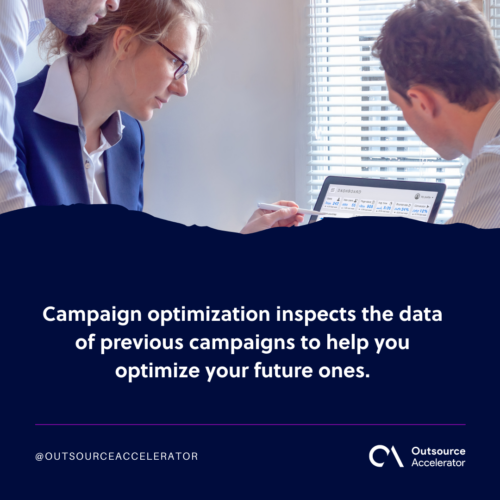
Campaign optimization studies data from past campaigns to guide your next ones. As a result, it helps most when you build new ads. For example, you can test different mixes of text, images, and calls to action. Once an ad works, it becomes a template for your other products and services.
How does campaign optimization work?
Campaign optimization works by changing one or more parts of an existing ad. So you can adjust targeting, budget, bids, and match types. The trick is to find the mix that fits your business best. Also, remember that it works best when you aim for conversions, not just clicks. To go deeper on measurement, review the main digital marketing KPIs first.
When to optimize your campaign
Optimize your campaigns when you notice these signs:
- Low click-through rates (CTR) or low conversion rates
- High cost per action (CPA)
- Low effective cost per action (eCPA)
You can also step in if a campaign runs for a few weeks but falls short. There are multiple reasons why campaigns fail. So weigh each factor with care. Sometimes you run several similar campaigns at once. In that case, note what works and repeat it.
Basic elements of campaign optimization
Campaign optimization uses many metrics. Here are the main ones to track.
Return on ad spend (ROAS)
You find ROAS by dividing total ad revenue by the money spent to run the ad. Like ROI, it shows your profit after costs. So aim for a positive ROAS. A negative ROAS means you are losing money.
Conversion rate
The conversion rate is the share of visitors who take a set action on your site. For example, that could be a download, a purchase, or a filled-in form. For any business built on its website, the conversion rate is one of the most vital metrics.
Campaign optimization also lifts the conversion rate by turning more visitors into action-takers. In addition, this metric applies beyond e-commerce. It also fits lead generation, subscriptions, and donation sites.
Cost-per-click
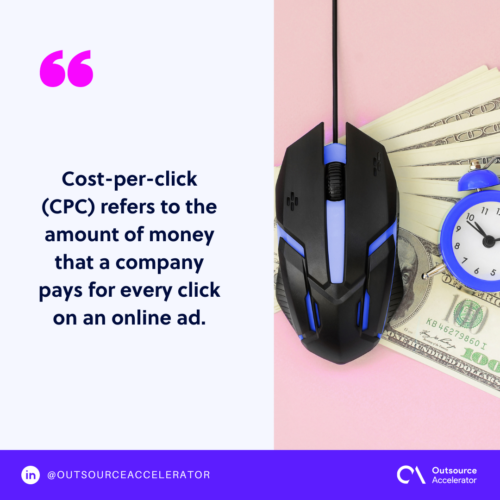
Cost-per-click (CPC) is the amount you pay for each click on an online ad. It shows a campaign’s value by comparing that cost to the clicks you get. As a result, you do not lose money when clicks fail to convert. Related to CPC are impressions, where you pay for your ad to appear. Impressions cost less than clicks, since there is no promise of a click.
Campaign optimization best practices
Here are some campaign optimization best practices to get the most from your ads.
Optimize your landing page
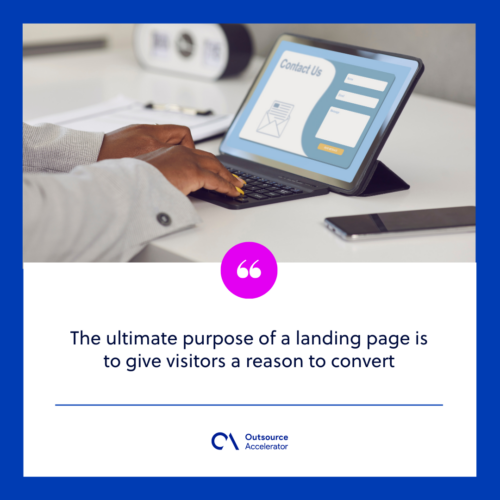
A landing page exists to give visitors a reason to convert. Well-designed, search-relevant pages turn prospects into customers. So as part of campaign optimization, review your landing page in these ways:
- Check the design, and make sure all images, text, and graphics work.
- Test the page on different browsers and devices, especially mobile ones.
- Check every call to action, so it leads users to the right place.
Test ad designs and ad copy
You can test different combinations of designs, headlines, and images to see which wins. For copy, you can also test price points and calls to action. To do this, create several versions of your ads. Then run them at once for a short time, like a week. A good tip is to change just one element, such as the image. That way, you can spot which change works.
Target the right audience
The right audience is key to campaign optimization. Remember, your audience is not one group. Instead, it is many groups with different needs and interests. So you may want a separate campaign for each segment. It also helps to pick the right digital marketing channels for each one.
Adjust your bid
A bid is the price you pay to show your ad. The higher the bid, the more visible your ad. So feel free to adjust it during optimization, especially if you pay too much for low reach. In addition, adjust bids by device and location. As a result, you only pay for what you need. For paid campaigns at scale, a solid paid media strategy keeps spend under control.
Perform A/B tests on creatives
A/B testing compares two creative variants to see which performs better. That could be an image, a landing page, a video, or a whole site. The more data you gather, the better you optimize. In addition, A/B testing gives you real feedback from users. So run it every few weeks to get enough data without tiring your audience.
Why is campaign optimization important?
Campaign optimization can help your business in clear ways. For example, it helps you:
- Find the right balance between cost and performance.
- Refine your targeting and reach new audiences.
- Gather insights and store data on what works.
These gains stretch across every channel. So the same habits improve your email marketing strategies too. If ad management feels like too much, you can also explore PPC outsourcing to hand the work to experts.
To ensure the success of your marketing campaigns, hire top-tier marketing experts through Boomering. Book your consultation and start maximizing your potential today!
Frequently asked questions
What does campaign optimization mean?
It means adjusting your ads and marketing to get better results. You use past data to guide each change. As a result, your campaigns improve over time.
When should I start optimizing a campaign?
Start once you see weak results, such as low clicks or high costs. You can also act after a few weeks of soft performance. So watch your metrics closely from day one.
Which metrics matter most in campaign optimization?
ROAS, conversion rate, and cost-per-click top the list. Together, they show your cost, your value, and your return. So track all three for a full view.
How often should I run A/B tests?
Run them every few weeks in most cases. This gives you enough data to act on. At the same time, it avoids tiring your audience with too many changes.
Can I optimize campaigns on a small budget?
Yes. Start by testing one element at a time. Then focus spend on what converts. As a result, even a small budget can improve step by step.






 Independent





