
Why some employees would rather quit than give up remote work

Why do employees value remote work so much?
Many employees value remote work because it gives them better balance, more focus, and real savings, so much that some would rather quit than return to the office full-time.
- Remote work improves work-life balance and daily well-being.
- It often lifts focus and productivity for many roles.
- It saves both workers and companies real money.
The shift to remote work reshaped how modern work gets done. Thanks to its efficiency, many businesses kept running even when offices closed. Because of this, not everyone wants to go back to the old way. In fact, some employees now choose to quit rather than return to a desk. Their reasons, as it turns out, are strong ones.
Remote work definition
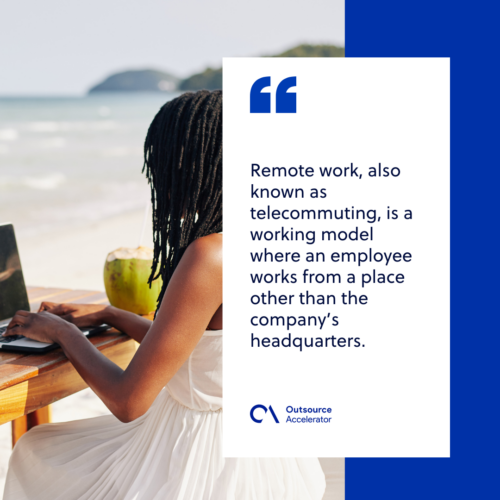
Remote work, also known as telecommuting, is a model where an employee works away from the company office. So professionals get the choice to work outside a traditional setting.
There are many remote setups across every industry. For example, it can be temporary or permanent, part-time or full-time, and occasional or constant.
Hiring remote staff, rather than in-house employees, opens access to a wide talent pool around the world. On top of that, it helps leaders cut operating costs without lowering the quality of work.
The impact of the pandemic on remote working
Remote working is not a new idea in business. However, it took off during the COVID-19 pandemic, when companies moved work into employees’ homes almost overnight. In short, that period proved the model could work at scale.
Since then, remote work has settled in as a lasting option. Still, many employers find it hard to pull their teams back to the office full-time. For some workers, flexibility now matters as much as pay.
FlexJobs‘ survey found that 58% of remote employees are ready to find new jobs if their company ends remote work. The perks of work-from-home (WFH) setups are so strong that some people pick them over a raise.
This model has become an edge for companies over rivals who insist on on-site work. As a result, many organizations now accept that much of their workforce will stay virtual. A PwC survey of nearly 700 CEOs found that most business leaders, about 78%, welcomed the shift and expected remote collaboration to stay. If you want the wider picture, these work-from-home statistics show how far the trend has grown.
Reasons why employees prefer working remotely
There are several reasons people like working remotely over a daily commute. Beyond health and safety, remote workers often feel more productive and more content. Here is a look at a few other reasons remote work stays popular today.
Improved work-life balance
Time at home has helped many employees explore hobbies again. These activities give remote workers an outlet that eases stress and pressure.
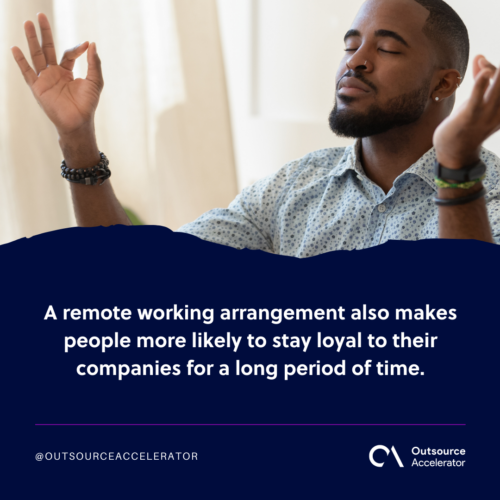
In the Philippines, for example, remote work means no daily fight through traffic. So employees save valuable time. In turn, they feel more at peace and more grateful for their working conditions. A remote setup also makes people more likely to stay loyal to their company for years.
These breaks improve the work-life balance of WFH staff compared with office-based peers. Because they feel relaxed, they are happier, healthier, and more engaged during work hours. Many also find that remote roles help bust common myths about remote work, like the idea that home workers slack off.
Increased productivity
Remote workers can filter out distractions where they work. Because of this, they focus better, and their productivity tends to rise. The right remote working equipment helps them stay on task, too.
On top of that, working from home can shift an employee’s mindset. They feel driven to do their best and protect the setup they have come to value.
Flexibility
Generally, most people find real flexibility in remote work. Working from home lets them take mindful breaks as needed. This is unlike the rigid schedule of a typical office. So telecommuting gives workers a way to balance work, family, and well-being. Outside work hours, they can tend to the things that matter most.
Cost savings
To begin with, working from home helps employees save on transport and food. Since they work from home, they skip the extra costs of a normal office day.
Remote staff are also good for a company’s budget. When operations run remotely, businesses save on rent, electricity, and office gear, among other costs. Those savings add up fast across a whole team.
Remote work is now a settled part of how many teams run. As the model matures, the appeal of flexible work keeps staff motivated to do their jobs well. For some, it even shapes which remote work jobs they choose next.
Introducing Remote Staff
Working with a dedicated remote team is easier and healthier these days. If you want to make the switch but do not know where to start, an outsourcing partner can help.
For example, Remote Staff has provided entrepreneurs with remote employees since 2007. The firm matches businesses with skilled professionals from the Philippines to support daily operations.
Its proven recruitment method finds remote workers with the traits to succeed on their own. So you get a dedicated team that helps your business thrive in the global market.
Visit Remote Staff’s website now and let them help you build your remote team.
Frequently asked questions
What is remote work?
Remote work, or telecommuting, lets an employee work away from the company office. It can be part-time or full-time and short-term or permanent. Workers often do it from home or a shared workspace.
Why do employees prefer remote work?
They value better balance, more focus, and daily savings. Many also skip long commutes, which lowers stress. For some, this flexibility matters as much as salary.
Does remote work really boost productivity?
It often does for focused, task-based roles. Workers can cut office distractions and set up a space that suits them. Clear goals and good tools help keep output high.
How does remote work save companies money?
Businesses spend less on rent, power, and office equipment. They can also hire from a wider, more affordable talent pool. These savings grow as more of the team works remotely.
Is remote work here to stay?
Most signs point to yes, often in a hybrid form. Many leaders expect remote collaboration to remain a core part of work. Surveys show both employees and executives still back the model.






 Independent






