
The role of an EHS specialist in ensuring workplace safety


What does an EHS specialist do?
An EHS specialist keeps a workplace safe by spotting hazards, writing safety policies, and making sure the company follows health and environmental rules.
- They find risks and cut the chance of injury or illness.
- They build policies, run inspections, and train staff.
- They help firms meet local, state, and federal rules.
Many firms now offer remote work. Still, coming into the office feels different. So the space must stay safe and easy to use.
Of course, the office should be a safe and productive place to work. That is where the EHS specialist comes in. In short, these guardians of safety help staff work well and stay well.
Defining EHS
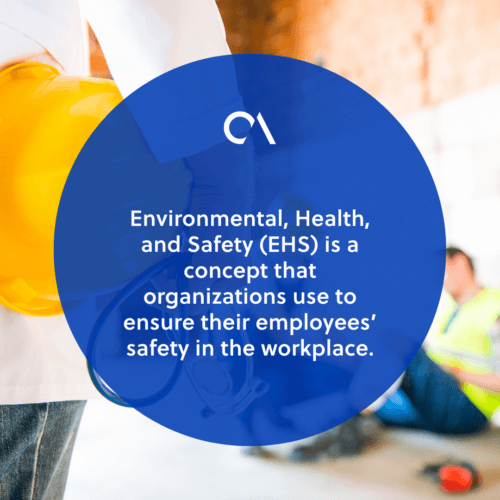
EHS stands for Environmental, Health, and Safety. Firms use this concept to protect staff at work. It also manages the risks that come with a business.
In practice, EHS blends three areas. These are occupational health, safety management, and environmental care.
The main goal is simple. It is to build a safe space where staff can work without risk of injury.
What is an EHS specialist?
An EHS specialist is trained to spot hazards at work. Then they find ways to cut the risk of illness or injury.
They hold special skills in health, safety, and environmental matters. In addition, a big part of the role is policy work. So they write rules that protect staff in the physical workplace.
An EHS specialist may go by other titles too. For example:
- Safety officer
- Environmental manager
- Occupational health and safety professional
- Industrial hygienist
Duties and responsibilities of an EHS specialist
The duties of an EHS specialist depend on the firm. So the size and nature of the company both matter.
In general, the role includes these tasks:
- Build and roll out health and safety policies for the firm
- Spot and fix hazards in the workplace
- Create a risk management framework
- Make sure the firm meets local, state, and federal rules
- Plan emergency responses for on-site accidents or incidents
- Run routine inspections to keep the site within safe limits
- Train staff on how to meet safety rules
- Manage safety programs to prevent accidents, injuries, or illness
- Check that all needed equipment works well
- Analyze data on injuries, illness, or exposure at work
- Investigate any complaints about staff health or safety
Key skills of an EHS specialist
The EHS specialist is the point person for safety issues. So the role needs a clear set of skills.
Safety and health knowledge
An EHS specialist must know safety and health rules. In addition, they must apply those rules to the work setting.
They also need to link hazards to their effect on staff health. So risk management skills help when incidents occur.
Technical skills
EHS specialists need some technical skills too. For example, they cover electrical and mechanical systems, fire protection, and security systems. Part of the job is to watch what works and flag faulty machines.
They also use these skills for office tasks. As a result, their work supports wider business goals.
Communication and interpersonal skills
An EHS specialist needs strong communication skills. So they can talk with staff about safety in a clear way. For example, they explain complex issues and share findings and tips. They also note any concerns and complaints.
They deal with senior leaders too. So good people skills are a must. Strong workplace collaboration helps them win buy-in for safety plans.
Analytical and critical thinking
The ability to read data is key for this role. So an EHS specialist must make sense of numbers. This skill helps them spot trends and improve work conditions.
They must also think through tricky situations. Then they tailor policies to the industry and firm. In addition, they judge new tech and use data to test its safety.

How an EHS specialist can benefit your workplace
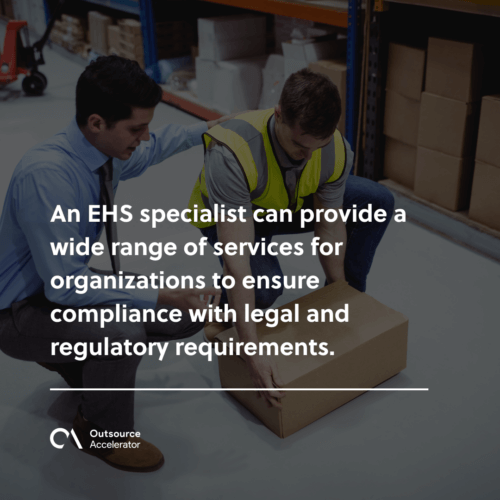
An EHS specialist offers a wide range of services. For example, they help firms meet legal and regulatory rules. Aside from inspections, they also run audits, build programs, and write reports. They also guide teams on common compliance risks.
It matters more than ever to keep staff safe. In short, this is not just about liability. It is also about productivity. So the right EHS specialist makes work safer and more pleasant for all. Safer, calmer staff also lift workplace productivity across teams.
By working with an EHS specialist, you get these benefits:
- A fresh approach to health, safety, and environmental care that tracks new laws
- A chance to improve your risk processes, assessments, and emergency plans
- A clear view of gaps in your controls, plus fixes to close them
- A stronger training program for health, safety, and environmental issues
Challenges and future trends in EHS
Safety has always mattered at work. In recent years, new trends have risen fast. Many focus on tech that redefines a safe workplace.
So the EHS specialist must adapt to these trends. In short, they keep staff safe as the world evolves.
A few of these EHS trends include the following:
Ergonomics
Ergonomics studies how people fit their tools and spaces. It also weighs psychology in design. So it sits at the core of EHS. An EHS specialist should track new ergonomics research. Then they can suggest better safety strategies, such as an ergonomic desk setup for remote staff.
Mental health focus
Mental health gets more attention now. So it is worth flagging any workplace hazards that could harm it.
An EHS specialist looks at safety from all angles. In the future, that may include mental health more often. As a result, firms build a healthier work culture. Many pair this with employee wellness programs to support staff.
Robotics and AI
Artificial intelligence is now entering the EHS field. This should come as no surprise. For example, robots can lift efficiency and cut risk. Meanwhile, AI adds value with predictive analytics, monitoring, and automation.
FAQ about the EHS specialist role
What qualifications does an EHS specialist need?
Most roles ask for a degree in a safety or science field. In addition, many firms value safety certifications. Strong data and communication skills also help a lot.
What is the difference between EHS and safety officer?
The titles often overlap. Still, an EHS specialist covers environment, health, and safety together. A safety officer usually focuses on physical safety alone.
Which industries hire EHS specialists?
Many industries hire them. For example, manufacturing, construction, energy, and logistics all need the role. Offices and tech firms also hire them for staff wellbeing.
Why is an EHS specialist important?
They keep staff safe and the firm compliant. As a result, they cut injuries, fines, and downtime. So they protect both people and profits.
How is technology changing the EHS role?
Tech now supports much of the work. For example, AI predicts risks, and sensors track conditions. So EHS specialists can act before an incident occurs.
Key takeaways
- An EHS specialist spots hazards and protects staff at work.
- Core duties include policies, inspections, training, and compliance.
- Key skills span safety knowledge, tech, communication, and data.
- The role boosts safety, morale, and productivity at once.
- Ergonomics, mental health, and AI are shaping the field’s future.






 Independent





