
Ergonomic desk setup: Why is it a must for remote workers?

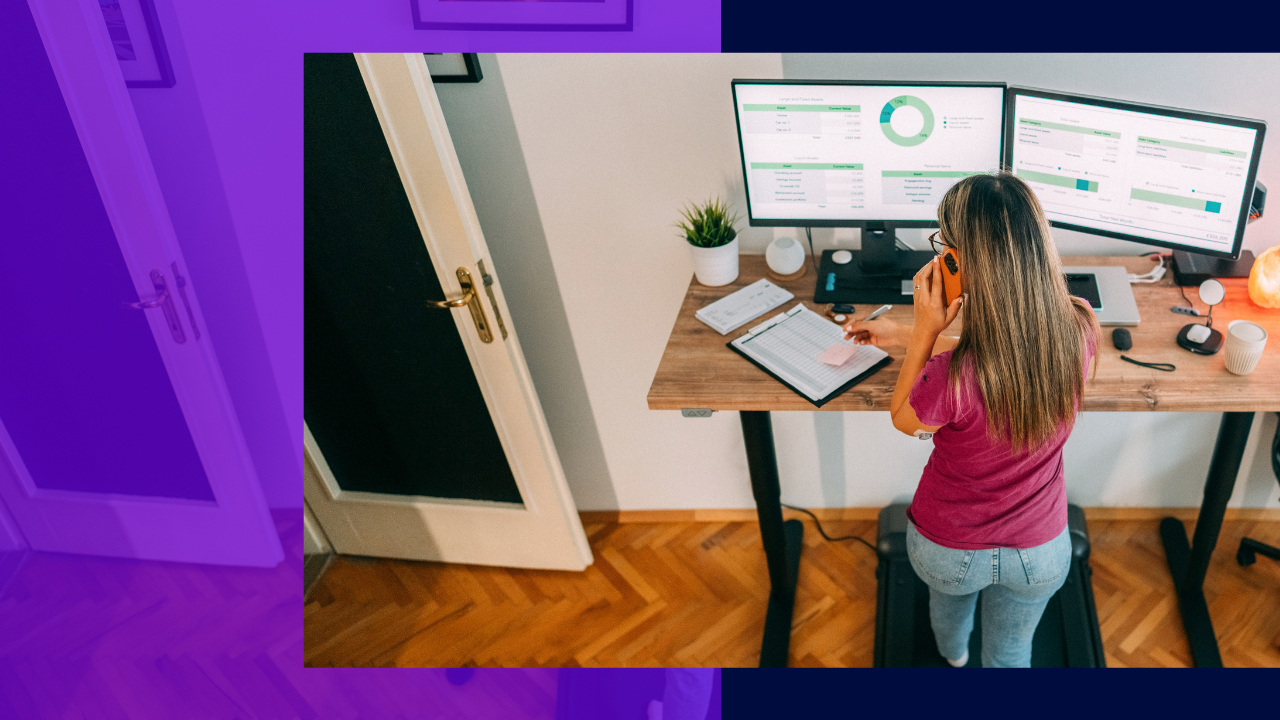
More people now work from home, so an ergonomic desk setup matters more than ever. The way you set up your home workstation affects your posture and health. For remote workers, a good desk is key to both health and output.
This guide covers what an ergonomic desk setup is, its main parts, and its perks. So let’s look at how to build a comfortable workspace.
Why is an ergonomic desk setup a must for remote workers?
An ergonomic desk setup keeps your body aligned, cuts strain and injury risk, and helps you stay comfortable and productive through long work hours.
In short, here is why it matters:
- It supports good posture and eases back, neck, and wrist strain.
- It lifts focus and output over long sessions.
- It protects your long-term health while you work from home.
What is an ergonomic desk setup?
An ergonomic desk setup makes work easier and more comfortable. As a result, it lowers the risk of muscle and bone injuries. In practice, you arrange the desk, chair, computer, and tools to support good posture and easy movement.
Ergonomic desk setup guidelines
First, check your workspace. Look at your desk, chair, and monitor. Then set them up to support a comfy posture. Also adjust the monitor, keyboard, and mouse to avoid strain and back pain.
So follow these steps to keep your desk setup ergonomic:
- Set your chair height so your feet stay flat and your knees bend at 90 degrees.
- Place your monitor at eye level, about 20 inches from your face.
- Adjust the keyboard height to keep your wrists straight and forearms level.
- Keep your mouse close to the keyboard to avoid arm or shoulder strain.
- Use a document holder to cut neck and eye movement if needed.
- Place the desk lamp to stop shadows or glare on your work area.
Key components of an ergonomic desk setup
A cozy desk in your home office is important. So consider the following parts.
Ergonomic chair
An ergonomic chair is the base of a good desk. It should feel comfy and support your lower back. So it helps prevent fatigue.
A good chair should adjust for seat height, backrest angle, armrests, and swivel. As a result, it keeps your posture right and aids healthy blood flow. Pairing it with the right remote working equipment makes a big difference.
Adjustable height desk
A height-adjustable desk helps you find the best position. So you can stand or sit as you like, which cuts fatigue. Also, keep your screen at eye level when seated. Then set the keyboard at a height that spares your wrists.
Monitor placement and positioning
Your monitor placement shapes your sitting posture at work. So keep a good distance to avoid eyestrain. Also place the top of the screen at or just below eye level. As a result, you spare your neck and shoulders.
Keyboard and mouse ergonomics
The keyboard and mouse play a big role, so choose them with care. Pick ones that let your hands and arms rest in a natural way. As a result, you avoid muscle strain. In addition, a mouse pad with wrist support helps if you use the mouse a lot.
Proper lighting and task illumination
Good lighting is key for a productive desk. It affects visibility, output, and mood. So choose the right lighting below to boost your work and well-being.
Ambient lighting
Ambient lighting is the general room or workspace light. It sets the mood and brightness. So here is how to get it right:
- Natural light. When you can, put your desk near windows. It cuts eyestrain and makes work nicer.
- Overhead lighting. Keep the overhead light even and enough. This stops harsh shadows or glare. So choose warm, gentle light that spares your eyes.
- Lighting temperature. Consider the bulb color. Aim for around 5000 kelvin for neutral white light. As a result, you stay alert and see well.
Task lighting
Task lighting gives focused light for reading, writing, or computer use. So it helps your eyes and lifts visibility. Here are some tips for choosing and using it well:
- Desk lamp. Get a quality lamp with adjustable brightness and color. So you can tune the light to your taste.
- Placement. Put the lamp opposite your dominant hand. This stops shadows while you write or type. Also make sure it lights the desk without glare on your screen.
- Adjustability. Pick lamps you can move to aim light where you need it. As a result, they suit many tasks.
- Reduced glare. Choose task lighting with covers that soften the light. So it cuts glare and adds comfort at the screen.
The right mix of ambient and task light is vital. As a result, you get better visibility, less eyestrain, and a comfy space. So try different options to find what works best.
Footrest
A footrest is key if your feet dangle when you sit. It helps you sit right and keep your back aligned. So it lifts your feet and legs to a cozy spot. An adjustable, tilted footrest is best. As a result, it eases tension in your lower back, hips, and legs.
Cable management
Managing cables is a key part of a good desk. In short, you organize the cables that link your computer, monitor, and other devices. So the goal is a clean, tidy workspace.
Good cable management brings a few perks:
- Safety. Neat cables lower the chance of trips and falls.
- Better ergonomics. A tidy desk gives you more room to work with ease.
- Looks. Organized cables make your desk look neat and pro.
So try these tips for good cable management:
- Use cable holders or clips to keep cables along the edge or under your desk.
- Use cable sleeves or wraps to group cables together for a neat look.
- Use boxes to hide extra cables and power strips, so the desk stays clean.
- Label cables or use color-coded ties to tell them apart.
Personalized touches
Personalize your desk for comfort and style. As a result, the space feels special and your own. So here are some ideas:
- Decorations. Add plants, art, or small items that match your style.
- Photos or frames. Display photos or quotes to make the space more inspiring.
- Desk pad or mouse pad. Choose colors or designs you love.
- Custom keyboard and mouse. Pick ones that reflect your interests.
- Desk organizers: Use organizers that keep pens and notebooks within reach.
Still, keep your desk well organized for comfort and output. Also, working from home works better when your body feels good, which helps ease work-from-home fatigue.
Benefits of an ergonomic desk setup
An ergonomic desk setup brings many perks. Here are the main ones.
Improved posture
A good setup lowers the chance of pain in your spine, neck, back, and wrists. So it supports a healthy posture. As a result, it eases strain from poor positioning or little movement.
Enhanced productivity and focus
Your work setting shapes your focus when working from home. So a good desk gives comfort and easy movement. As a result, you work faster, make fewer errors, and stay focused. The right remote work tools boost this even more.
Prevention of eyestrain and other vision problems
Our eyes tire after long hours at a screen. However, a good desk setup helps cut eyestrain. So it prevents vision issues from poor light, glare, or bad monitor placement.
Ergonomic desk setup: A healthier and more productive workspace
An ergonomic desk setup is vital for remote workers. So it builds a healthier and more productive workspace. Use the guidelines, parts, and tools above to improve yours.
As a result, you will feel more comfy, work better, and stay healthy. The data backs this up too, as work-from-home statistics show comfort drives output. In the end, an ergonomic space is an investment in your long-term wellness and work performance.
Frequently asked questions
How much does an ergonomic desk setup cost?
Costs vary by what you buy. A basic setup with a good chair and lamp is affordable. Meanwhile, a full setup with a standing desk costs more. So start with the parts that ease your worst strain first.
What is the most important part of an ergonomic desk setup?
The chair is often the most important part. It supports your back through long hours. Still, monitor height and good lighting matter almost as much.
Can a small home office be ergonomic?
Yes, even a small space can be ergonomic. First, focus on chair height and monitor placement. Then add a footrest or a compact lamp if you have room.
How often should I take breaks at an ergonomic desk?
A good rule is a short break every 30 to 60 minutes. So stand, stretch, and rest your eyes. As a result, you cut fatigue and stay focused.
Does an ergonomic desk setup really boost productivity?
Yes, comfort and good posture help you focus longer. As a result, you make fewer errors and feel less tired. Over time, this lifts both output and well-being.






 Independent






