
Revolutionizing interactions through voice processing

What is voice processing?
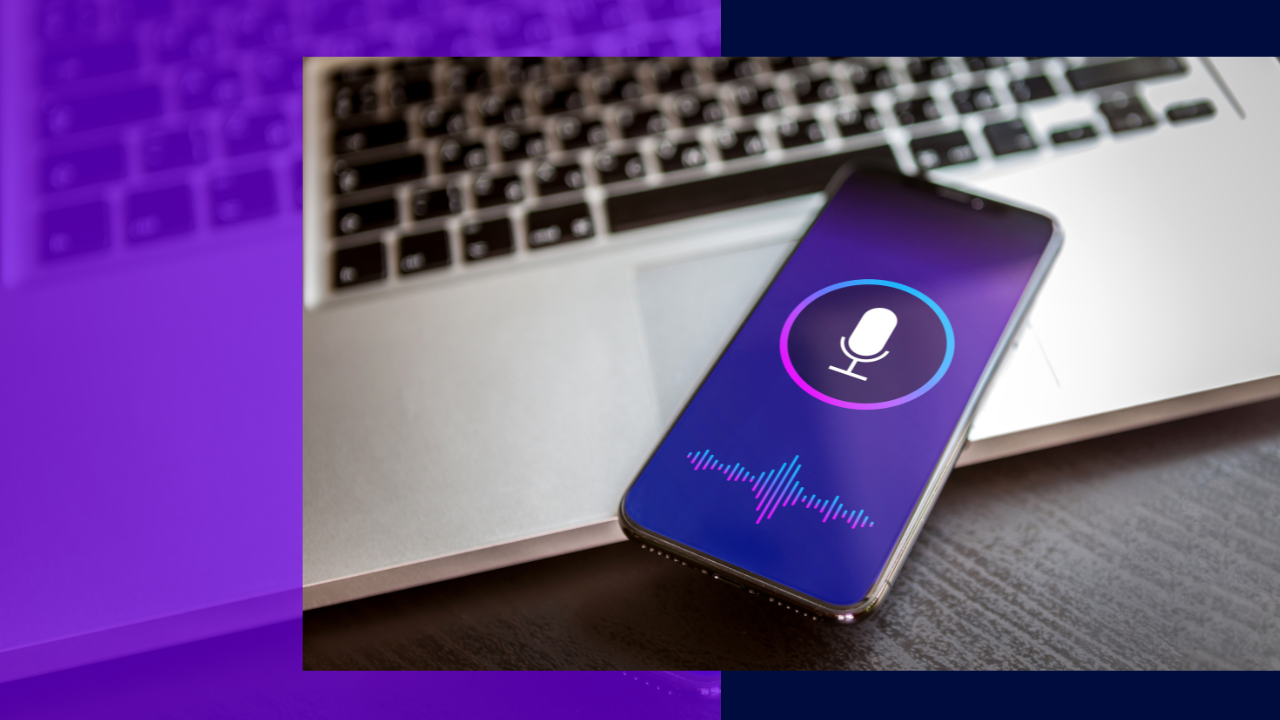
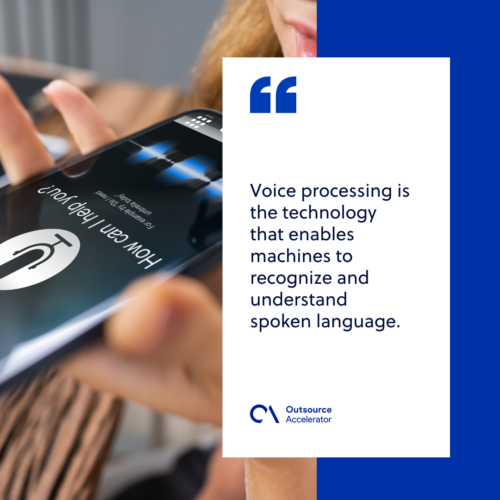
Voice processing is the technology that lets machines capture, understand, and respond to spoken language, from speech recognition to text-to-speech systems.
- It turns speech into data that software can read and act on.
- It powers voice assistants, phone systems, and hands-free devices.
- It now reaches new fields, from healthcare to retail.
Voice processing was once a science fiction dream. In old movies, people spoke to computers, and the machines replied. However, this technology has existed for a long time in the real world. Only recently has it taken center stage, and its potential is just starting to show.
Today, voice processing appears across many industries. As a result, it has changed how we use our devices, largely through the rise of smartphone voice assistants. This article explains the technology behind voice processing and how it reshapes daily interactions.
In simple terms, voice processing helps machines recognize and understand speech. It covers many steps that store, replay, and analyze audio. So it spans everything from speech recognition to text-to-speech systems. The technology has three main parts:
- Microphone to capture the audio input
- Analog-to-digital converter to convert to a digital format
- Software to analyze and interpret the digital signal
Voice processing mechanisms
Different voice processing mechanisms analyze the audio input. So we can group them into three main types.
Speech recognition
Speech recognition technology, or speech-to-text, turns spoken words into written text. It is used in transcriptions, dictation software, and voice-enabled tools like virtual assistants.
One recent advance is reading words in context. As a result, transcription is far more accurate, which helps many industries. In fact, modern speech analytics software builds on this to mine calls for useful insights.
Speech synthesis
Speech synthesis, also known as text-to-speech, lets machines turn written text into spoken words. So it powers apps that reply out loud based on user input.
Today, automation has pushed this technology forward. For example, Google’s text-to-speech AI promises higher quality speech with more lifelike replies.
Natural language processing
Natural language processing (NLP) helps machines grasp meaning more deeply. In short, it studies language for meaning, context, and intent.
Still, NLP cannot process raw speech on its own. Instead, it works alongside voice recognition or text-to-speech tools.
Applications of voice processing systems
Voice processing has many uses across industries. So here are some of the key ones. Many now run on contact center AI software that blends these mechanisms.
Voice commands
Voice commands are the most familiar use of this technology. They let people control devices hands-free with simple spoken orders. For example, Apple’s Siri and Amazon’s Alexa are the best known cases. Meanwhile, AI call center software uses the same idea to route and answer customer calls.
Voice biometrics
Voice biometrics verifies a person’s identity using their voice. It has been around for a while, mostly in customer support. For example, in phone banking, IVR systems use voice biometrics as an extra layer of security. To learn more, see the pros and cons of voice authentication.
Healthcare diagnostics
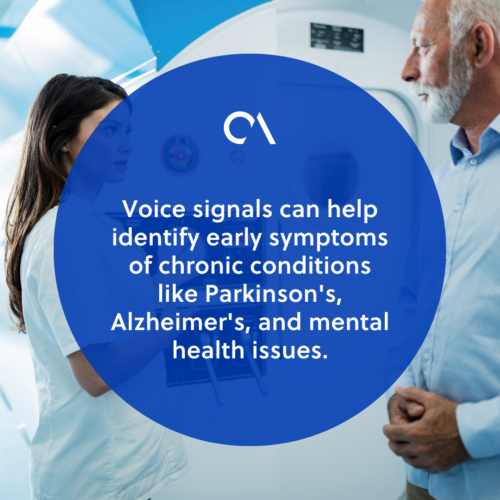
Healthcare diagnostics is a newer use that draws real attention. Voice signals can flag early signs of chronic conditions. For example, they may hint at Parkinson’s, Alzheimer’s, and mental health issues. This use is still early, but the potential is huge.
Automatic interface
An automatic interface fits many fields. For example, it appears in home automation, cars, and gaming systems. As a result, we can control almost any device with our voice.
With this interface, people set reminders, play music, and manage home security hands-free. So daily tasks get simpler.
Challenges in applying voice processing technology
Like any new technology, voice processing has hurdles. So here are the main ones.
Accurate speech recognition
Accurate speech recognition is still hard. In particular, software struggles with many accents and speech patterns.
Integration into existing systems
Adding voice processing to older systems can be tough. For example, healthcare, aviation, and fintech face this often.
These sectors must also meet strict rules on data security and authentication. For instance, patient data is protected under HIPAA.
Privacy
Voice processing raises real questions about privacy and data protection. So concern is highest in biometrics and healthcare, where private data is at stake.
Unforeseen biases
One less-discussed challenge is fairness. Can the technology stay impartial? Not always.
For example, one study found that gender, race, and other biases still show up in automatic speech recognition (ASR),[1] which can affect accurate patient diagnoses.
Limited applications in some sectors
In some industries, voice processing is simply impractical. Often, the blockers are limited staff and tight budgets.
Implications of voice processing technology in the future
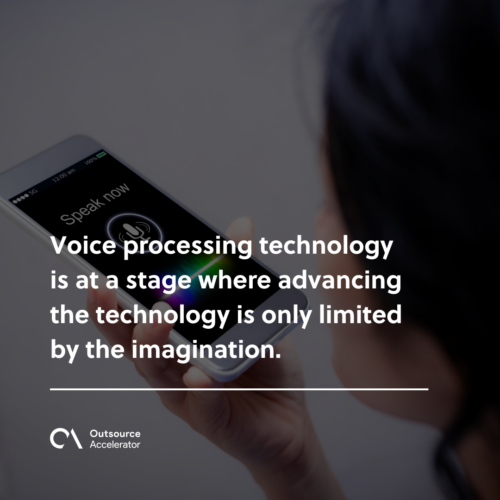
Voice processing is at a point where imagination sets the limit. So its use in smart homes, offices, and cars will only grow in the coming years. Because of this, everyday call center technology will keep shifting toward voice-first tools.
Wider use in healthcare will reshape diagnosis and improve public health. So the impact could be large.
The future holds many options. For example, expect personalized education by voice and voice-activated home security that hears a call for help. Meanwhile, our reliance on keyboards and touchscreens will slowly fade. As a result, a new way of talking to machines will take its place.
Article reference:
[1] Automatic speech recognition (ASR). Feng, S., Kudina, O., Halpern, B.M. and Scharenborg, O. (2021). Quantifying Bias in Automatic Speech Recognition. arXiv:2103.15122 [cs, eess]. [online] Available at: https://arxiv.org/abs/2103.15122.
Frequently asked questions
What is the difference between voice recognition and speech recognition?
The terms overlap, but they are not the same. Speech recognition turns spoken words into text. Voice recognition, by contrast, identifies who is speaking. So one reads the message, and the other reads the speaker.
How does voice processing improve customer service?
It powers IVR menus, voice assistants, and call analytics. As a result, customers get faster answers and smoother self-service. Meanwhile, agents can focus on harder, higher-value calls.
Is voice processing secure?
It can be, with the right safeguards. Strong encryption and clear consent rules help protect voice data. Still, regulated fields like healthcare must follow standards such as HIPAA.
Can voice processing understand different accents?
It is getting better, but gaps remain. Accents and dialects can still trip up some systems. So many teams train their models on wider voice samples to close the gap.
What industries benefit most from voice processing?
Many do, but a few stand out. For example, healthcare, banking, retail, and customer support see clear gains. So any field with heavy voice contact can benefit.






 Independent





