
Understanding sales order processing


What is sales order processing?
Sales order processing is the set of steps a seller uses to turn a customer order into a delivered product and a paid invoice.
In short, it moves an order from request to fulfillment. It keeps each step accurate, fast, and clear for the buyer. As a result, customers get what they ordered on time.
- It covers order placement, checking, picking, shipping, and payment.
- It cuts the errors that slow down delivery.
- It shapes the whole customer experience, not just the sale.
Traditional order methods are losing favor with many businesses. For example, they often rely on manual data entry and paper forms. As a result, they are slow and prone to mistakes.
Digital tools and e-commerce have reshaped how firms handle business operations. Because of this, more companies now use online sales channels, global markets, and omnichannel plans. In other words, digital systems gave rise to automated steps like sales order processing.
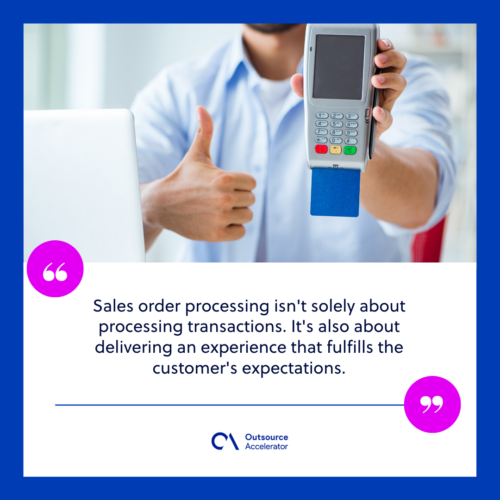
Sales order processing is not only about handling transactions. It is also about giving buyers an experience that meets their hopes. Many firms now pair it with outsourced order taking to speed things up.
Sales order vs. Purchase order
Both sales and purchase orders are used in deals. Still, they serve different goals.
A customer sends a sales order to ask a seller for goods or services. In contrast, a buyer sends a purchase order to request goods or services from a supplier. So the two documents start from opposite sides of the same deal.
Sales order vs. Invoice
As noted, a sales order is made before delivery. It lists what a customer wants to buy.
An invoice, however, comes after the goods or services are sent. It acts as a request for payment from the seller to the buyer. For example, it shows the items, their quantities, prices, and any taxes or discounts.
How sales order processing works
Efficient sales order processing runs in clear steps. As a result, orders flow smoothly and buyers stay happy.
Order placement
Order placement is the first stage. It can happen through many channels. For example, buyers may order through sales representatives, online stores, or set portals.
Customers then share what they need. Because of this, the whole fulfillment engine starts to move.
Order verification and entry
Next, the order is checked for accuracy and completeness. This step catches gaps, missing details, or errors early. As a result, it keeps problems from slowing the flow.
Verification also confirms the order matches what the customer wants. So it lowers the risk of mistakes across the order fulfillment process.
Once verified, the details go into the system. From there, they serve as the main reference for later stages.
Inventory checking
After entry, the team checks stock. This step confirms the requested items are on hand. As a result, the order can move ahead without delay.
Sometimes items are out of stock. In that case, the team may backorder them or warn the customer about delays. Good inventory management keeps this step quick and honest.
Order confirmation
Once the stock check passes, the seller sends an order confirmation. This note gives the order number, the likely delivery date, and other key details. So the buyer knows exactly what to expect.
Picking and packing
Picking and packing set up a good customer experience. After an order is confirmed, the team gathers the items. This phase includes a few clear tasks:
- Navigating the inventory
- Retrieving the correct products
- Packing the items
Packing is done with care to prevent damage in transit. Accuracy matters most here. As a result, buyers get exactly what they ordered.
Shipping and invoicing
With the order packed, it moves to shipping. The carrier then takes it for delivery. At the same time, an invoice is made for the shipped items, costs, taxes, and discounts.
This stage makes the purchase real. Meanwhile, the goods pass from the seller to the customer. The invoice is a formal record. So it helps with financial reconciliation and buyer reference. Many firms also lean on automated invoice processing to keep this step clean.
Payment processing
Once buyers get the goods or services, they pay per the invoice. Payment processing then checks the payment method and confirms it is valid. Next, it matches the payment with the invoice details.
Fast, accurate payment keeps cash flow healthy. As a result, financial records stay in good shape.
Delivery and confirmation
Delivery and confirmation close the process. After payment clears, the goods go out. Finally, a delivery confirmation reaches the customer. It affirms the order arrived or the service is done.
Post-sales support
Post-sales support keeps the customer journey going after delivery. It goes beyond the sale itself. For example, it covers returns and any post-purchase questions.
Strong support shows a real commitment to buyers. As a result, it builds trust and lifts customer satisfaction over time.
How to outsource sales order processing
Many trusted outsourcing firms like Outsource Accelerator can handle these tasks. For example, they cover order entry through customer support.
Outsourcing sales order processing can be a smart move. It helps firms streamline work, cut costs, and focus on core strengths. For online sellers, e-commerce outsourcing can extend the same gains across the whole order flow.
Frequently asked questions about sales order processing
What is the goal of sales order processing?
The goal is to fill each order fast, correctly, and in full. It ties order entry, stock checks, shipping, and payment into one flow. As a result, buyers get the right products on time.
What is the difference between a sales order and an invoice?
A sales order comes first and lists what a buyer wants. An invoice comes later and asks for payment after delivery. So one starts the deal, and the other closes it.
What are the main steps in sales order processing?
The main steps are placement, verification, inventory checking, and confirmation. After that come picking and packing, shipping and invoicing, and payment. Finally, delivery confirmation and post-sales support wrap it up.
Why do businesses outsource sales order processing?
Firms outsource to save time and reduce errors. It also lowers costs and frees staff for core work. Because of this, service can improve as orders scale.
How does sales order processing affect customer satisfaction?
Each step touches the buyer in some way. Accurate orders and clear updates build trust. As a result, smooth processing leads to happier, more loyal customers.






 Independent





