
How to create a viable offshore talent development strategy

What is an offshore talent development strategy?
An offshore talent development strategy is a clear plan to hire, train, and grow skilled remote workers abroad so their skills match your company goals.
- It covers sourcing, training, and career growth, not just hiring.
- It keeps offshore staff aligned with your targets and culture.
- It helps you cut costs while you build a high-performing team.
A strong offshore talent development strategy helps your business grow its edge and work more efficiently. It is about more than sourcing skilled people from abroad. You also nurture their growth and align their skills with your goals.
When you invest in offshore talent the right way, you tap into diverse expertise. As a result, you can drive new ideas and save money at the same time. In this article, we share a simple step-by-step guide. So you can build a winning plan and get the most from your remote workforce.
We will also show how ConnectOS can help you connect with top offshore talent. Because of this, you can build a team that supports your goals.
Talent development vs. Talent management vs. Performance management
First, it helps to know how these three terms differ. Each one plays a key role in a strong HR plan.
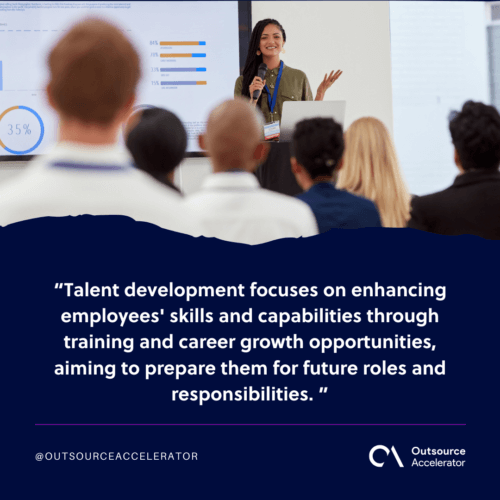
Talent development is about building skills. It uses training and career growth to prepare people for future roles. Meanwhile, Talent management takes a wider view. It covers the whole employee journey, from hiring to retention. The goal is simple. You want the right people in the right roles, with their potential fully used.
Performance management works on a different level. It reviews and improves how people work through feedback, goals, and regular reviews. So it makes sure each person hits their targets and adds real value. Together, these three build a skilled, engaged, and productive remote team. Many firms pair them with strong talent acquisition practices to find the right people from the start.
How to create an offshore talent development strategy
A clear offshore talent development strategy helps you use global talent while you stay true to your goals. A good plan also brings remote staff into your culture with ease. First, it helps to train your offshore team with a structured approach. Here is a step-by-step guide to follow.
1. Define clear objectives
Start by setting out what you want from your offshore talent efforts. For example, you may want to build specific skills, prepare people for leadership, or lift output. Clear goals will guide the whole plan.
2. Assess current capabilities
Next, look at your team’s current skills and results. This helps you spot strengths and gaps. As a result, you can tailor each program to what your remote workers really need.
3. Develop customized training programs
Then build training that matches those needs and goals. For instance, it may include online courses, workshops, or mentorship. Keep each program tied to the roles your offshore staff fill. Ongoing upskilling and reskilling also keeps skills fresh as your needs change.
4. Implement effective communication channels
Set up strong communication tools and habits to link your teams. Regular check-ins, video meetings, and shared platforms keep remote staff engaged and informed. So people stay connected even across distance.
5. Set clear expectations and goals
Define what good performance looks like for each person. Make these goals easy to measure. Also, tie them to the wider goals of the business. This gives your team clear direction and strong motivation.
6. Monitor progress and provide feedback
Review how your offshore talent efforts are going on a regular basis. Offer helpful feedback and support along the way. Because of this, people can hit their goals and work through any blockers they face.
7. Foster a supportive culture
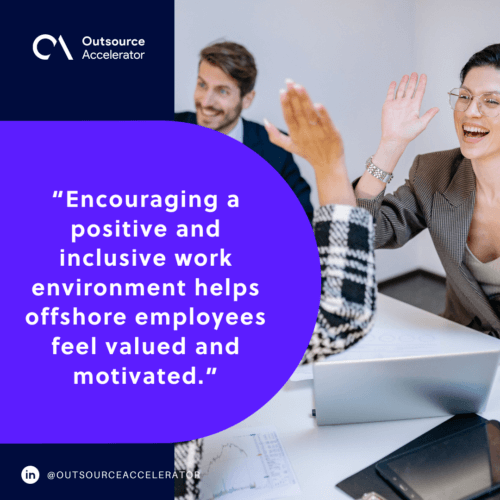
Build a culture of learning and growth. For example, you can recognize and reward wins often. A positive and inclusive work environment helps offshore staff feel valued. As a result, they stay motivated and loyal. Smart use of AI in talent development can also speed up learning and personalize each path.
8. Evaluate and adjust the strategy
Finally, check how well your plan works from time to time. Gather feedback from staff and managers. Then make changes so the plan keeps pace with your business needs. These steps mirror many best practices for offshore teams that help remote staff thrive.
Tap into seasoned offshore specialists with ConnectOS
Skilled offshore specialists can lift your operations and drive growth. At ConnectOS, the team connects you with experts who bring real experience and insight. Its “Integrated Resourcing” model helps you tap top talent built around your needs.
So you gain the benefits of offshore talent without the usual hassle. Ready to grow with expert support? Contact ConnectOS today to find the right professionals for your goals.
Frequently asked questions
What is the difference between offshore talent development and offshore recruitment?
Recruitment is about finding and hiring people abroad. Development is what happens next. It grows their skills, guides their careers, and keeps them aligned with your goals. So one fills roles, and the other builds long-term value.
How long does it take to see results from an offshore talent development strategy?
Early wins, like better communication and clearer goals, can show within a few weeks. Bigger gains, such as stronger skills and lower turnover, often take a few months. Steady effort and regular feedback speed this up.
Which skills should an offshore talent development strategy focus on first?
Start with the skills tied to your main goals. For many teams, that means communication, time management, and role-specific technical skills. After that, you can add leadership and soft skills as people grow.
How do you measure the success of offshore talent development?
Track clear numbers over time. For example, watch output, quality, goal completion, and retention rates. Staff feedback matters too. Together, these show whether your plan is working or needs a tweak.
Can small businesses use an offshore talent development strategy?
Yes. A small team can start with simple steps, like clear goals and short training plans. As the business grows, the plan can grow with it. So even a lean team can build strong offshore talent.






 Independent






