
How businesses use VirtualStaff.ph to build back-office teams that actually scale

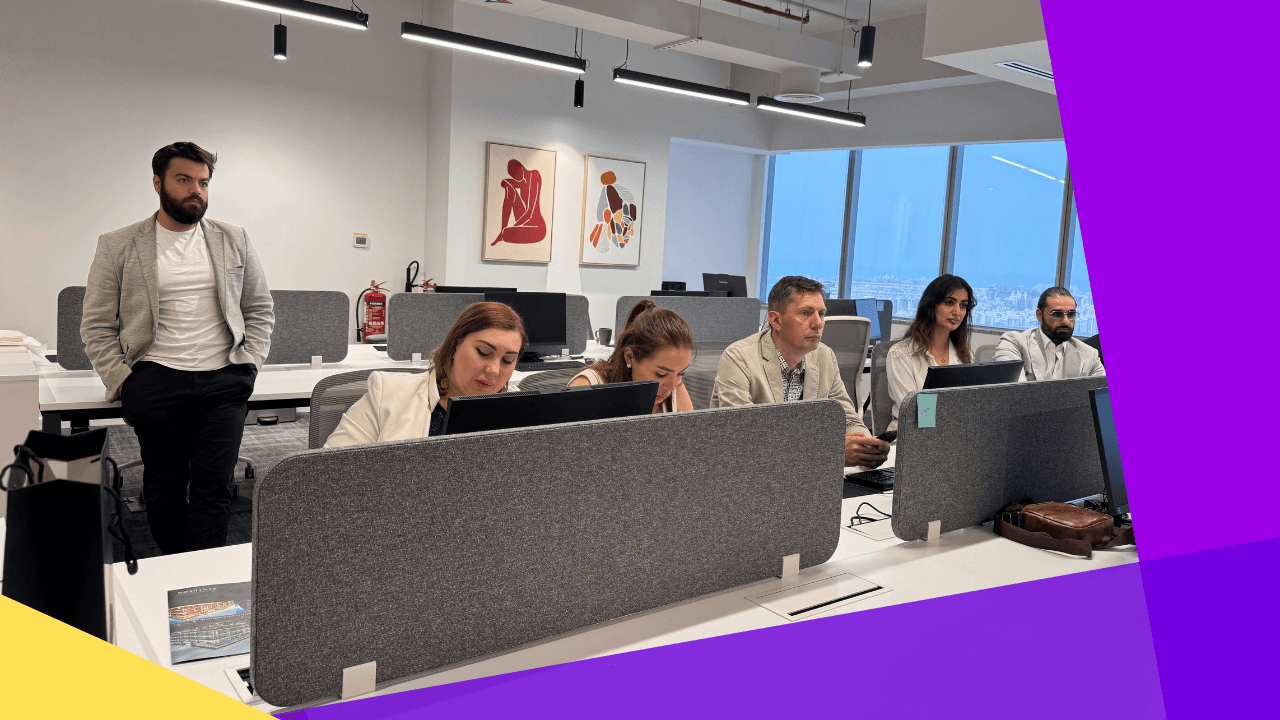
- By utilizing VirtualStaff.ph, businesses can scale their capacity by adding remote staff who operate as a direct part of their day-to-day processes.
- Common roles include customer support, billing and collections, admin support, operations support, accounting, and bookkeeping.
- The model is designed to help businesses handle more work without increasing payroll pressure or operational chaos.
- Companies stay in control of the workday while gaining predictable monthly costs and integrated support staff.
- Most businesses start small, then expand one role at a time as operations grow.
At a certain point, most businesses hit the same wall.
Sales are coming in. Customers need support. Admin work starts piling up. Billing gets delayed. Internal teams get stretched thin.
The business is growing, but the systems behind it are struggling to keep up.
This is usually the moment when owners realize the real problem is not demand.
It’s capacity.
There’s simply more work flowing through the business than the current team can handle consistently.
For many businesses in the US, Australia, and the UK, this is where VirtualStaff.ph starts becoming part of the conversation.
Not because they are looking for freelancers.
Not because they want “cheap labor.”
But because they need a practical way to get more work handled without overcomplicating the business.
The real problem most growing businesses run into
As companies grow, the back office often becomes the pressure point first.
Not the sales side.
Not the marketing side.
The operational side.
Things like:
- Customer emails
- Invoicing
- Payment follow-ups
- Admin work
- Reporting
- Scheduling
- Bookkeeping
None of these tasks are optional.
But they quietly expand as the business grows.
At first, the owner handles them.
Then the local team absorbs them.
Eventually, everyone is overloaded.
That’s usually when businesses start looking for a better way to increase output without continuously increasing local payroll.
Why businesses are moving away from patchwork support
A lot of businesses have already tried:
- Freelancers
- Random virtual assistants
- Disconnected outsourcing setups
The problem is usually the same.
Work gets fragmented.
Communication becomes inconsistent.
Nobody feels fully integrated into the business.
And instead of reducing pressure, it often creates more management overhead.
That’s why more businesses are shifting toward a different model entirely.
Instead of outsourcing random tasks, they are building dedicated support teams that plug directly into the business itself.
What VirtualStaff.ph actually helps businesses do
VirtualStaff.ph is typically used by established businesses that need more operational capacity but do not want the complexity of continuously expanding local teams.
The setup is straightforward.
Businesses add dedicated offshore staff who:
- Work inside their systems
- Follow their processes
- Support day-to-day operations
- Become part of the workflow
The business still manages the workday.
VirtualStaff.ph handles the staffing structure behind the scenes.
The result is a simpler way to increase capacity while keeping visibility and control over operations.
Common back-office roles businesses add
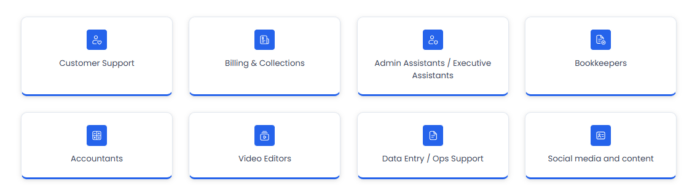
One reason businesses use VirtualStaff.ph is flexibility.
Different companies hit different bottlenecks.
Some need help handling customer volume.
Others are falling behind on admin, billing, or bookkeeping.
The model allows businesses to add support where pressure is building.
Customer support
Customer support is usually one of the first areas that becomes difficult to keep up with.
As businesses grow:
- tickets increase
- inboxes fill up
- response times slow down
- follow-ups get missed
Businesses use VirtualStaff.ph to add dedicated support staff who help handle:
- email support
- live chat
- customer follow-ups
- ticket management
- general customer service tasks
Because these staff members work inside the business’s existing systems, they operate as part of the actual support team rather than as disconnected outside help.
Billing and collections
Billing problems create pressure quickly.
Invoices go out late.
Payments are not followed up.
Cash flow slows down.
For many businesses, this is not because the systems are broken.
It’s because nobody has enough time to stay on top of everything consistently.
Businesses often add billing and collections support for tasks like:
- Invoice generation
- Payment tracking
- Collections follow-up
- Customer billing support
This helps keep revenue moving without pulling internal staff away from other responsibilities.
Admin and operations support
A growing business creates an enormous amount of admin work.
- Scheduling
- Data entry
- Internal coordination
- Updating records
Following up on loose ends.
It all adds up.
And when these tasks are constantly sitting with managers or owners, the business slows down.
VirtualStaff.ph is commonly used to add admin support staff who handle:
- Calendar management
- Data entry
- Admin coordination
- Operational support
- Internal workflow support
This gives internal teams more room to focus on higher-value work instead of constantly reacting to admin backlog.
Accounting and bookkeeping
Finance is another area that starts slipping when businesses get busy.
Reconciliations get delayed.
Records stop being updated properly.
Reporting falls behind.
Businesses use VirtualStaff.ph to plug dedicated accounting support into their day-to-day operations, including:
- Bookkeeping
- Bank reconciliations
- Financial data entry
- Reporting support
The goal is simple: Keep the numbers accurate, organized, and up to date as the business grows.
Most businesses start small
One of the biggest misconceptions about offshore staffing is that businesses need to build huge teams immediately.
That’s usually not what happens.
Most companies start with just a few staff.
Often two or three people handle the areas creating the most pressure.
Once those staff are integrated into operations, businesses start seeing the impact:
- work gets handled faster
- bottlenecks reduce
- internal teams feel less stretched
- owners spend less time buried in admin
From there, growth becomes much easier to manage.
Businesses add more support one role at a time as new needs appear.
The difference is integration
The biggest difference with VirtualStaff.ph is not simply that the staff are offshore.
It’s how they fit into the business.
The staff are designed to plug directly into the company’s operations.
That means:
- The business stays in control of the workflow.
- Managers still oversee daily work.
- Communication stays direct.
- Processes stay consistent.
This is very different from traditional outsourcing setups where work is pushed outside the business and visibility starts disappearing.
Instead, businesses are effectively building their own dedicated support team that operates inside their existing structure.
Predictable costs matter more than ever
For many operators, the challenge is not just growth.
It’s growing without creating payroll chaos.
Local hiring costs continue rising across the US, Australia, and the UK.
At the same time, businesses still need:
- more support
- more throughput
- more output
- more operational capacity
VirtualStaff.ph is structured around one predictable monthly amount per staff member, making it easier for businesses to plan and scale steadily over time.
That predictability matters because businesses can expand support capacity without constantly worrying about operational surprises.
Why this model is gaining attention
More businesses are realizing they do not necessarily need:
- Larger offices
- Massive local hiring
- Complicated outsourcing arrangements
What they actually need is:
- More work getting done
- More consistency
- More support capacity
- Less operational pressure
That shift in thinking is why structured offshore staffing models are getting more attention.
The focus is no longer: “How do we hire cheaper?”
It’s: “How do we handle more work without breaking the business?”
FAQs
How do businesses usually start with VirtualStaff.ph?
Most businesses start small by adding two or three support staff into areas where work is piling up most heavily. Over time, they expand role by role as operations grow.
What types of staff can businesses add?
Common roles include:
- Customer support
- Billing and collections
- Admin support
- Operations support
- Accounting
- Bookkeeping
- Virtual assistant support
- Healthcare support roles
Is this the same as traditional outsourcing?
Not really.
Traditional outsourcing often involves handing work off to an outside provider with limited visibility or control.
With VirtualStaff.ph, businesses add dedicated staff who work directly inside their operations and follow their internal processes.
Why dedicated support is the new growth standard
Most growing businesses eventually run into the same problem.
There is simply more work flowing through the company than the existing team can comfortably handle.
That pressure usually shows up first in the back office:
- Customer support
- Billing
- Admin
- Bookkeeping
- Operations support
VirtualStaff.ph is increasingly being used by businesses that want to solve that problem in a structured way.
Not through disconnected freelancers.
Not through outsourcing chaos.
But through dedicated support staff who plug directly into the business and help increase capacity without adding unnecessary complexity.
For businesses trying to grow steadily while staying in control of operations, that model is becoming harder to ignore.






 Independent





