
Call center telemarketing and its best practices


What is call center telemarketing?
Call center telemarketing is the practice of using phone agents to gauge interest, share offers, and support sales for a company’s products or services.
- It blends outbound calling with clear scripts and soft skills.
- It supports surveys, lead generation, and direct sales.
- It keeps evolving with new tools and modern best practices.
Call center telemarketing is not a dying practice, despite what many think. In fact, it keeps improving. Teams drop outdated habits and adopt better ones over time.
Telemarketing carries a negative image with some people. So it may get a cool welcome at first. Still, the work is much more than a name and a number to call.
Today, many people avoid calls from unknown numbers. They often assume it is a scam. Sadly, scammers have twisted the good roots of telemarketing. As a result, honest teams must work harder to build trust.
Defining call centers
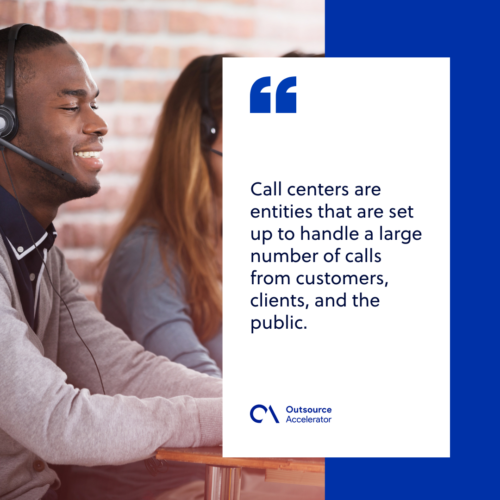
Call centers handle a large number of calls from customers, clients, and the public. A company can hire agents in-house. It can also outsource them to a third-party provider.
Like their staff, call centers are often outsourced by bigger firms. So they take over busy customer service hotlines.
These teams mostly handle service, support, and acquisition. Some also cover order processing, travel booking, and phone-based tech support. In addition, many offer full call center services such as telemarketing and telesales.
Many people mix up call centers and BPO firms. It is an easy mistake. After all, the two sectors work together often.
Call centers vs business process outsourcing companies
More often than not, call centers and BPO firms overlap. Still, they are not quite the same.
For instance, call centers only take and make calls for clients. They do not handle “non-voice” tasks. So they skip work like accounting, chat support, and email marketing.
As the name suggests, BPOs take on many business processes. They do not stop at customer service. In fact, they venture into marketing, logistics, content moderation, billing, and insurance.
To put it simply, call centers focus on phone services. BPOs, meanwhile, provide a wider range of outsourced work.
What is telemarketing?
Telemarketing is the process of gauging public interest in a company’s products and services. So it works as a direct line to potential buyers.
It can also serve other goals. For example, nonprofits and public groups use it for surveys and outreach drives.
Some customers opt out of these calls. As a result, there are laws that stop agencies from contacting them. So teams must respect these rules at all times.
In many countries, there is a national Do Not Call list. Residents can sign up and avoid future calls. Still, calls from NGOs or public groups may be exempt.
The difference between telemarketing and telesales
Both telemarketing and telesales happen over the phone. So people sometimes mix them up.
As noted above, telemarketing judges public interest in a product or service. Telesales, on the other hand, actively sells to warm leads. In many cases, it ends in a closed deal.
The two support each other. For example, lead generation feeds the telemarketing team a list of prospects.
Run well, these units become a powerhouse. As a result, they drive revenue and hit key targets fast. Outbound work, in particular, links closely to outbound telemarketing campaigns.
Best practices of call center telemarketing
Best practices guide both staff and managers. They set the bar for great service. In short, every workplace leans on them to stay strong.
Telemarketing firms are no exception. In fact, many of their best practices match those of call centers. Because their work overlaps, their standards often do too.
Most best practices come from trial and error. So each one is tested and refined over time. In other words, they are simply the proven way to do the work.
Retaining soft skills
Soft skills shape a person’s character at work. People build them early, at home and in school. So they offer a good read on someone’s emotional strengths.
These skills matter as much as hard skills like tech knowledge and multilingualism. Trainers can teach hard skills. Character, though, is much harder to change.
Some traits can still grow over time. Even so, firms want staff who share their core values. For example, they seek people who value hard work and integrity.
Empathy
Agents deal with clients from all walks of life. So they must show empathy to connect. This builds rapport and smooths out each call.
For example, a call may turn tense with an upset customer. To calm it down, the agent needs patience and care. As a result, the call can get back on track.
Of course, it is a two-way street. A calm customer makes the call far easier. Good questions and follow-ups help both sides. These are core customer service skills.
Communication
Open communication matters for two reasons. First, it keeps work orderly. Second, it stops misunderstandings.
Clear talk with a customer shows real effort. So it signals that staff give their best each time.
We expect agents and telemarketing experts to share their message well. That is hard without facial cues. Still, skilled workers have this down to a T.
Communication is more than sending and receiving messages. One underused skill is brevity. In short, it means saying what you mean in few words.
Team player
Being a team player is more than chatting with coworkers. It means being reliable, honest, and understanding.
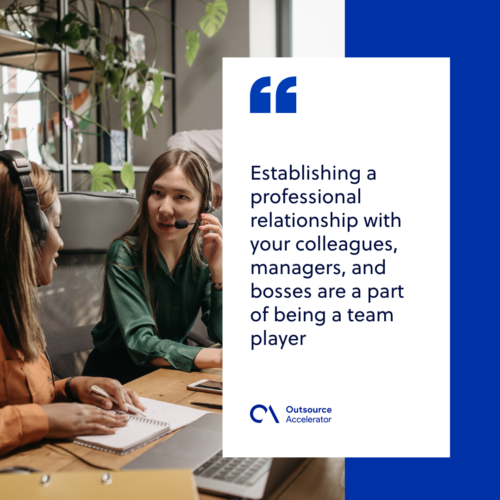
Strong ties with peers, managers, and bosses are part of it. So if a coworker needs help, a team player steps up.
Still, it does not mean dropping your own tasks. It means your team can count on you.
Even quiet workers can be team players. For example, ask questions and share your views. In short, being active in a group matters as much as your own work.
Active listening
Active listening is key for agents and telemarketers. In this skill, the listener processes the message right after hearing it.
It helps calm conflicts and build real rapport. As a result, the conversation stays productive.
Good feedback is part of it too. So give answers that fit the moment. Do not jump to a new topic before you address the current one.
Customer-centric approach
A customer-centric culture keeps buyers and clients loyal. So it pays off over the long run.
Telemarketing teams watch their retention and acquisition rates. These feed key targets on sales, revenue, and leads.
Putting customer needs first drives smart solutions. As a result, the right product can lift sales fast.
Giving solutions to consumer problems
Solving problems is one of the oldest ways to serve the public. So it keeps a firm relevant and useful.
Good products should make daily life easier. This is why telemarketing experts stress the benefits of what they offer.
How does call center telemarketing remain in the 21st century?
Telemarketing began as a small venture in the early 1950s. Back then, housewives called people about cookies and magazine subscriptions.
Now, call center telemarketing has moved with the times. Digital marketing arrived and reshaped many old processes.
People built new tools for these teams. So agents now use phones, IVR systems, and lead generation software to work well.
Telemarketing stays relevant because it keeps evolving. As a result, it rides each new wave of technology. Many firms also weigh the cost of telemarketing before they scale a campaign.
With modern tools, sales and marketing plans move fast. The market dictates what buyers want and when. So companies work hard to keep up and stay ahead.
Partner with SixEleven today for your telemarketing needs! This Davao based contact center solutions provider is backed with over 25 years of industry experience. Get access to a rich pool of telemarketing specialists who will guide and support your overall business growth!
Call center telemarketing: FAQs
Is call center telemarketing still effective?
Yes, it still works well when done right. Modern teams use data, scripts, and soft skills to connect. So they reach the right people with the right offer.
What is the difference between telemarketing and telesales?
Telemarketing gauges interest in a product or service. Telesales, in contrast, actively closes the sale. Still, the two work best as a pair.
Do telemarketing calls follow legal rules?
Yes, strict rules apply in many countries. For example, teams must honor Do Not Call lists. So compliance is a core part of the job.
Why do companies outsource telemarketing?
Outsourcing saves cost and adds skilled agents fast. Providers bring proven scripts and modern tools. As a result, campaigns launch quicker and run smoother.
Where is telemarketing commonly outsourced?
The Philippines is a top choice for many firms. It offers skilled, fluent agents at fair rates. Learn more about Philippine telemarketing and its strengths.
Key takeaways
- Call center telemarketing uses phone agents to spark interest and support sales.
- It differs from telesales, but the two work well together.
- Soft skills like empathy, communication, and active listening drive results.
- Legal rules, such as Do Not Call lists, shape how teams operate.
- Modern tools keep telemarketing relevant well into the 21st century.






 Independent





