
The difference between a traditional office and virtual workplace culture


Traditional office vs virtual workplace: which is better?
Neither one wins outright; a traditional office builds focus and team energy, while a virtual workplace offers flexibility, higher productivity, and lower costs.
- A traditional office puts people together and supports quick, in-person teamwork.
- A virtual workplace gives freedom and self-direction, but it needs strong discipline.
- The right choice depends on your goals, your tools, and your team.
The debate over the traditional office vs virtual workplace has grown fast over the years. Remote work surged after 2020, when many teams first moved home. Since then, plenty of us have swapped shared office perks for home kitchens and DIY desks. As a result, there are real differences between the two setups. Still, those differences are not always a bad thing.
Public opinion: Which is better, physical or virtual offices?
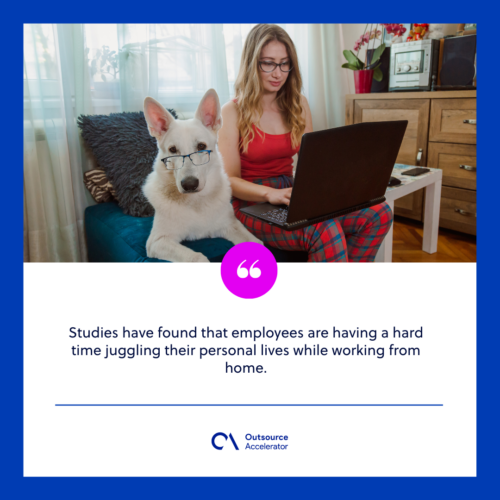
A study by Business News Daily found that remote workers are healthier, happier, and more productive. However, the setup brings its own struggles. Work-life balance is the biggest one. Many people find it hard to juggle home life while they work from home. The wider work-from-home statistics back up both the gains and the growing pains.
Still, there is one simple fix for this: taking frequent breaks. For example, one study found that the brain can focus for only about 45 minutes at a time. After that, you run on little to no fuel. So short, regular breaks help you stay sharp.
The great migration of 2020
The shift in 2020 pushed office workers to set up desks at home. A handful of firms already ran fully remote. Most others, however, had to adjust on the fly. You can see how far this went in the many companies that now allow remote work.
It may surprise you, but most firms saw productivity climb once staff went remote. So the move paid off for many teams. In fact, the benefits of virtual teams reach well beyond simple output gains.
Office culture builds focus and a can-do spirit. In contrast, remote culture builds self-discipline and accountability. Team building at arm’s length feels very different from a Zoom meeting. Because of this, team leaders now work harder than ever to keep culture strong. Many firms also settle on a hybrid work model to get the best of both worlds.
Tip: Keep in mind that working remotely and working from home isn’t the same approach.
There is also a common myth about offshore staffing. Many assume it means hiring a group of work-from-home staff. In reality, many of these firms, like Sourcefit, run well-built facilities to keep service quality high.

What to expect when working remotely
First, expect that people will not be free to chat beyond their work hours. Also expect coworkers to juggle personal errands with their tasks. Meanwhile, kids, pets, and family may interrupt video calls. On top of that, power cuts can wipe out part of the workday. To learn more, this guide on virtual work covers what to plan for.
Even so, expect people to work hard too. Many give their full effort and then some to make up any lost hours.
How to adjust to WFH
Waking up with no commute is a great way to start the day. Still, try not to lose focus early in the morning. So here are simple ways to ease into a work-from-home setup.
- Stick with your usual routine. Make breakfast, work out, shower, and dress for work. Pajamas feel nice, but they can lead to a midday nap. So log in on time, stay professional, and keep productive.
- Check your agenda. Next, list your tasks and rank them by urgency. As a result, you start the day with a clear plan.
- Catch up with your coworkers. Do not let the quiet make you lonely. So when the load is light, check in with friends and colleagues.
For employers, the shift can be tough, especially if you are used to leading in person. Remote work looks here to stay, so these tips can help:
- Utilize online collaboration tools. Remote work would not run without online collaboration tools. Luckily, today’s tech offers plenty of options for chat and teamwork.
- Invest in data security. When your data is safe, you feel more at ease while working remotely.
Remote work has blurred the line between work and life. So do not let extra tasks pull you away from what matters most.
Frequently asked questions
What is the main difference between a traditional office and a virtual workplace?
A traditional office gathers staff in one place for in-person work. A virtual workplace lets people work from anywhere. So the key gap is location and how teams connect.
Are remote workers really more productive?
Often, yes. Many studies show remote staff feel happier and get more done. However, results depend on good habits, clear goals, and the right tools.
What are the downsides of a virtual workplace?
Work-life balance can slip when home and work mix. In addition, teamwork and culture take more effort from a distance. Regular breaks and clear routines help a lot.
Does offshore staffing mean everyone works from home?
No, not always. Many offshore firms, such as Sourcefit, run full office facilities. As a result, they keep service quality and security high.
How can employers support remote teams?
Start with strong collaboration tools and solid data security. Next, set clear goals and check in often. This keeps remote teams aligned and safe.
Key takeaways
- A traditional office builds focus and quick teamwork, while a virtual workplace offers flexibility and lower costs.
- Remote work often lifts productivity, but it can strain work-life balance.
- Frequent breaks and steady routines help remote staff stay sharp.
- Offshore providers like Sourcefit often use real offices, not just home setups.
- The best fit depends on your goals, tools, and team, and hybrid can blend both.






 Independent





