
Virtual work: Everything you need to know at a glance


What does virtual work mean?
Virtual work is any job done outside an office, usually from home, using laptops and online tools.
- It is fully remote, much like remote work in general.
- It gives firms more flexibility, wider hiring, and lower overhead.
- It needs the right tools, clear metrics, and strong communication to work well.
Virtual work keeps rising as more companies adopt it. Many firms now let staff choose how they get their work done. Along with hybrid and office setups, virtual work has become a lasting fixture. Seeing the gains of working from home, many firms have made it permanent. Still, it takes time and effort to set up virtual work well. So here is what every company should know about it.
What is virtual work?
Virtual work refers to work done outside the walls of an office. Usually, staff work from home with laptops and online tools. Both traditional and distributed companies can hire people for virtual work. Firms often market these as home-based roles. Much like remote work [1], virtual work is 100% remote.
Why virtual work is good for companies
Virtual work brings more than savings for firms. This is even more true when you partner with a proven virtual staffing provider such as Clark Staff. It also brings convenience that hybrid and office setups often lack. Here are the main gains.
- Flexibility. For staff, virtual work frees them from a strict nine-to-five day. For firms, it means you can manage teams from almost anywhere.
- Maximized revenues. Firms that offer virtual jobs can save on overhead. As a result, they can put more profit into building a better business.
- Better performance results. When goals and metrics are clear, staff who are free from micromanaging[2] tend to do better work. They also avoid needless overtime.
- Wider hiring opportunities. Finally, employers are not stuck in one location. So they can find the best talent online, on their own or with a recruiter.

How everyone can prepare for virtual work
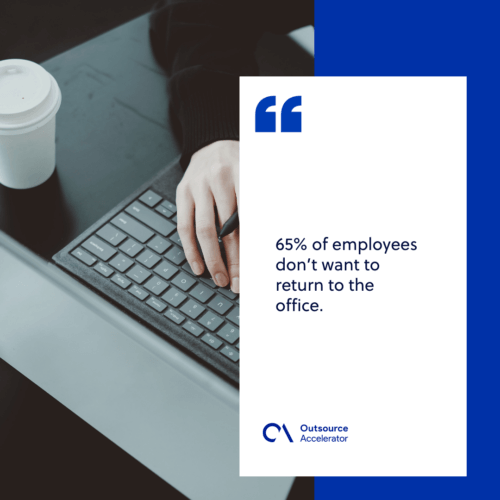
Many companies now treat virtual work as a permanent setup. Given that 65% of employees prefer to keep working from home, firms have taken steps to retain their teams. For a fuller view of this shift, see the latest work-from-home statistics.
Still, getting ready for virtual work takes time. It takes effort from both the company and its teams. Here are steps they can take to prepare for permanent virtual work.
Companies
Know which roles can be done remotely
Not all jobs suit remote work. So companies should decide which roles fit virtual work. They should also decide which ones need to stay in the office.
Have all processes and metrics ready
Once roles are set, employers should prepare their processes and metrics. Next, they should turn those processes into one clear system. This helps with tracking and transparency.
Prepare tools to use
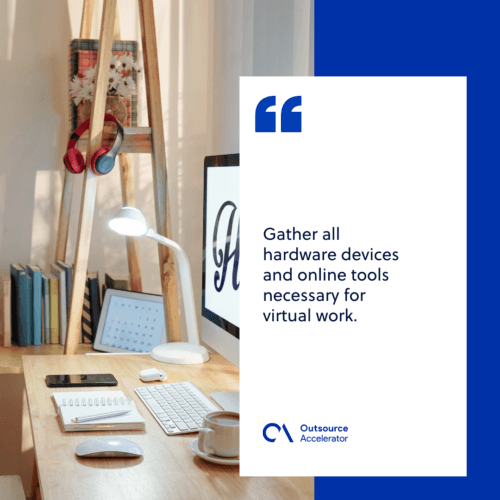
Gather all hardware and online tools needed for virtual work. At the least, virtual workers need tools for communication, data storage, collaboration, and performance tracking. The right remote working equipment also keeps teams productive at home.
Talk to employees about the changes
When all is set, it is time to talk to staff about the shift. Gather everyone and outline the plan. Explain what to expect. Then ask for their views and ideas about the move.
Employees
Practice having work routines at home
Firms should help staff practice organizing their workday. Indeed, home brings many new distractions. So a steady routine helps staff stay focused on their tasks.
Start slowly
Help staff move to virtual work step by step. For example, they can start with one or two days a week at home. Then they can shift further once everyone feels at ease.
Be mindful of KPIs
At first, remote staff can get distracted and forget their metrics. To prevent this, remind them of their KPIs often. Also, review their performance on a regular basis.

Keep in touch
Communication tools are not just for formal updates. Virtual workers can feel cut off from their employers. As a result, they may disengage from their work. To prevent this, encourage steady, friendly chats with peers online.
Necessary virtual work qualities your team needs
More than ever, firms and teams must adapt to a changing workforce. Virtual work pays off best when a team has the right qualities. This is also why more remote work companies screen for these traits when they hire.
Adaptability and flexibility
The move to virtual work needs flexibility above all. Teams must adapt to work outside the office. They must also handle surprises well. For example, they may face IT or logistics issues. At the same time, they should adjust to tasks and still perform well.
Focus and discipline
Focus and discipline also drive virtual work success. Both are key to finishing the job at hand. In addition, each person must be proactive. They should take the lead even without constant reminders.
Good communication and collaboration
Most of all, teams need strong communication and collaboration. It is easy to work with a teammate nearby. However, it is harder when you only meet on a video call. A well-run digital workplace makes this far easier.
The key to team collaboration is clear communication between people. In a virtual setup, teams often write more than they speak. So clear writing matters a lot.
The future is now: virtual work at its finest
Indeed, virtual work is now a global fixture. Because of this, firms should keep adapting to the times.
Studies also expect remote work to keep growing. Career site Ladders has projected that a growing share of professional jobs in the US will be remote. So virtual work will likely spread even further worldwide.
Meanwhile, some firms still resist the move. It may come from doubt or from worry about their capacity to support home-based staff.
For them, outsourcing to a premier staffing provider like Remote Employee can be a smart choice. Clients can start with a few teams to run virtual work. Then they can practice monitoring and watch their processes improve over time.
Key takeaways
- Virtual work means jobs done outside the office, usually from home with online tools.
- It gives firms flexibility, lower overhead, and access to talent anywhere.
- Success needs clear roles, ready processes, the right tools, and steady communication.
- Teams do best with adaptability, focus, and strong collaboration.
- Trusted staffing partners can help firms set up virtual work with less risk.
Frequently asked questions
What is virtual work?
Virtual work is any job done outside an office, usually from home. Staff use laptops and online tools to finish their tasks, so the role is fully remote.
How is virtual work different from remote work?
The two are very close, and both are fully remote. Virtual work is often marketed as home-based work, while remote work is a broader term for the same idea.
What are the benefits of virtual work for companies?
Firms gain flexibility, lower overhead, and wider hiring reach. Clear goals also help remote staff perform better without heavy oversight.
How can a company prepare for virtual work?
First, decide which roles fit remote work. Then ready your processes, metrics, and tools, and talk with staff about the change.
What qualities make virtual work successful?
Adaptability, focus, discipline, and strong communication matter most. Teams that collaborate well online tend to hit their goals.
Article references:
[1] Remote work: Sull, Donald; Sull, Charles; Bersin, Josh. MIT Sloan Management Review; Cambridge Vol. 61, Iss. 4, (Summer 2020): 1-10
[2] Free from micromanaging: Badran, Omar; Al-Haddad, Shafig. Journal of Management Information and Decision Sciences; Weaverville Vol. 21, Iss. 1, (2018): 1-20.






 Independent





