
7 tips for hiring an offshore staff


How do you hire offshore staff the right way?
You hire offshore staff by defining your needs, setting a realistic budget, picking the right country and partner, and screening candidates well.
- Start with clear roles, skills, and goals for each hire.
- Choose a stable location and a trusted staffing partner.
- Use a firm selection process, then run a short trial period.
Work has changed fast in a connected, tech-driven world. So the old idea of a fixed workplace keeps fading.
More firms now use offshore staffing to grow while they cut costs. Still, success takes more than the promise of savings.
In fact, it rests on a smart, informed way of hiring an offshore staff. So you must weigh many factors first, from culture to legal rules.
This article shares clear tips and insights to guide that process.
Are you already set on offshore staffing? Then you can check out Set Up My Offshore (SUMO). This offshore staffing firm serves many industries across Australia.
Benefits of hiring an offshore staff
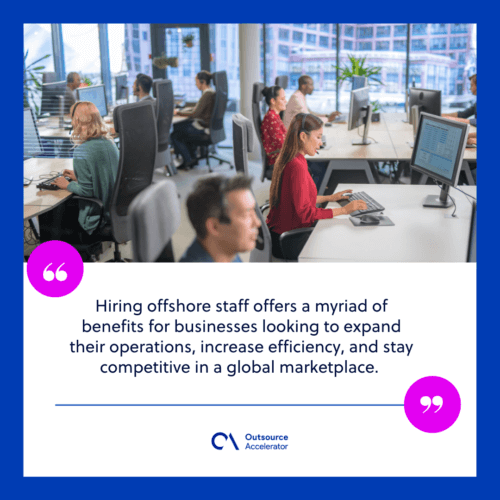
Hiring offshore staff brings many benefits for growing firms. It helps you scale, work faster, and stay competitive worldwide. To see how offshore staffing can improve your operations, look at the key gains below.
Some key advantages include:
- Cost savings. Offshore staff in low-cost countries often work for a fraction of the cost of local hires. So you can move budget to other key areas.
- Access to a global talent pool. Offshore hiring opens a wide talent pool. In turn, you reach niche skills your local market may lack.
- 24/7 productivity. Different time zones keep work moving. As a result, you gain round-the-clock output and support.
- Flexibility and scalability. Offshore staff let you scale fast. So you adapt quickly to demand or seasonal peaks.
- Focus on core competencies. Offshoring non-core tasks frees your team. In turn, this drives more innovation across the firm.
7 tips to find the right offshore staff
Finding the right offshore staff takes care and a clear plan. So use a steady, step-by-step approach.
To find the best match for your firm, follow these seven tips:
1. Clearly define your business needs and goals
First, know your business needs before you start. Then map the exact roles you want offshore staff to fill.
Next, list the skills and expertise each role needs. This covers technical skills, language, and any industry qualifications.
Clear goals also attract the right people. As a result, candidates who fit your business apply.
2. Allocate a realistic budget
A realistic budget is vital when hiring an offshore staff. So plan for several cost factors, such as:
- Average salaries in the offshore location
- Extra benefits or incentives
- Taxes
- Legal or admin fees
Seek expert advice, then review and adjust as you go. In this way, you keep sound finances even while you save. To set the right figure, see how much you can save with offshore staffing.
3. Choose the right offshoring destination
Each country has its own strengths in offshore staffing. So research and compare the options with care.
Consider factors like:
- Language proficiency
- Cultural compatibility
- Time zone alignment
- Political stability
For a closer look, compare top offshore destinations side by side. So you can match a country to your needs.
4. Choose a reputable offshore staffing partner
A trusted staffing agency makes hiring simpler. In many cases, providers keep a pool of pre-screened talent. As a result, you save time on recruitment.
So look for partners with a proven record. Also check client reviews and industry expertise.
5. Implement a rigorous selection process
Treat offshore hiring with the same rigor as local hiring, or more. So build a process with several stages, such as:
- CV screening
- Interviews
- Skill assessments
- Reference checks
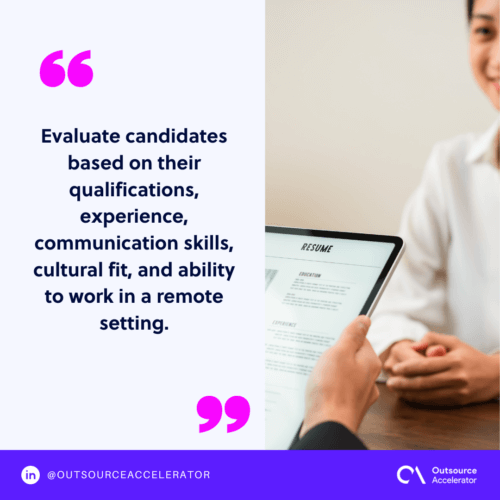
Then judge candidates on skills, experience, and communication. Also weigh cultural fit and the ability to work in a remote setting. It also helps to know the top skills to look for in an offshore staff. Once again, an agency can help here.
6. Check references and past work experiences
Always verify references and work history. So you gain a clear view of a candidate’s performance and reliability.
Ask about their work ethic and deadlines. Also ask how well they work with a team.
7. Consider a trial period
To ensure a good fit, try a trial period or pilot project first. So you test performance before a long-term contract. Simple best practices for offshore teams make this trial smoother.
Follow these tips, and your odds improve. As a result, you find offshore staff who meet your needs and help your firm grow.
Set Up My Offshore’s staffing solutions
Are you a small or medium business seeking low-cost offshore staffing solutions? Then look no further than Set Up My Offshore.
SUMO provides skilled, collaborative offshore staff based in Manila. So you build the team you need without the hassle of recruitment and training.
SUMO also handles ongoing management for you. In addition, it works hard to build growth, teamwork, and results for your staff.
Get in touch with Set Up My Offshore today to explore your offshoring options!
Frequently asked questions
What does it mean to hire offshore staff?
It means employing workers in another country to do your tasks. They may cover admin, IT, support, or specialist roles. So you gain skilled help, often at a lower cost.
How much can I save with offshore staffing?
Savings depend on the role and the country you choose. Many firms cut labor costs by a large margin. Still, weigh taxes, fees, and management time in your plan.
Which countries are best for offshore staff?
The Philippines, India, and Vietnam are popular choices. Each offers strong skills and fair costs. So match the country to your language and time zone needs.
Should I use an offshore staffing agency?
An agency can save you time and lower risk. It screens talent and handles admin and compliance. So it often suits firms new to offshore hiring.
How do I manage offshore staff well?
Set clear goals and share simple, written briefs. Then use chat and task tools to track work each day. Regular check-ins also keep your team aligned and engaged.






 Independent





