
Improving patient experience through virtual nursing

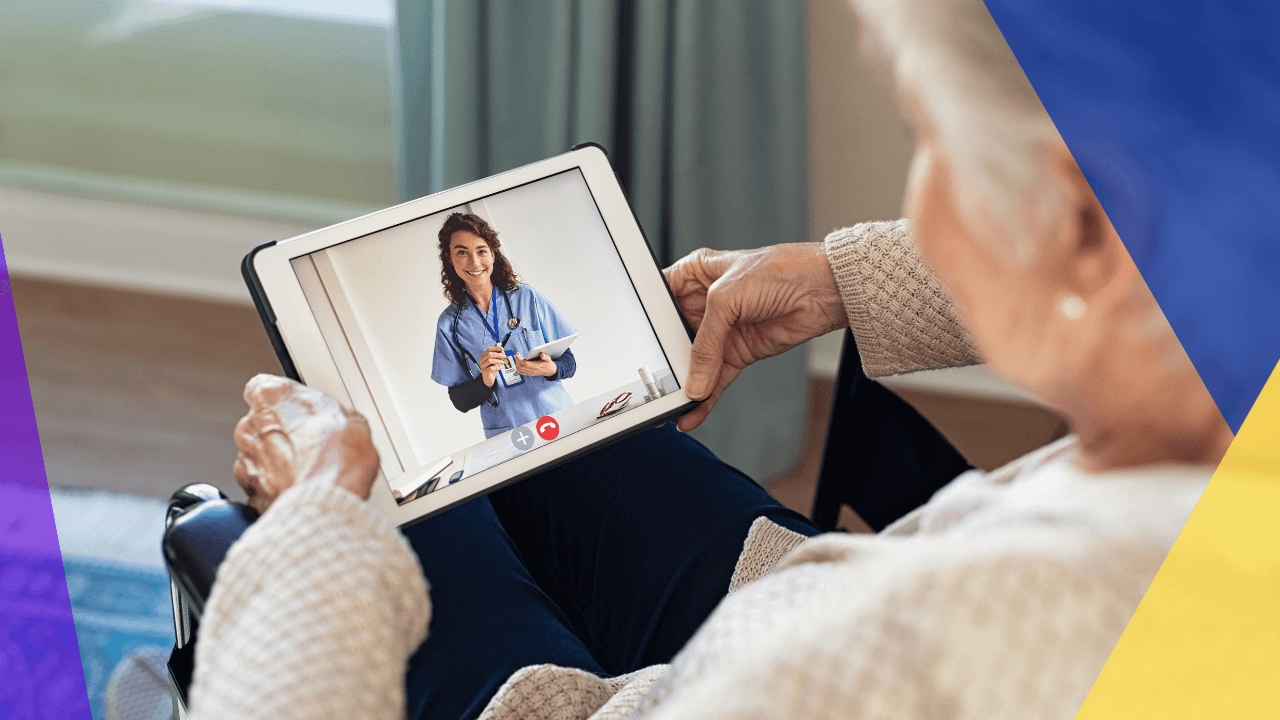
What is virtual nursing, and how does it help patients?
Virtual nursing lets registered nurses care for patients from a distance, using video calls, secure messaging, and connected health devices, so people get support without leaving home. Nursing is one part of a broader model, and virtual patient support extends remote care to scheduling, reminders, and follow-up between visits.
- It widens access to care, especially in remote areas.
- It supports check-ups, chronic care, and follow-ups.
- It can lower costs and cut hospital readmissions.
Healthcare is shifting fast toward new ways to care for patients. Many of these changes make care easier to reach. Virtual nursing is one of the clearest examples.
Imagine quick access to a skilled nurse, with no need to travel. Help is ready in just a few clicks. This blend of technology and human care is now a daily reality, not a far-off idea.
In this article, we look at how virtual nursing improves the patient experience and health outcomes. Curious about this approach? Connext offers virtual nursing solutions that help your healthcare organization reach more patients than ever.
What is virtual nursing?
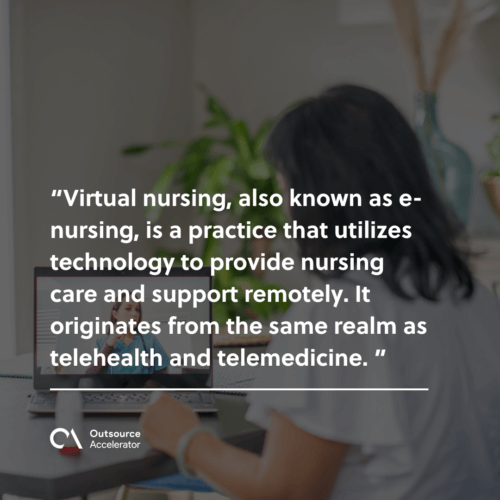
Virtual nursing, also called e-nursing, uses technology to give nursing care and support from a distance. It comes from the same field as telehealth and telemedicine.
Virtual nurses meet patients through digital tools instead of in-person visits. They offer a range of services, such as:
- Routine check-ups
- Chronic disease management
- Medication reminders
- Post-operative follow-ups
The aim is to close the gap in healthcare access. This matters most for people who struggle to get in-person care due to distance, mobility, or other barriers. In the same way, healthcare outsourcing helps providers stretch their teams further.
Technology and tools used in virtual nursing
Virtual nursing relies on several tools to give remote care well. Here are some of the key ones.
Telehealth platforms
These are full software tools that enable virtual visits between nurses and patients. They support real-time talk and keep care flowing. As a result, patient information stays organized and easy to manage. Many link up with telemedicine software as well.
Electronic health records
Providers store digital versions of patient histories using electronic health record (EHR) systems. These hold full patient data, such as:
- Diagnoses
- Medications
- Treatment plans
- Test results
They give nurses up-to-date information. Because of this, nurses can make better decisions and coordinate care.
Remote patient monitoring devices
Remote monitoring devices send health data to providers. These include wearable sensors, blood pressure monitors, glucose meters, and pulse oximeters.
They let nurses track vital signs in real time. So they can spot issues early and act fast.
Secure messaging tools
Secure messaging tools allow encrypted chats between nurses and patients. This keeps data private and meets health privacy rules.
These tools give patients a safe, easy way to ask questions and share updates. In addition, they can get guidance between visits. Good patient care coordination keeps every message and update in sync.
7 benefits of virtual nursing for patients
The benefits of virtual nursing for patients are many. Together, they improve access, engagement, and health outcomes. Here are seven key gains.
1. Increased access to care
Virtual nursing removes distance as a barrier. So patients in remote or underserved areas can get care without long trips.
This helps most for people with limited mobility or transport. As a result, more people get the care they need.
2. Convenience and flexibility
Patients can get care from home. This cuts travel time and keeps daily routines on track.
Virtual visits can often be set at a time that suits both sides. Because of this, care fits around life, not the other way around.
3. Personalized care and support
Virtual nursing allows more frequent, personal contact between nurses and patients. It builds stronger bonds and enables tailored, patient-centered care plans.
4. Empowerment and education
Patients can reach a wealth of health information through virtual nursing tools. This helps them take an active role in their care. In turn, they feel more confident about managing their conditions.
5. Improved health outcomes
Virtual nursing helps nurses spot health issues early. So they can step in and treat problems sooner.
It also makes ongoing support easier. As a result, patients manage symptoms better and avoid complications.
6. Reduced hospital visits and readmissions
Ongoing virtual support and monitoring cut the need for extra hospital visits. Because of this, readmissions drop. It also keeps care steady and lowers costs. Many providers add offshore healthcare support to keep this cover running around the clock.
7. Privacy and confidentiality
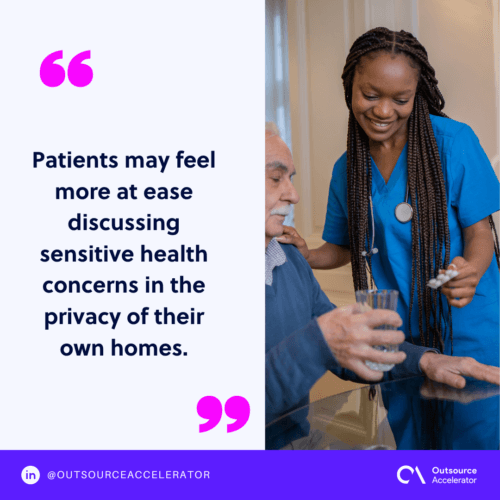
Patients may feel more at ease at home when discussing sensitive concerns. This often leads to more open talk and preserving confidentiality.
Connext’s virtual nursing services
Outsourcing virtual nursing can bring big gains to your healthcare organization. However, the right partner is key to quality care, patient safety, and compliance. Reliable BPO services for healthcare can make that choice easier.
Connext understands the challenges and chances of virtual nursing outsourcing.
Its team of qualified registered nurses, plus its talent and management solutions, gives you top expertise, smooth 24/7 support, and cost-effective staffing.
By working with Connext, you can make sure your patients get the highest standard of care through expertly managed virtual nursing services.
Virtual nursing FAQs
Is virtual nursing safe for patients?
Yes, when it follows health privacy and safety rules. Nurses use secure tools and trained judgment. For complex cases, they still refer patients to in-person care.
Can virtual nursing replace in-person care?
No, it works alongside it. Virtual nursing handles check-ups, monitoring, and follow-ups well. However, hands-on exams and emergencies still need in-person care.
What conditions suit virtual nursing best?
Chronic conditions, recovery after surgery, and routine monitoring fit well. Mental health support also works online. So many ongoing care needs can be met from home.
How does virtual nursing lower healthcare costs?
It cuts travel, hospital visits, and readmissions. It also catches problems early, before they grow. As a result, both patients and providers save money.






 Independent






