
Top 20 free telemedicine software


What is the best free telemedicine software?
The best free telemedicine software includes Medici, Doxy.me, OpenEMR, Mend, and Carepatron. In short, they let clinicians run virtual visits, manage records, and message patients at little to no cost.
- Most free plans cover core needs like video consultations, scheduling, and secure messaging.
- Many tools are HIPAA-compliant, which protects patient data during remote care.
- Paid upgrades add advanced billing, integrations, and higher patient volumes.
20 best free telemedicine software
- Medici
- Doxy.me
- TeleHab
- OpenEMR
- Mend
- CharmHealth
- TherapyNotes
- Medesk
- Carepatron
- VSee
- Cliniko
- doctoranytime
- PsyPack
- Carbon Health
- UVO Health
- Hypnotes
- OhMD
- DrChrono
- RxVantage
- Healthie
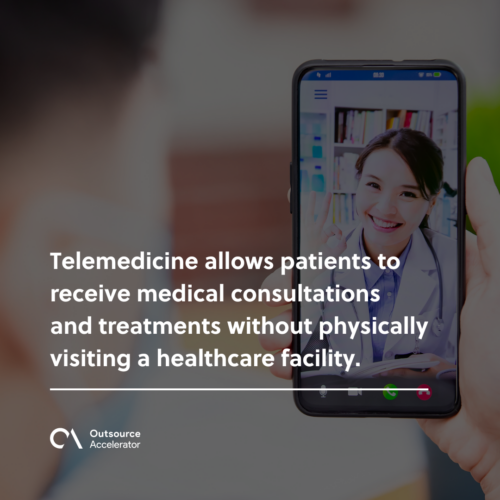
Free telemedicine software has grown popular over the past few years. As a result, it lets patients get medical consultations and treatment without a trip to a healthcare facility.
What is telemedicine?
Telemedicine is medical care given remotely through technology. For example, it uses video calls, remote monitoring, and electronic prescriptions. As a result, people can get medical advice and care without traveling to a hospital or clinic.
This technology lets healthcare professionals diagnose, treat, and monitor patients remotely. As a result, patients can get treatment in the comfort of their own homes.
Telemedicine can offer many telehealth services. For example, these include electronic prescribing, remote monitoring, and virtual consultations.
Benefits of telemedicine to healthcare providers
Telemedicine offers more than remote ease. As a result, most medical pros now hold at least some appointments online. Next, here are a few reasons why.
Convenience
Through telehealth software, patients no longer need to travel to a health center for care. In short, this helps most those in remote or underserved areas and those with physical limits.
Cost-effectiveness
Traditional medical care can be costly, especially for people without health insurance.
Telemedicine helps cut costs by removing the need for pricey equipment or subscriptions. In addition, it lowers travel, lodging, and other costs tied to a clinic visit.
Remote patient monitoring
Telemedicine also supports many exams and procedures. For example, these include e-prescribing, video consultations, and remote monitoring. As a result, healthcare pros can meet patients’ specific needs and offer a wider range of services.
Enhanced continuity of care
Telemedicine helps improve continuity of care. Because patients can keep getting advice and treatment from a trusted provider, they need not find a new one. As a result, pros can better track progress and adjust treatment plans as needed.
Enhanced health access
Thanks to telemedicine, patients in remote or underserved areas gain easier access to care. Because local facilities may be limited, remote consultations help bridge that gap. In short, they deliver treatment that would otherwise be hard to reach.
Top 20 free telemedicine software
As telemedicine grows, more free telemedicine software keeps emerging, each with different features. Next, here are 20 leading options that medical pros and firms can use.
1. Medici
Medici is a telemedicine tool that lets medical pros consult patients virtually. For example, it can serve a range of clinical specialties, including primary care and mental health.
Its telehealth features include live video visits, remote patient monitoring, and e-prescribing. In addition, the tool comes in free and paid versions and offers a free trial.
2. Doxy.me
Doxy.me is another telemedicine tool for virtual visits between patients and healthcare pros. In short, it is among the top free telemedicine software used to schedule appointments, manage patients, and run video and audio consultations.
One key feature is a safe place for patients to store and share medical records. Moreover, the platform complies with HIPAA rules. Doxy.me is free, but users can upgrade to a paid plan for more features.
3. TeleHab
TeleHab is telemedicine software that gives rehabilitation services remotely. For example, this can include physical therapy, occupational therapy, and speech therapy.
The software lets patients connect with therapists using video calls and other digital tools. In addition, it offers remote monitoring and progress tracking. In short, TeleHab suits patients who cannot attend in person due to distance or mobility issues.
4. OpenEMR
OpenEMR is a web-based app that offers electronic medical records (EMR), medical billing, and patient scheduling. For example, its EMR feature includes custom forms, demographic-based patient reports, note-taking tools, and digital document storage.
Moreover, OpenEMR is completely free and recognized by the Office of the National Coordinator for Health Information Technology (ONC).
5. Mend
Patients and healthcare pros can connect and share files using Mend, a web-based healthcare communication tool. For example, it uses file sharing, video calls, and messaging that meet HIPAA rules. In addition, its drag-and-drop design makes sharing simple.
6. CharmHealth
Small and midsize ambulatory care clinics can create and manage patient documents online with CharmHealth’s electronic health records (EHR) system. For example, its document tool lets users upload handouts, x-rays, consent forms, and other files. In addition, staff can group or tag them into folders for easier access.
7. TherapyNotes
TherapyNotes lets doctors and mental health pros manage admin and operational tasks. For example, it handles scheduling, notes for medication and psychotherapy, and electronic claims and payment. In short, the tool suits behavioral health clinics of all sizes, including psychotherapy, psychiatry, counseling, and social work.
8. Medesk
Independent surgeons, pediatricians, ophthalmologists, and other healthcare firms can use Medesk. For example, it streamlines steps for patients, online scheduling, and electronic health data. In addition, admins can send follow-up visits and appointment reminders via text and email from one screen.
9. Carepatron
Carepatron aims to improve healthcare efficiency, results, and satisfaction. For example, the tool lets pros see more patients, organize schedules, and take notes in one place. Because it automates busy work, users can stay on top of their to-do list and focus on what matters most.
10. VSee
VSee is another telemedicine tool that lets medical pros consult with patients virtually. For example, its features include encrypted communications, electronic prescribing, and video calls.
11. Cliniko
Cliniko helps healthcare firms of any size manage pros and patients across many locations. For example, features include online booking, scheduling, billing and invoicing, patient records, real-time alerts, and statistical reports. In addition, Cliniko offers a free 30-day trial and is completely free for charity groups.
12. doctoranytime
doctoranytime is a program for managing and scheduling appointments. As a result, it helps healthcare providers and patients talk better. For example, it assists millions of patients in finding the best physician or facility based on their needs, location, and past client feedback.
13. PsyPack
PsyPack is an internet-based psychological assessment tool for behavioral health pros. In short, it supports both in-clinic and online use. For example, its large set of standard psychometric tests lets users measure and track healthcare outcomes with precision. In addition, the platform offers clinical documents, evaluation steps, and clinical guides.
14. Carbon Health
Carbon Health is one of the leading free telemedicine software and healthcare technology companies. As a result, it offers many digital health services. For example, it runs a network of clinics and medical centers where patients can get in-person and virtual visits, staffed by seasoned pros.
15. UVO Health
UVO Health is a web-based telemedicine platform that lets firms run HIPAA-compliant virtual visits. For example, users can manage and deliver remote post-procedure check-ins, patient education, and care management on one platform.
16. Hypnotes
Hypnotes is a practice management tool that combines several features in one place. For example, it includes note-taking, scheduling, document signing, payments, invoicing, reminders, and video calls. As a result, users can manage their practice on one platform.
17. OhMD
OhMD is another top free telemedicine software that is HIPAA-compliant. As a result, it gives patients easy access to care without a clinic visit. For example, features include encrypted messaging, electronic prescription, and video calls. In addition, it links with EHR systems so pros can reach patient data instantly.
18. DrChrono
Healthcare pros can manage patient intake, care, clinical charting, billing, and RCM using DrChrono’s iPad and iPhone-compatible EHR and medical billing software. For example, it holds real-time eligibility checks, scheduling tools, e-prescribing, custom medical forms, and a patient portal. In addition, providers can add documentation or notes to a medical record.
19. RxVantage
The cloud-based healthcare management platform RxVantage simplifies how doctors and representatives talk. For example, main features include online scheduling, automated rule enforcement, in-app messaging, a searchable local rep directory, and real-time alerts. In addition, the tool helps with booking optimization and finding patient assistance programs and co-pay cards.
20. Healthie
Healthie serves healthcare pros such as dietitians, therapists, and others. As a result, it lets them run virtual visits, track patient progress, and manage their practice. For example, features include scheduling, electronic health records, billing and payments, and secure messaging, plus links with health and wellness apps for a fuller view of patient health.
How to choose free telemedicine software
First, start with the care you deliver. For example, therapists may prefer TherapyNotes or Hypnotes, while primary care clinics may lean toward OpenEMR or DrChrono. Because free tiers differ, confirm patient limits, HIPAA compliance, and integrations before you commit.
In addition, test the patient experience yourself. If joining a visit feels clunky, patients may skip appointments. As a result, that cuts the value of any free telemedicine software you adopt.
Frequently asked questions
Is free telemedicine software HIPAA-compliant?
Many are, including Doxy.me, Mend, OhMD, and UVO Health. However, you should still confirm the vendor signs a business associate agreement before handling patient data.
What features should free telemedicine software include?
At a minimum, look for secure video visits, appointment scheduling, and encrypted messaging. In addition, electronic health records and e-prescribing are valuable for clinical work.
Is completely free telemedicine software reliable?
Some tools, like OpenEMR, are fully free and widely used. Others offer a free plan or trial, then charge for advanced billing, integrations, or higher patient volumes.
Can free telemedicine software handle billing and records?
Yes. For example, platforms such as OpenEMR, DrChrono, and Healthie combine telehealth with EHR and billing features. As a result, clinics can manage care and admin together.
Who benefits most from free telemedicine software?
Small practices, solo practitioners, and clinics in underserved areas benefit most. Because startup costs are low, they can offer remote care without heavy upfront spend.
Key takeaways
- Free telemedicine software lets clinicians run virtual visits, manage records, and message patients affordably.
- Medici, Doxy.me, OpenEMR, Mend, and Carepatron rank among the most popular options.
- Match the tool to your specialty, then confirm HIPAA compliance and patient limits.
- Fully free tools exist, but many charge for advanced billing and integrations.
- Small practices and underserved clinics gain the most from low-cost remote care.






 Independent





