
5 significant types of telepharmacy

What are the 5 main types of telepharmacy?
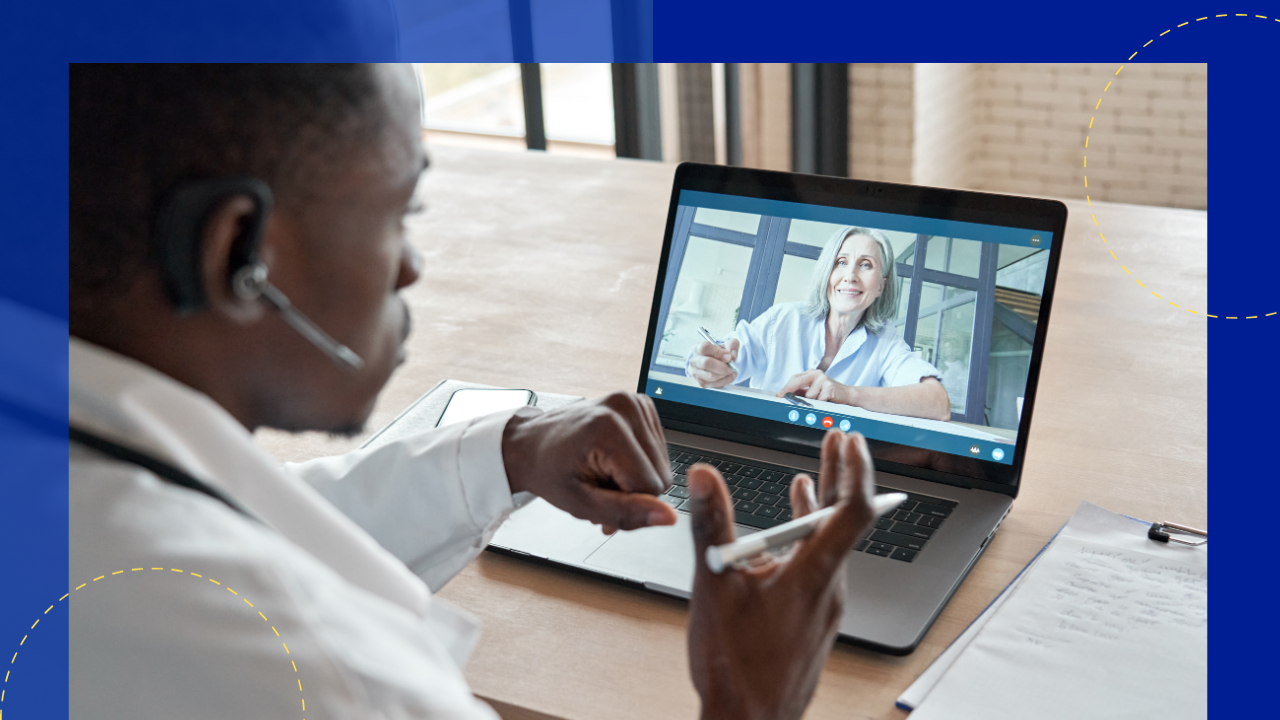
Telepharmacy is the remote delivery of pharmacy care, and it comes in five main types: remote medication dispensing, specialized services, medication therapy management, medication synchronization, and emergency response.
- It lets pharmacists help patients who live far from a pharmacy.
- It uses phones, video calls, and secure apps to connect people fast.
- It makes safe medicine access easier for rural and busy patients.
Digital tools have changed healthcare fast. Telemedicine and telehealth now make care easier to reach. As a result, telepharmacy has become a key part of modern care.
In fact, telepharmacists can work miles from a store. Still, they can serve patients who need help right away.
What is telepharmacy?
Telepharmacy is a special field within telemedicine. It focuses on the remote delivery of pharmacy services. In short, it relies on digital tools and electronic messages to work.
The main goal is simple. Telepharmacy aims to bridge geographical gaps. Because of this, pharmacy care can reach people in remote areas or those who cannot travel.
This approach connects patients with pharmacists online. As a result, it makes essential pharmacy services far easier to get. Many providers now use telehealth outsourcing for the same reason.

How does telepharmacy work?
Telepharmacy uses modern telecom tools to link pharmacists and patients. So the two sides can meet and talk from anywhere.
The process often starts when a patient reaches out. They can do this through a few simple channels, such as:
- A mobile app
- An easy-to-use website
- A simple phone call
At this first step, patients may share key details about their needs. For example, they might provide:
- Prescription details
- Over-the-counter medicine needs
- Any relevant health information
Next, a licensed pharmacist reviews the patient’s information in full. Above all, patient safety comes first in telepharmacy.
The pharmacist then holds a virtual consultation with the patient. This can happen by video, phone, or secure message. During this talk, the pharmacist learns about the patient’s health and any worries they may have. Some teams pair this with telehealth support to guide patients through each step.
Once the pharmacist is sure the medicine is right, they can dispense it remotely. Patient counseling matters a lot here. As a result, pharmacists can explain proper use, side effects, and drug interactions. This dispensing often comes from a central pharmacy that sits far from the patient.
5 types of telepharmacy
Telepharmacy takes many forms to serve a wide range of needs. Here are the five main types of telepharmacy.
1. Remote medication dispensing
Remote medication dispensing is one of the core parts of telepharmacy. In short, it lets patients get their prescribed medicine without visiting a store.
In fact, this type helps patients with chronic conditions who need regular refills. As a result, it improves access and helps people stick to their treatment plans. Patients still get the same quality medicine, but with far more convenience.
Here is how it works:
- Automated dispensing systems (ADS): ADS uses robotics and automation to dispense medicine with accuracy. Patients can pick it up at a kiosk or have it sent to their door.
- Medication packaging: Pharmacies use special packs that sort medicine by dose and time. So patients with complex plans find it much easier to follow.
2. Specialized telepharmacy services
Specialized telepharmacy services meet unique healthcare needs. They also help patients stick to their medicine by offering expert care from afar.
These services support specific conditions or groups, such as:
- Geriatric care: Telepharmacy can manage medicine and offer advice made for older adults.
- Pediatric care: These services focus on children’s needs, including correct doses and forms.
- Hospice and palliative care: Patients in end-of-life care can get help to manage symptoms and medicine.
- Psychiatric medication management: Telepharmacy supports mental health patients with medicine reviews and counseling.
As a result, patients get expert guidance that fits their health needs. This model works well alongside broader healthcare outsourcing programs.
3. Medication therapy management
Medication therapy management (MTM) is vital for patient care. It matters most for people who take several medicines at once.
Key parts of MTM through telepharmacy include:
- Medication review: Pharmacists check for drug interactions, side effects, and ways to simplify a plan.
- Patient education: Pharmacists teach patients about their medicine and why it helps to take it as directed.
- Personalized care plans: MTM builds plans that fit each patient, so outcomes improve.
- Regular monitoring: Telepharmacists also run remote patient monitoring to keep therapy safe and effective.
Because of this, MTM makes medicine safer and helps patients reach better health. It also links closely with pharmacy benefit management when plans and costs come into play.
4. Medication synchronization
Medication synchronization, often called med sync, lines up refills on the same day each month. Telepharmacy makes this easy by letting patients handle refills from home.
This setup offers a few clear benefits:
- Better adherence: Med sync cuts missed doses and keeps medicine simple to manage.
- Fewer pharmacy trips: All medicine ships together, so patients make fewer visits.
- More convenience: Patients pick up everything at once, which saves time and effort.
Also, med sync is a key part of pharmacy practice. It helps most for patients with chronic conditions who take many medicines.
5. Emergency response telepharmacy
Emergency response telepharmacy is vital during crises and disasters. In fact, community pharmacies use it to give fast, useful help in sudden events.
This type offers the following benefits:
- Disaster preparedness: Remote pharmacies can stock key medicine and supplies for emergencies.
- Teletriage: Pharmacists can assess patients from afar and advise when to seek care.
- Access to medicine: Patients in hit areas can still get medicine when local sites are closed.
So this type acts as a lifeline during natural disasters and other emergencies. As a result, care stays within reach when people need it most.
Telepharmacy: Extending healthcare access remotely
Telepharmacy is a strong force in modern care. Above all, it extends healthcare access to remote and underserved groups.
When telepharmacy joins daily practice, patients get quality care without the limits of a store. As a result, health outcomes and well-being improve.
It helps to compare a traditional store with telepharmacy services. Meanwhile, the impact on community pharmacies matters too. Some clinics fund these tools by trimming costs through outsourced medical billing.
We looked at the five main types of telepharmacy. Clearly, this model crosses distance and reaches many niches.
Frequently asked questions about telepharmacy
What is telepharmacy in simple terms?
Telepharmacy is pharmacy care given from a distance. Pharmacists use phones, video, and secure apps to review, dispense, and explain medicine.
Is telepharmacy safe for patients?
Yes. A licensed pharmacist reviews each case and counsels the patient. As a result, safety checks stay in place, just as they do in a store.
Who benefits most from telepharmacy?
In fact, people in rural areas gain the most. It also helps older adults, busy workers, and patients with chronic conditions who need regular refills.
How is telepharmacy different from telehealth?
Also, telehealth covers many remote medical services. Telepharmacy is one part of it, and it focuses only on pharmacy care and medicine.
Can telepharmacy dispense medicine remotely?
Yes. Through automated systems and med packaging, pharmacies can send medicine to a kiosk or a patient’s door.
Key takeaways
- Telepharmacy delivers pharmacy care from a distance using simple digital tools.
- Its five main types cover dispensing, specialized care, MTM, med sync, and emergencies.
- A licensed pharmacist reviews and counsels each patient, so safety stays first.
- It helps rural, older, and chronic-care patients reach medicine with ease.
- As a result, telepharmacy widens healthcare access and improves patient outcomes.






 Independent





