
Results-only work environment: A quick overview


The old nine-to-five office model feels dated to many teams today. More and more, work is about output, not hours at a desk. So the results-only work environment, or ROWE, keeps drawing attention.
What is a results-only work environment?
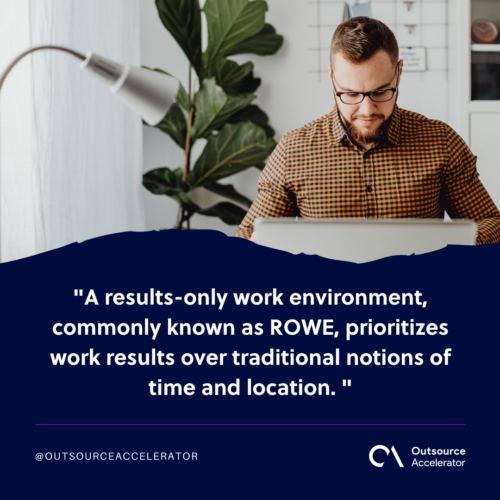
A results-only work environment (ROWE) is a work model that judges people on results, not on hours or location.
- Staff choose when and where they work.
- Managers track outcomes, not desk time.
- Clear goals and trust hold the whole thing together.
In a ROWE, employees meet their targets on their own terms. As a result, they get real freedom over their day. Service providers such as 123Employee show this model in outsourced services. They aim for strong results through close teamwork.
How does a results-only work environment work?
Here is how a ROWE usually works in practice.
Focus on results
In a ROWE, the main focus is the outcome. So employees rank tasks by impact and importance. As a result, they use their time and tools well.
Clear expectations
Clear talk and shared goals matter most here. Managers work with their teams to set measurable targets. First, they define specific goals and deadlines. As a result, everyone knows what to deliver and by when.
Trust-based culture
Trust sits at the core of a results-only work environment. Managers trust their people to:
- Manage their time well
- Make responsible choices
- Deliver results without constant checks
In turn, employees trust that their work will be seen and valued. So the setup builds mutual respect and accountability.
Continuous feedback
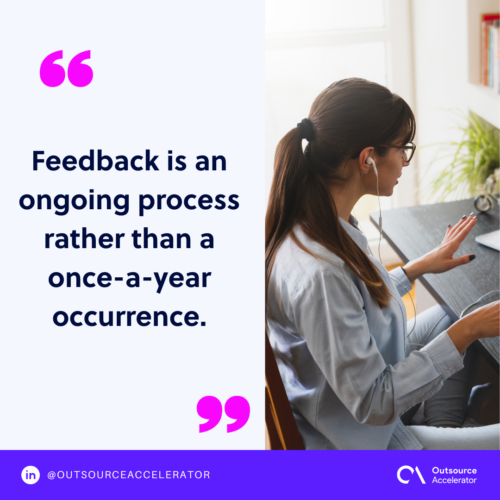
Feedback here is ongoing, not a once-a-year event. Managers hold regular check-ins to help employees:
- Stay on track
- Solve problems early
- Keep improving their work
Because of this, people get the support and guidance they need. This kind of loop also lifts day-to-day employee engagement.
Advantages of a results-only work environment
A ROWE brings clear gains for both staff and companies.
Increased productivity
One big plus of ROWE is higher output. When the focus is results, not hours, people tend to work smarter. In fact, many teams find that remote work can lift productivity when goals are clear.
Improved work-life balance
ROWE supports a healthier work-life balance by giving people control over their time. So they can work remotely or shift their hours as needed. As a result, they juggle personal and work life with less stress.
Enhanced employee engagement
In a ROWE, people feel more invested in their work. Letting them own projects and make calls builds a sense of ownership. As a result, this drives up job satisfaction, motivation, and commitment.
Attraction and retention of talent
ROWE is a strong way to attract and retain top talent. In today’s tight job market, flexibility and autonomy appeal to many candidates. So a ROWE helps people feel valued, which keeps them around longer.
Cost savings
A results-only work environment can also cut costs. When staff work remotely, firms spend less on overhead, such as:
- Office space
- Utilities
- Other running costs
In addition, ROWE can lower turnover and the cost of hiring and training. Over time, these savings add up.
Disadvantages of a results-only work environment
ROWE has real upsides, but it also brings some risks.
Difficulty in measuring performance
One main challenge is measuring how people perform. Unlike traditional work environments, ROWE looks only at outcomes. As a result, it is hard to track each person’s progress. Without clear metrics, reviews can turn subjective.
Lack of collaboration and communication
Remote work sits at the heart of ROWE. Still, it can weaken day-to-day teamwork. Without face-to-face chats, people may struggle to work together. So a strong remote work culture matters more than ever. Over-reliance on chat tools can also cause mix-ups.
Potential for burnout
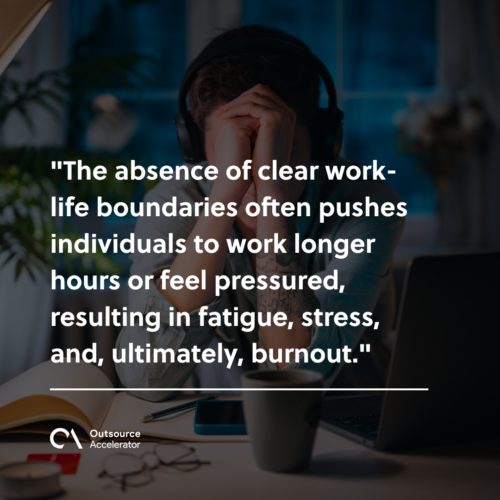
Flexibility is a hallmark of ROWE. However, it can also lead to burnout. Without clear limits, people may work longer and feel more pressure. As a result, fatigue and stress can build. A few simple habits can help you avoid work-from-home fatigue.
Risk of disengagement
Some people struggle without structure and supervision. Without regular contact, they may feel cut off from the team. This can lead to lower motivation and lower job satisfaction. In the end, output can drop too. Still, clear goals and feedback help keep people focused.
Challenges in managing remote teams
Managing remote teams brings its own hurdles in a ROWE. Without in-person oversight, managers lean on digital tools to track work. As a result, the job gets harder across time zones and cultures.
Is a results-only work environment for you?
So is a results-only work environment right for your company? The answer depends on your culture, industry, and team needs. ROWE offers many benefits, yet it is not without trade-offs. It also pairs well with a hybrid work setup for teams that want some office time. First, try a small pilot. Then gather feedback before you roll it out widely.
Results-only work environment FAQs
What does ROWE stand for?
ROWE stands for results-only work environment. It is a model where staff are judged on results, not hours. So people choose when and where they work.
Is a results-only work environment the same as remote work?
No, the two are not the same. Remote work is about location. Meanwhile, ROWE is about how you measure success. You can run a ROWE in an office, though many firms pair it with remote work.
How do managers track performance in a ROWE?
Managers set clear, measurable goals up front. Then they review outcomes against those goals. As a result, regular check-ins and simple metrics keep progress visible.
What types of companies suit a ROWE?
Firms with clear deliverables tend to do best. For example, software, marketing, and many outsourced teams fit well. Roles that need fixed shifts, like some support desks, may fit less.
How do you start a results-only work environment?
Start small with one team or project. First, set clear goals, agree on metrics, and build in feedback. Then review the results before you expand.






 Independent





