
Outsourcing in the Philippines: your definitive guide


What makes outsourcing in the Philippines a top choice?
Outsourcing in the Philippines works because the country pairs low costs with skilled, English-speaking talent and strong government support.
- The Philippines is a world leader in call centers and business process outsourcing (BPO).
- Filipino workers offer strong English skills and close cultural ties to the West.
- Firms cut costs while keeping high service quality.
Business process outsourcing means hiring an outside team to run parts of your operations. The model has grown fast worldwide. Still, it is not new. In fact, it has helped companies lower costs for more than two decades.
The industry keeps growing because of global competition and new technology. As a result, more firms now send work offshore each year. Today, the Philippines sits at the center of that shift.
The BPO industry in the Philippines
The outsourcing industry in the Philippines has come a long way. The first contact center opened here in 1992. Since then, growth has been steady and strong.
Next came a key law. The Special Economic Zone Act of 1995 created the Philippine Economic Zone Authority (PEZA). As a result, the sector became more investor-friendly. In addition, it gave locators tax perks that still draw firms today. You can review the current PEZA incentives and requirements before you set up.
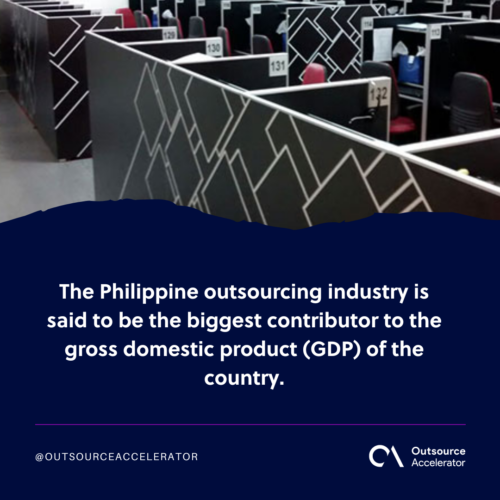
Today, BPO is one of the most active industries in the country. It covers eight sub-sectors, namely:
- Call centers
- Medical transcription
- Software development
- Engineering design
- Game development
- Animation
- Knowledge process outsourcing
- Back offices
The sector is a major driver of the gross domestic product (GDP). In fact, the IT-BPM industry earned about $38 billion in revenue in 2024. Moreover, it grew 7 percent that year. You can see how deeply it shapes the economy in this look at BPO’s role in Philippine economic growth.
The Bangko Sentral ng Pilipinas has noted that BPO earnings rival money sent home by Overseas Filipino Workers. So the sector now stands as a core pillar of national income.
The Philippines keeps rising as a favorite BPO destination. Analysts have long praised it as a leader in customer service and business process management. It is also home to many multinational firms and shared service centers. For more context, see why the country is often called the top outsourcing destination.
Top 6 reasons to outsource in the Philippines
English language proficiency
English fluency is a big reason firms pick the country. Filipinos also share close cultural ties with the United States and the United Kingdom. So teams here handle Western clients with ease. In addition, workers rank high on global business English measures. This helps them manage complex calls and written tasks well.
Cost-effective outsourcing in the Philippines
Foreign firms get more for their money here. That is the main goal of outsourcing, which is to lower costs. Still, low labor rates are only part of the story. The quality of Filipino work is what makes the country stand out.
The country has a high literacy rate. Also, top universities produce skilled graduates each year. To compare pay levels, review the average salary in the Philippines before you plan a budget.
The cost gap with Western markets is wide. As a result, a firm can get the same work for a fraction of the price. With a small spend, you avoid heavy costs for office space, gear, and hiring. The BPO partner handles all of that instead.
So firms enjoy fair salary rates and low running costs. By handing off certain tasks to an offshore team, you keep service quality high. Meanwhile, you free up cash for growth. The cost of doing business keeps rising. Because of this, outsourcing is a smart move for many firms.
Cultural advantage
Filipinos adjust to other cultures with ease. This comes from a mix of Western and Southeast Asian influences. So cultural fit becomes a real edge. As a result, working with Filipino teams feels smooth for many clients. A poor cultural fit, by contrast, can hurt customer service fast.
Data privacy protection
Republic Act 10173, the Data Privacy Act of 2012, strengthens the sector. Foreign firms now know the country follows global data privacy standards. This matters most for HR and healthcare work, since both handle sensitive data.
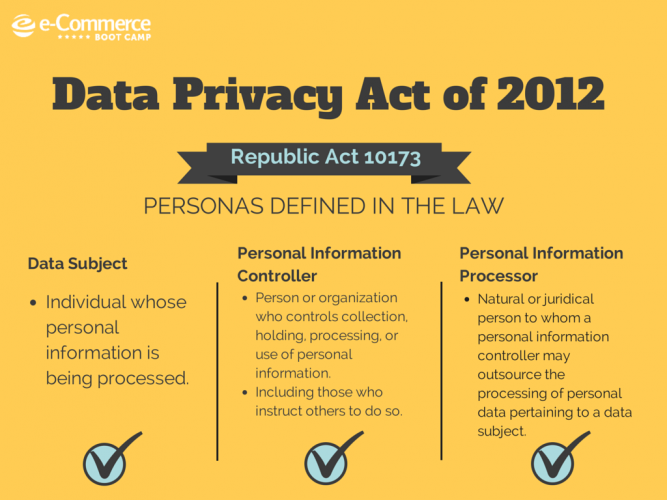
The law requires BPO firms to protect any personal data they handle. As a result, industry groups say it lifts investor confidence in the country.
Government support and political will
The government backs the sector because of its value to the economy. So it keeps investing in roads, transit, and technology. This spending has opened up more economic zones across the country.
The government also works with universities to build BPO-ready courses. In addition, it funds ongoing training through the Technical Education and Skills Development Authority (TESDA). Because of this, the talent pool keeps growing. To see which jobs firms hire for most, review these common roles outsourced to the Philippines.
Positive attitude
Filipinos are known for staying upbeat, even under pressure. This go-getter spirit makes them sought-after workers worldwide. It also makes them strong long-term team members.

A firm that outsources here can focus on bigger goals. There is trust that the work will be done well and on time. Filipinos are also known for patience. So they thrive in roles that deal with people from many cultures.
India vs. the Philippines
For years, India led the global outsourcing market. However, the Philippines has caught up fast. As a result, it now poses a real challenge to India’s outsourcing industry.
India still has several large hub cities. Still, the Philippines is close behind. Manila leads the local list. Other strong hubs include Cebu City, Davao City, Bacolod City, and Sta. Rosa.

Filipinos adapt well to any setting. So it is easy to build teams with a neutral accent through training. Years of exposure to Western media and culture help workers pick up foreign idioms fast.
Both countries are developing markets with lower costs. Still, many firms now prefer the Philippines. One reason is staff turnover, which tends to run lower here. Filipino workers are also known for loyalty to jobs that pay well.
Competition between the two markets is stiff. As a result, both industries stay vibrant. So the Philippines, with its low cost and high quality, keeps gaining ground.
Outsourcing in the Philippines: quick tips and tricks
When the going gets tough, go outsourcing
Every firm, big or small, needs extra help at times. Common needs include admin, accounting, and other skilled tasks. When that need shows up, it makes sense to delegate. So you get high-quality work at a fair cost. Instead of hiring more staff, why not outsource? To weigh the case, review these top reasons companies outsource.
Fewer woes, more productivity
Outsourcing does more than deliver results. It also frees up time for bigger priorities. Best of all, it can lift productivity at a low cost. So you get the best of both worlds.
Create a shortlist of outsourcing companies
First, decide which tasks you want to outsource. Once that is clear, build a shortlist of firms. Next, weigh each option with care. Location matters too, since it can affect how smoothly the work gets done. Start your search with a trusted company that will handle your requirements.
Take stock of equipment, software, and staff
Some tasks need special skills or tools. So identify the software you will need first. This helps you pick the right partner for the job. Also weigh other factors. These include the number of people needed, the hours required, and a clear budget.
Get a quote
With those factors set, ask for quotes from your shortlist. Firms offer many services at different rates. Still, the lowest quote is not always the best fit. So weigh the pros and cons before you choose.
Stay in the know
Knowledge is power in this space. So keep up with the latest outsourcing news and trends. The Source is a handy news portal about all things outsourcing.
If it all feels like a lot, help is available. You can always turn to Outsource Accelerator to make the task easier. So you can skip hours of research and get straight to a smart decision.
Frequently asked questions
Why is the Philippines good for outsourcing?
The country blends low costs with skilled, English-speaking talent. It also offers strong cultural fit with Western clients. In addition, the government backs the sector with training and tax perks.
How big is the BPO industry in the Philippines?
The IT-BPM industry earned about $38 billion in revenue in 2024. It also employed roughly 1.82 million full-time workers. So it remains one of the country’s largest economic pillars.
What tasks can I outsource to the Philippines?
Common tasks include customer support, back office work, and accounting. Firms also outsource software development, medical transcription, and design. So most non-core work can move offshore.
Is outsourcing in the Philippines cheaper than in India?
Both markets offer low costs. Still, many firms pick the Philippines for its English skills and cultural fit. Lower staff turnover is another common reason.
How do I choose an outsourcing partner?
First, decide which tasks to outsource. Next, build a shortlist and request quotes. Then compare quality, location, and price before you commit.
Key takeaways
- Outsourcing in the Philippines pairs low costs with skilled, English-speaking talent.
- The IT-BPM sector earned about $38 billion in 2024 and remains a top economic pillar.
- Strong cultural fit and government support give the country a lasting edge.
- Data privacy law protects sensitive HR and healthcare work.
- Shortlist firms, request quotes, and weigh quality over the lowest price.
Wrapping up
Every growing company can gain from outsourcing. When that need arrives, you do not have to look far. The Philippines is now home to many capable firms. So you, too, can make it a reliable partner as you grow. Whether you are a startup or an established brand, the right partner can help you make a smart move.






 Independent





