
Everything you need to know about first call resolution


First call resolution is the ability to fix a customer’s issue on the very first contact. It can be frustrating when a problem is not solved on that first call.
It also hurts the customer service team and the wider company. After all, poor service is a bad look for any brand.
A top goal of any support team is quality service. As a call center representative, you need to solve problems on the first call. This article covers why first call resolution matters, its best practices, and tips to lift your team’s results.
What does first call resolution mean?
First call resolution is when an agent fully resolves a customer’s request during the first interaction.
- It measures how well agents fix issues on the first try.
- It works across phone, email, and chat.
- It links closely to customer satisfaction.
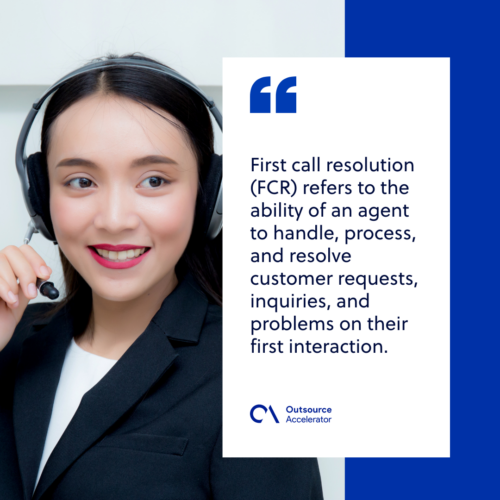
First call resolution (FCR) is also called first contact resolution. It refers to the ability of an agent to handle, process, and resolve customer requests, questions, and problems on the first interaction.
Traditionally, teams handled FCR by phone. Now, thanks to new tech, they also cover it by email, chat, and other channels. So it stays a key metric for leaders to judge agent skill and knowledge.
How do you measure first call resolution?
You can find the rate with a simple formula. Divide the resolved calls by the total customer calls each day.
First call resolution = Total number of resolved calls / Total number of customer calls
What is a good first contact resolution rate?
According to SQM Group, a good first call resolution rate is 70% to 75%. This is the industry standard for taking and resolving calls.
An after-call survey matters just as much as the fix itself. The data gets stored for later use. As a result, it can point to specific areas to improve. Tracking call center metrics like this keeps teams on target.
Why is first call resolution important?
First call resolution shows the skill of the support team. It also reflects how well managers train their staff.
Tracking it helps you gauge customer satisfaction. The faster you fix an issue, the happier the customer. So retention tends to rise too.
A strong rate does more than lift satisfaction. It also shows an efficient team. In addition, it makes customer relationship management much easier.
First call resolution best practices
Like any process, first call resolution has best practices. Here are the main ones.
Practice active listening
Active listening is a core support skill. It sits at the heart of every customer chat. Even when someone is upset, remember they have dealt with the issue for a while.
So listen closely to catch details that help. This small step boosts satisfaction. Strong customer service standards start right here.
Minimize the waiting time
Shorter waits mean happier customers. After all, no one enjoys a long hold, especially with an urgent issue.
So cut the wait by sharing tasks evenly among active agents. As a team leader, make sure no one is overloaded while others sit idle.
Have an easily accessible knowledge base
An easy knowledge base improves the customer experience. People can find answers without calling support.
For example, a good FAQ page helps a lot. Company modules with product details help too. A customer service portal is another handy tool.
When customers answer their own questions, repeat calls drop. So agents carry a lighter load, and the experience improves.
Get as much information as you can
Support agents learn to ask probing questions during a chat. Make sure your agents know the company and its products well.
Customers prefer an agent who has the answers or knows who does. So learning more and asking for help cuts repeat calls and waits. Regular call center coaching keeps this knowledge fresh.
Don’t be afraid to ask for help
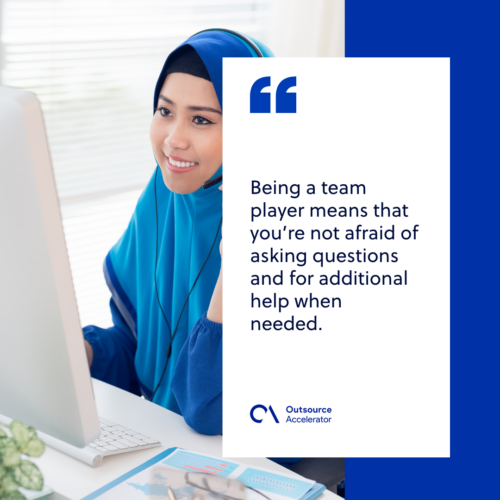
To lift your rate, pass hard questions to someone with more knowledge. Being a team player means you ask for help when needed.
Most tricky calls get solved when several people weigh in. Even if it does not count toward your first call resolution rate, it still makes for great service.
3 basic tips to improve first call resolution
First, spot your agents’ weak points that lead to poor service. Then train and mentor them on best practices. Also brush up on their product knowledge.
As a team, stay proactive about account updates. Keep these strategies in mind:
- Stay on topic. If the chat drifts, steer it back to the issue.
- Ask relevant questions. Follow-up questions help agents pinpoint the problem.
- Internalize one-on-one coaching. Use each session to show what agents can improve.
Again, first call resolution is a skill you can teach and grow. It also depends on the call flow and the type of issue. Strong results here lift your wider areas of customer service.
Frequently asked questions about first call resolution
What is a good first call resolution rate?
Most experts point to about 70% to 75%. This range is the common industry standard. A higher rate usually means happier customers.
How do you calculate first call resolution?
Divide resolved calls by total customer calls each day. The result is your first call resolution rate. Track it over time to spot trends.
Why does first call resolution matter?
It shows how well your team solves issues fast. It also drives customer satisfaction and retention. So it is a key sign of support quality.
How can teams improve first call resolution?
Train agents, build a strong knowledge base, and cut wait times. Active listening helps too. Coaching keeps skills sharp.
Key takeaways
- First call resolution fixes a customer’s issue on the first contact.
- A good rate sits near 70% to 75%.
- You measure it by dividing resolved calls by total calls.
- Active listening and short waits lift the rate.
- Coaching and a strong knowledge base drive better results.






 Independent





