
Why employee performance monitoring is a must

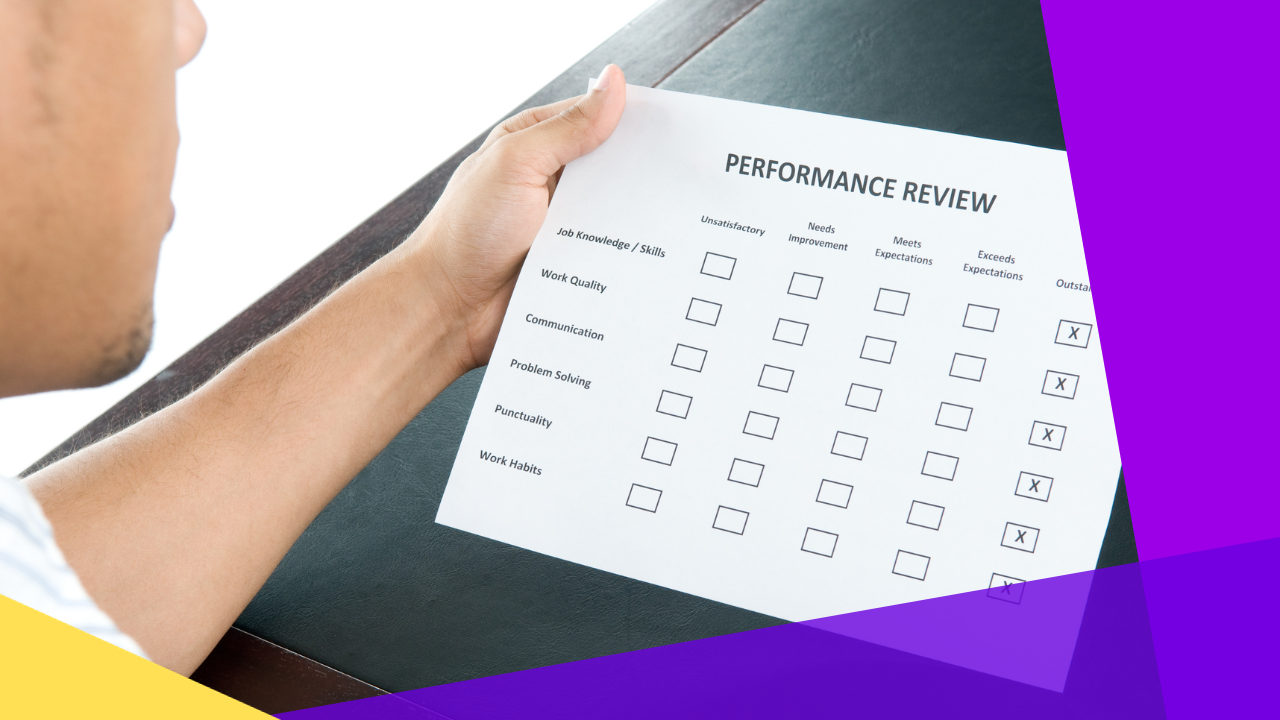
What is employee performance monitoring and why does it matter?
Employee performance monitoring is the ongoing practice of tracking, measuring, and improving how your team works so effort stays tied to company goals.
- It shows clear data on productivity, behavior, and results.
- It highlights each person’s strengths and areas to improve.
- It links daily work to the wider goals of the business.
Every business wants to grow. Still, growth needs a clear view of how people actually work. Without a fair way to measure output, it is hard to know if goals are met. So employee performance monitoring fills that gap. It gives leaders a simple way to assess and support their managing workforce dynamics.
What is employee performance monitoring?
Employee performance monitoring is a systematic way to evaluate and manage your team. In short, it tracks productivity, behavior, and results over time.
It uses many methods to do this. For example, it can range from qualitative assessments to data-driven analytics. As a result, leaders get a full view of how each person and team performs.
This view highlights strengths and gaps alike. Meanwhile, it keeps individual effort aligned with the goals and vision of the company. Because of this, monitoring becomes a growth tool, not just a check.
Benefits of employee performance monitoring
Employee performance monitoring is about far more than supervision. In fact, it brings a wide set of gains that strengthen the whole business.
Improved productivity
First, tracking output helps lift productivity across the team. It works like a lens that reveals bottlenecks. So leaders can spot what slows people down and fix it.
As a result, companies unlock more of their team’s potential. Meanwhile, people feel set up to do their best work. In turn, this feeds the overall success of the firm. A clear performance system makes these gains repeatable.
Enhanced accountability
Next, monitoring builds a culture of transparency and ownership. Transparency within the organization lets workers take charge of their tasks. So they feel more responsible for the results.
This sense of ownership spreads beyond one person. Meanwhile, it moves through teams and departments. As a result, everyone knows their role and owns their part. Strong employee accountability becomes the norm, not the exception.
Better decision-making and planning
Monitoring also creates a rich store of real data. So leaders gain insights they can trust when they plan. The numbers act like a compass for strategy.
As a result, teams respond faster to market shifts. Meanwhile, the business keeps its competitive edge sharp.
Tips for monitoring employee performance
Use these simple strategies to monitor performance well.
Set clear expectations
First, spell out what good work looks like. So define the performance indicators for each role. Then link those roles to the goals of the business.
When expectations are clear, people know exactly what is asked of them. As a result, they gain focus and direction. Meanwhile, ambiguity drops and purpose rises.
Use metrics and data
Next, lean on metrics and data for a fair view. Data-driven insight removes guesswork from reviews. So you see real contributions, not just impressions.
Key performance indicators, analytics tools, and qualitative checks all help here. Together, they let you track progress and spot patterns. For teams that need software, useful employee monitoring tools can automate much of this.
Apply 360-degree feedback
Also try 360-degree feedback for a fuller picture. This method gathers input from peers, reports, and managers. As a result, you see performance from many angles.
This broad view builds a strong feedback culture. Meanwhile, it moves beyond top-down reviews alone. So people gain more chances to grow.
Recognize and reward employees
Then make a habit of rewarding employees who do well. Praise and incentives are powerful motivators. So they lift morale and build loyalty.
Recognition also ripples across the team. As a result, it creates a culture where good work is celebrated. Simple engagement tools can make this easy to run.
Address performance issues promptly
Finally, act fast when problems appear. Quick fixes stop small issues from growing. So talk with the employee to find the root cause. It may come from:
- Skill gaps
- Lack of resources
- Other factors
This calm, early approach lets you offer the right support. As a result, people can clear obstacles and improve. Setting the right goal metrics also helps, so it is worth learning the difference in OKRs versus KPIs.
Master employee performance monitoring
To master employee performance monitoring, stay open to change. Work shifts fast, so your methods should too. As a result, you must review your approach often. Catalyst BPX‘s BPO services can assist you in this.
Meanwhile, apply the tips above to your current process. In this way, you can help improve how you monitor your team.
Employee performance monitoring FAQs
Here are common questions about employee performance monitoring.
What is the goal of employee performance monitoring?
The goal is simple. It keeps daily work tied to company goals. So it helps leaders spot strengths, fix gaps, and support growth. As a result, both the team and the business improve.
What metrics should you track?
Start with a few clear metrics that match each role. For example, track output, quality, deadlines met, and customer results. Meanwhile, mix hard data with regular feedback. In short, choose metrics you can act on.
How often should you review performance?
Frequent, small check-ins beat one big yearly review. So many teams hold weekly or monthly touchpoints. As a result, issues surface early and stay small. Still, keep a longer review for bigger goals.
Does monitoring hurt employee trust?
Not when it is done openly. First, explain what you track and why. Then use the data to support people, not to punish them. As a result, monitoring can build trust rather than erode it.
Is employee performance monitoring useful for remote teams?
Yes. Remote work makes clear tracking even more useful. So set clear goals and use shared tools for visibility. Meanwhile, focus on results, not just hours online.






 Independent





