
8 tips for an effective mass hiring process


What is the best way to run an effective mass hiring process?
The best mass hiring process pairs clear planning with smart tools so you fill many roles fast without losing quality.
- Define your needs, budget, and timeline before you start.
- Use a team and technology to screen a large applicant pool.
- Prepare onboarding early so new hires settle in fast.
Fast-growing businesses often see higher turnover. For example, rapid growth changes a company’s structure, processes, and culture. As a result, some staff feel overwhelmed and look elsewhere. So mass hiring becomes key. When a business grows fast, it must hire many people in a short time. Whether you expand, face seasonal peaks, or fight high turnover rates, mass hiring is a skill worth mastering.
Understanding mass hiring
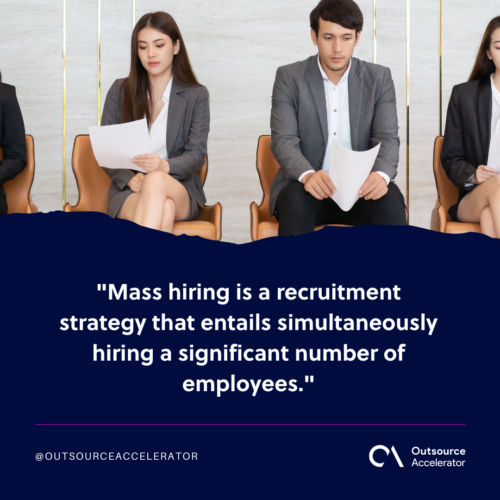
Mass hiring is a strategy that fills many roles at once. In short, it goes well beyond normal recruitment volume.
Specific business needs usually drive it. One common driver is growth. As firms expand, they need more hands for reasons like:
- Opening new branches
- Expanding into new markets
- Diversifying product or service offerings
Another driver is seasonal demands. For example, retail, hospitality, and agriculture shift with the seasons. So retailers may need extra staff for the holiday rush. Sudden shortages can also spark mass hiring. In such cases, firms must act fast to keep things running.
Importance of efficient mass hiring
Efficient mass hiring is more than filling seats. In fact, it is a strategic need in busy markets.
Timely hiring lets a company seize growth without staffing limits. However, a slow response can cost you revenue and upset customers. Moreover, efficient hiring helps you meet peak demand in seasonal fields like tourism. So you avoid overloading your team in the off-season.
When shortages hit, fast hiring prevents disruption. As a result, a well-run process quickly refills the team. In turn, it cuts downtime and helps in preventing a backlog of unfulfilled orders.
Challenges in mass hiring
Mass hiring brings clear benefits, but also unique challenges. So you must understand and address them. Reviewing common recruitment challenges is a good first step.
High volume of applicants
The biggest challenge is the sheer number of applicants. When you post many roles, you may get thousands of resumes. As a result, sorting them drains time and resources.
So many firms use applicant tracking systems (ATS) and automated screening. For example, these tools filter out people who miss key criteria. In turn, your team can focus on the strongest candidates.
Limited time for screening and interviewing
Mass hiring needs a fast process. When you fill many roles quickly, HR teams have little time to:
- Thoroughly screen applicants
- Conduct interviews
- Make well-informed hiring decisions
So this time crunch can lead to rushed calls. Therefore, set a clear timeline and rank tasks by priority. As a result, your team uses the limited time well.
Difficulty in maintaining consistency in evaluation
Consistent evaluation gets harder as the pool grows. Uneven reviews can cause biased choices. As a result, hire quality drops.
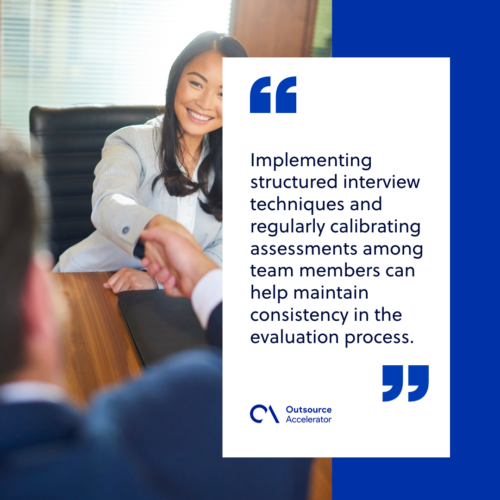
So set standard criteria and train your team to judge fairly. For example, structured interview techniques and regular calibration keep reviews steady. In turn, you reduce recruitment bias. Clear screening methods support this too.
Possibility of burnout among hiring teams
The pressure to fill roles fast can wear out HR teams. So heavy volume and urgency can cause burnout. In turn, team output and focus drop. To address this, firms should offer:
- Fair workload distribution
- Adequate support to HR teams
- Encouragement to take breaks and practice self-care
Good project management and clear talk also help. As a result, tasks stay doable. Remember, staff well-being drives long-term success.
8 tips to make mass hiring more efficient
Now that the stakes are clear, let us dive into eight tips to streamline your process.
1. Define your hiring needs
First, understand your hiring needs. So identify the exact roles you must fill. This means a full look at your current team and future demand. Ask questions like:
- What roles are key to your growth goals?
- What skills should these candidates have?
By defining needs, you build a roadmap for the recruitment process. As a result, you stay focused and avoid rushed calls. Moreover, a clear plan targets people who fit your goals.
2. Set a clear budget and timeline
Effective mass hiring rests on solid planning. First, set the budget for the process. For example, weigh job ads, software, background checks, and staff costs. A clear budget gives you the resources to run the plan well.
Next, set a realistic timeline for each stage. Rushed hiring leads to weak choices. Meanwhile, a slow process loses good candidates. So a balanced timeline helps you secure the right talent at the right time.
3. Create a hiring team
Mass hiring is complex, so it needs teamwork. Assemble a dedicated hiring team with clear roles. Your team should include:
- Recruiters
- Interviewers
- HR personnel
- Support staff
A cohesive team spreads tasks well. For example, recruiters source candidates while interviewers assess fit. As a result, the process runs smoothly. In addition, clear communication keeps everyone aligned.
4. Streamline the application process
A clunky application can scare off good candidates. So keep it simple and ask only for key details upfront. Let people upload their resumes and cover letters to save time. In addition, make sure your online form is easy and mobile-friendly. As a result, you lift both the quality and size of your applicant pool.
5. Develop a user-friendly career portal
Your career portal is often a candidate’s first touchpoint. So make it leave a good impression. Design it to be clean and clear. Share your company’s culture, values, and mission. Also highlight the perks of working with you, such as:
- Career growth opportunities
- Employee benefits and unique perks
- Company culture
- Support for long-term career planning
A strong portal can attract top talent. As a result, it sets the stage for a successful campaign.
6. Build an effective screening process
With a big pool, an efficient screening process is crucial. So set criteria that help you spot qualified people fast. These should match the skills and traits each role needs. As a result, only the best candidates move ahead. Smart candidate sourcing feeds this pool with better prospects.
7. Implement automated assessments
Use technology to make assessments fair and fast. For example, add online skills tests or personality checks to your screening. These tools cut the bias of manual reviews.
Automated checks also help you find the best fit quickly. As a result, you focus time on the people most likely to excel. In turn, recruitment automation leads to smarter, faster hiring.
8. Prepare onboarding materials in advance
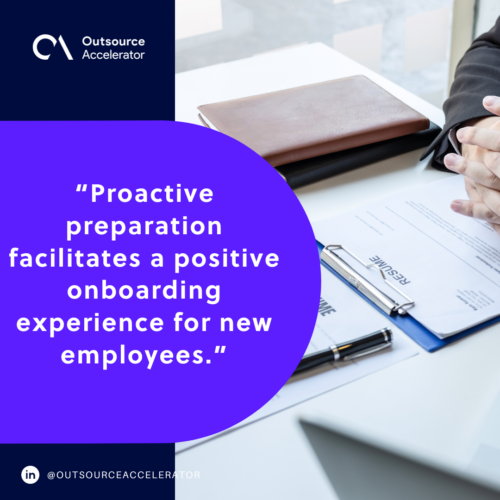
Finally, plan for smooth onboarding, above all when hiring many people at once. So prepare training modules and paperwork well ahead. As a result, new hires settle in fast and operations hold steady. In addition, early prep eases the load on your HR team. In turn, they can focus on welcoming new talent.
Scale up your mass hiring to attract top talent
Efficient mass hiring is about quality as much as quantity. By following these eight tips, you can balance speed and quality. So remember, a well-run process sets the stage for growth. Strong onboarding practices for new hires keep that talent on board.
Frequently asked questions
What is mass hiring?
Mass hiring is the practice of filling many roles at once. So it goes beyond normal recruitment volume. Firms use it for growth, seasonal peaks, or sudden shortages.
How do you screen a high volume of applicants?
Start with clear criteria and an applicant tracking system. For example, automated tools filter out weak fits. As a result, your team reviews only the strongest candidates.
How long should a mass hiring process take?
It depends on the number of roles and your resources. Still, a clear timeline for each stage helps. So you avoid both rushed calls and lost candidates.
What tools help with mass hiring?
An ATS, automated assessments, and a simple career portal all help. In addition, structured interviews keep reviews fair. Together, these tools speed up the process.
How do you keep quality high during mass hiring?
Set standard criteria and train your team to judge fairly. Also use structured interviews and skills tests. As a result, you hire fast without losing quality.






 Independent





