
3 failproof ways to motivate employees to work from the office


How do you motivate employees to work from the office?
You motivate employees to work from the office by building a supportive environment, offering face-to-face coaching and social events, and adding real perks and growth opportunities.
In short, people return when the office gives them something home cannot. So make the trip worth it. Here is what works best:
- A warm, supportive team culture that values each person.
- In-person coaching and events that build real connection.
- Perks and clear paths for career growth.
Many firms now ask staff to return to the office after years of remote work. However, a lot of people still prefer the comfort and reduced hassle of home. So leaders need a clear plan to win them back. Below are three failproof ways to encourage employees to work from the office again.
What is the work-from-office setup?
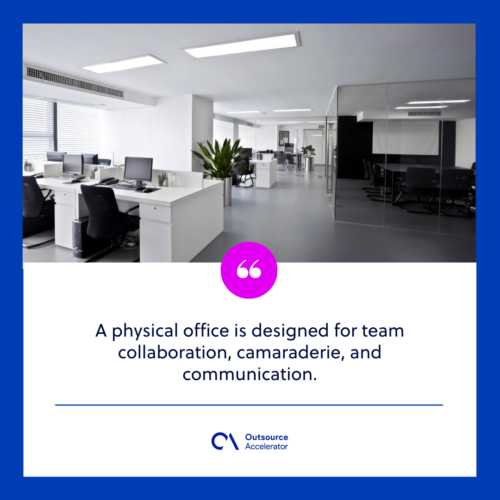
Work from office is the traditional setup for most firms. In this model, employees do their work in an office during set hours. A physical office is built for team collaboration, camaraderie, and communication. So working from the office grants face-to-face meetings and healthier team connections. As a result, staff can address issues with their superiors right away. This helps avoid confusion and misunderstanding. In addition, it supports productivity and a healthy work-life balance. Despite these benefits, about two-thirds of the respondents of a WeForum survey around the globe said they’d want to work flexibly. So business leaders are crucial for building a focused, collaborative office space.
Who works in an office setup?
Today, most office work happens in front of a computer. Some employees even work with outsourced team members to get the job done. So teams often blend in-house and remote staff under one setup. Here are the most common professions that work from office.
White-collar workers
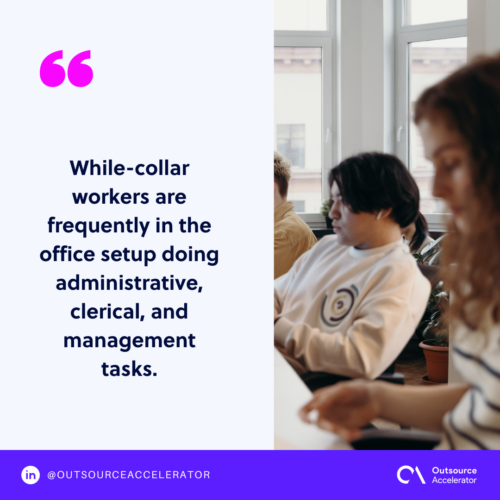
White-collar workers are often in the office doing administrative, clerical, and management tasks. The following are examples of white-collar workers:
- Accountants
- Architects
- Data-entry clerks
- Administrative and executive assistants
- Department and operation managers
- Social media marketer
- Writers
- Software developers
- Customer service
Below are also examples of office jobs that may need special equipment and face-to-face contact with clients:
- Laboratory technician
- Receptionist
- Store manager
- Health care practitioner
3 ways to motivate employees to work from office
Many companies now face the challenge of bringing their people back on-site. So here are three ways to motivate employees to work from the office.
1. Create a supportive and welcoming work environment
It is a no-brainer that people enjoy a supportive team. When a company values and motivates its staff, employees feel seen. In addition, good communication builds better relationships and deeper connections. So strong employee engagement brings many gains, such as:
- Enhanced productivity
- Increased commitment and work satisfaction among employees
- Reduced anxiety and exhaustion
- Improved communication and cooperation
- Boosted creativity and ingenuity
In addition, Leadership First said, “When employees respect each other and get along in the workplace, it’s amazing how productivity increases, morale increases, and employees are more courteous to customers.” So recognize the unique needs of remote employees. For example, offer hybrid options and flexible schedules. As a result, you keep a focus on well-being with breaks, realistic deadlines, and a healthy culture.
2. Implement face-to-face coaching and organize social events
Face-to-face coaching helps employees build better bonds with their team. Also, it gives them a chance to share ideas and information. In fact, 84% of respondents from the greatbusinessschools.org report prefer in-person meetings and conferences. In addition, an average of 13.36 ideas were generated in face-to-face meetings. That is higher than the 10.43 generated during virtual discussions. So social events, such as employee recognition and team lunches, pull people back on-site too. Working on-site can bring serious benefits for networking and well-being. While remote work solves some problems, the office still wins for real social interaction. As a result, remote workers feel connected to colleagues and culture. So engagement and productivity rise, and a supportive setup builds a loyal, committed workforce. A strong remote work culture can bridge both worlds.
Provide additional benefits, perks, and opportunities for career growth and development
Offering rewards and perks is an effective way to motivate staff to come back. For example, firms might provide free food and drinks, flexible hours, and gym memberships. Companies can also reward regular office attendance with bonuses or perks such as:
- Healthcare card
- Vouchers
- Transportation allowances
- Sleeping quarters, especially for night-shift employees
- Free lunch or dinner
Moreover, growth and development offer another strong pull. So invest in regular training, mentoring, and coaching. As a result, companies show they value their people and back their success. A clear path with hybrid work options can make the return feel fair.

Work from office or work from home: Which is better?
Both setups have clear upsides and downsides. If employees want to cut commute time and keep a flexible schedule, home works for them. However, if they want to boost productivity, understand the company better, and sharpen time management, the office fits. In addition, working on-site helps people build behavioral and interpersonal skills. So it also pulls them out of their comfort zone. Overall, the office is an excellent choice for those who want a productive yet sociable place to work.
Frequently asked questions about working from the office
Why are companies asking staff to return to the office?
Many leaders want stronger collaboration and faster problem-solving. So in-person teams can share ideas and fix issues on the spot. As a result, firms often see tighter culture and quicker decisions.
What are the main benefits of working from the office?
The office supports face-to-face meetings, mentoring, and social connection. In addition, it helps new hires learn the culture faster. So many people grow their skills more quickly on-site.
How can managers make the office worth the commute?
Offer real perks, clear growth paths, and a warm team culture. For example, add flexible hours, good food, and regular events. So the trip feels like a gain, not a chore.
Is a hybrid setup a good middle ground?
Yes, hybrid blends the focus of home with the connection of the office. However, it needs clear rules on which days people come in. So everyone can plan collaboration around shared on-site time.
How do you keep remote and office staff equally engaged?
Use shared tools, regular check-ins, and fair recognition for both groups. In addition, rotate key meetings so no one feels left out. As a result, the whole team stays connected.






 Independent






