
Targeted digital marketing 101

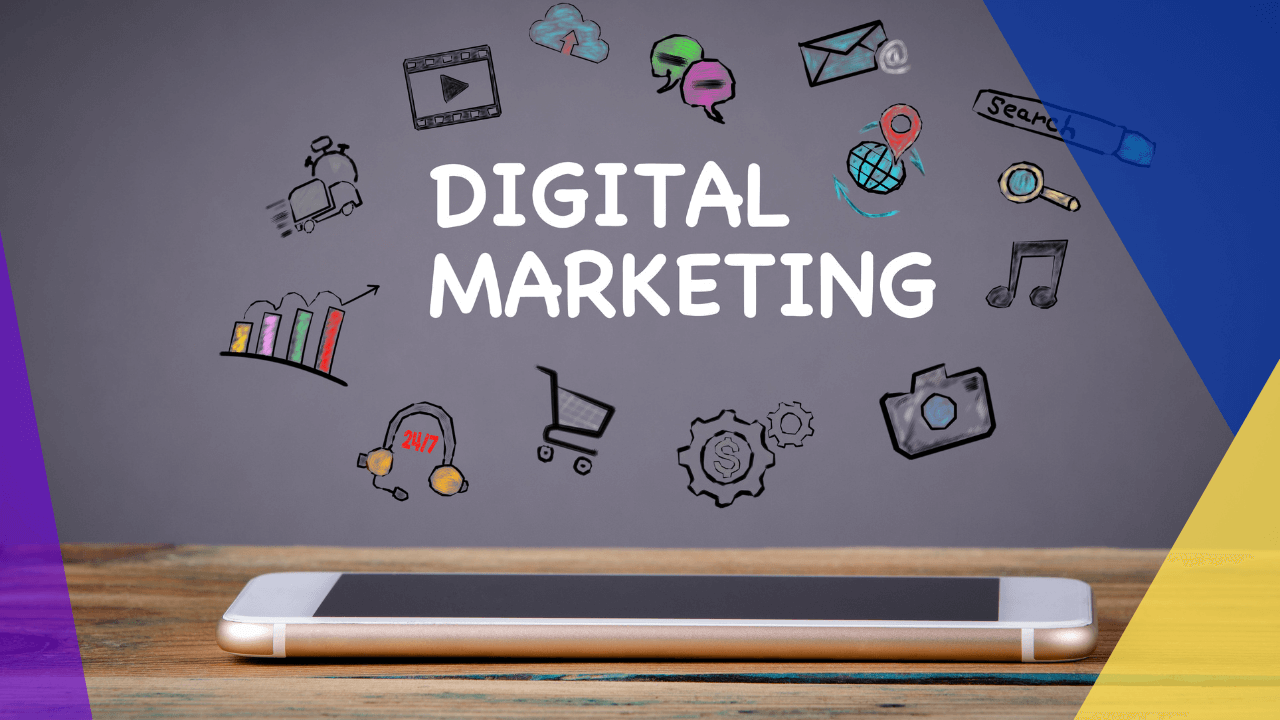
What is targeted digital marketing?
Targeted digital marketing uses data to send specific ads and content to the exact groups most likely to respond.
- It relies on data analytics to find the right audience for each campaign.
- It tailors ads and content to different sets of consumers.
- The result is less wasted spend and a better return on your effort.
If you spend time on online sales campaigns, you have likely seen the words targeted digital marketing in the mix.
The term keeps trending. That is because digital marketing channels have grown fast over the past few years.
So what is targeted digital marketing, exactly? Is it different from other online campaigns? Let us answer both questions here. You can also learn when to outsource digital marketing to a specialist team.
Defining targeted digital marketing
What is targeted digital marketing? In simple terms, it is a sharper, more specific branch of online campaigns. Marketers use data analytics to find campaigns that a certain group responds to well.
On top of that, targeted campaigns build specific ads and content. So each set of consumers gets a message made for them.
How companies use targeted digital marketing strategies
Businesses use targeted tactics to reach the right audience. So their online campaigns land where they should.
First, they identify their target market. Then they use different tactics to send well-made content across many platforms. A clear digital marketing strategy ties these efforts together.
The campaigns team works hard to make each push take off. As a result, targeted campaigns help that effort pay off.
4 popular targeted digital marketing strategies to try
Among all the options out there, these four approaches stand out. Experts use them often when they roll out targeted campaigns.
They share one trait. Each one lets consumers share the content they relate to.
In fact, sharing online content is much like the old “word of mouth” tactic.
Social media marketing
One of the oldest and most reliable tactics is social media marketing (SMM).
SMM is fairly easy once you learn the basics of social media marketing. Most platforms offer tools built for business. So it would be a mistake to skip this channel.
In addition, social media sites share data about their audience. This is a helpful tool for any business. Email is another strong channel, and an email marketing outsourcing partner can run it for you.
Handing over social media marketing to a reputable outsourcing firm like MVP Asia Pacific also significantly improves marketing campaigns.
Mobile marketing
Most searches and online buys now happen on mobile devices. So targeted campaigns cannot stop at ads made for computers and browsers.
Because of this, teams often outsource their app and mobile web development. They turn to freelancers, contractors, and others to keep up with demand.
Influencer outreach
You can find influencers and creators on almost every platform today. So the next smart move is to reach out for a partnership. This is the heart of influencer marketing.
First, though, companies must check each influencer. They need to know if the audience matches their target market. If it does, then it is just a matter of meetings and a signed contract.
Search engine optimization (SEO) marketing
Search engine optimization, or SEO, is one of the best targeted online tactics.
It works well with the rest of this list. Meanwhile, it pushes you to create content that is both relevant and marketable.
SEO best practices make sure every piece of content meets a high standard.
How can demographics help targeted digital marketing campaigns?
Demographics are the traits that set one part of an audience apart from another. In simple terms, they put helpful labels on groups of people.
Labeling audiences helps each campaign reach the right people. As a result, the marketing team’s effort does not go to waste.
5 crucial targeted online marketing demographics
These labels are some of the most useful ones companies track. So they watch them closely.
For example, one age group may engage more with older campaigns. That activity may prompt the team to refresh past content.
Age groups
You can split age groups into children, teens, young adults, middle-aged, and seniors. Still, that is just one way to define this label.
Sex and gender
Most social platforms now ask for a person’s gender identity and pronouns. This supports inclusivity.
Businesses get this data too. So they can shape content that feels welcoming for everyone.
Social standing
Social standing can mean many things. Here, it points to a person’s way of living. For example, someone with more means may have pricier taste than others.
This prompts the company to build a customer profile for that group. In fact, many businesses adapt brand archetypes to match most of their customers.
Occupation
In some cases, occupation is simply employed, student, or unemployed. Still, as times change, the meaning of this label shifts too.
Hobbies, likes, and dislikes
These three sit at the surface level of each audience member. For example, some people “like” everything on their timeline. Others curate their feed with care.
The major difference between traditional marketing and targeted digital marketing
The clearest difference is the medium that carries the content.
Traditional campaigns lean on print and broadcast media. Think billboards, newspapers, and posters in public spaces. Some are quite personal, such as notes and mailers. However, these methods now feel out of date.
By contrast, online interactions happen fast. They flow through laptops, tablets, and smartphones. This is the heart of digital marketing. So online campaigns can target people more closely and make each experience feel one of a kind.
To learn more about targeted digital marketing, feel free to reach out to the trusted experts at VirtualStaff.ph.
Frequently asked questions about targeted digital marketing
How is targeted digital marketing different from general digital marketing?
General digital marketing casts a wide net. Targeted digital marketing, however, narrows the focus. It uses data to reach the exact people who fit your product. As a result, your budget works harder.
What data do marketers use to target audiences?
Marketers use many data points. For example, they look at age, gender, location, interests, and past behavior. So they can build clear audience segments and match content to each one.
Can small businesses use targeted digital marketing?
Yes, they can. Even a small budget goes far with tight targeting. First, define a clear audience. Next, pick one or two channels. Because of this, small teams still see strong results.
Should you outsource targeted digital marketing?
Often, yes. An expert partner brings skills, tools, and data you may lack in-house. So you save time and reach your audience faster.






 Independent






