
Effective tips for successfully engaging a remote team
How do you keep a remote team engaged?
You keep a remote team engaged by staying connected, setting clear expectations, recognizing good work, sharing updates, and trusting people to manage their own time.
- Engagement is the energy and focus people bring to their work.
- Remote teams need extra effort to stay connected and valued.
- Small habits, done often, drive the biggest gains.
Remote work has been on the rise for years, and experts expect it to keep growing. However, managing a remote team is not always easy.
One of the biggest challenges in remote work is employee engagement. So this article can help you tackle that issue. Below, we explain how a remote team works, why engagement matters, and five simple strategies to keep your staff connected wherever they are.
Remote team definition
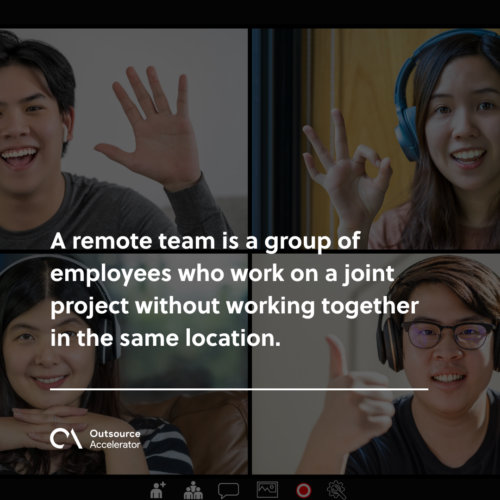
A remote team is a group of employees who work on shared projects without sitting in the same place. Some remote teams bring together different skills and cultures across many time zones.
Remote teams come in several forms. For example, some firms prefer a fully dispersed workforce that works away from the office. Others give staff a flexible option, while some hire top talent from other countries.
The importance of employee engagement in remote work
Employee engagement is how much mental, emotional, and physical energy people put into their jobs. For remote teams, it needs real attention. As a result, managers have to find creative ways to reach their work-from-home staff.
Likewise, a more engaged remote team cares about its work and tries hard on every task. In turn, those people give more time and effort to their roles and to company goals. So engagement is not a nice-to-have. It is the fuel that keeps a distributed team moving.
How to effectively engage with your remote team
Since remote work will continue for years, strong team management is essential. Use these tips to keep your remote team happy and productive while they are out of the office. For a broader view, these remote team management tips are a helpful starting point.
Stay connected
Today, technology makes remote work easier for everyone. Through various messaging applications like Zoom, Google Meet, Skype, and Slack, you can stay connected with the whole team.
So use email, chat, or video calls to help your virtual team feel present. In addition, team meetings and one-on-one chats are great for asking about concerns. After all, tasks and schedules are only half the job.
Set expectations
Still, engagement is easier when everyone knows what is expected. First, agree on the best ways and times to reach each other. After all, no one wants an urgent message five minutes before their shift ends.
Next, set clear expectations on workloads and deadlines, and ask for feedback. For example, a manager should never assume every employee fully understands each task.
Recognize contributions
According to Quantum Workplace’s 2020 report, recognition is a top driver of employee engagement. So acknowledging great work helps people feel connected, appreciated, and valued.
In addition, recognition boosts retention and motivates everyone to do their best. These employee recognition ideas for remote workers offer simple ways to start.
Keep them updated
Remote employees can easily miss the latest company news. Because of this, it is important to keep your team updated on projects, goals, and progress. Use clear communication channels or shared trackers to do it.
When remote workers feel part of the conversation, they feel more ownership of their roles. As a result, engagement tends to rise on its own.
Avoid micromanagement
One of the best parts of remote work is its flexibility. So give your employees enough freedom over when and how they work their shifts.
Avoid micromanaging their days, and trust them to finish on time. After all, trust is the key to a genuine relationship with your remote team. Plus, letting people manage their own time helps them build a healthier work-life balance at home.

Introducing The Remote Group’s team of specialists
One big advantage of remote work is that you can hire an outsourcing partner to help build your team. The right remote work tools and support make this far simpler.
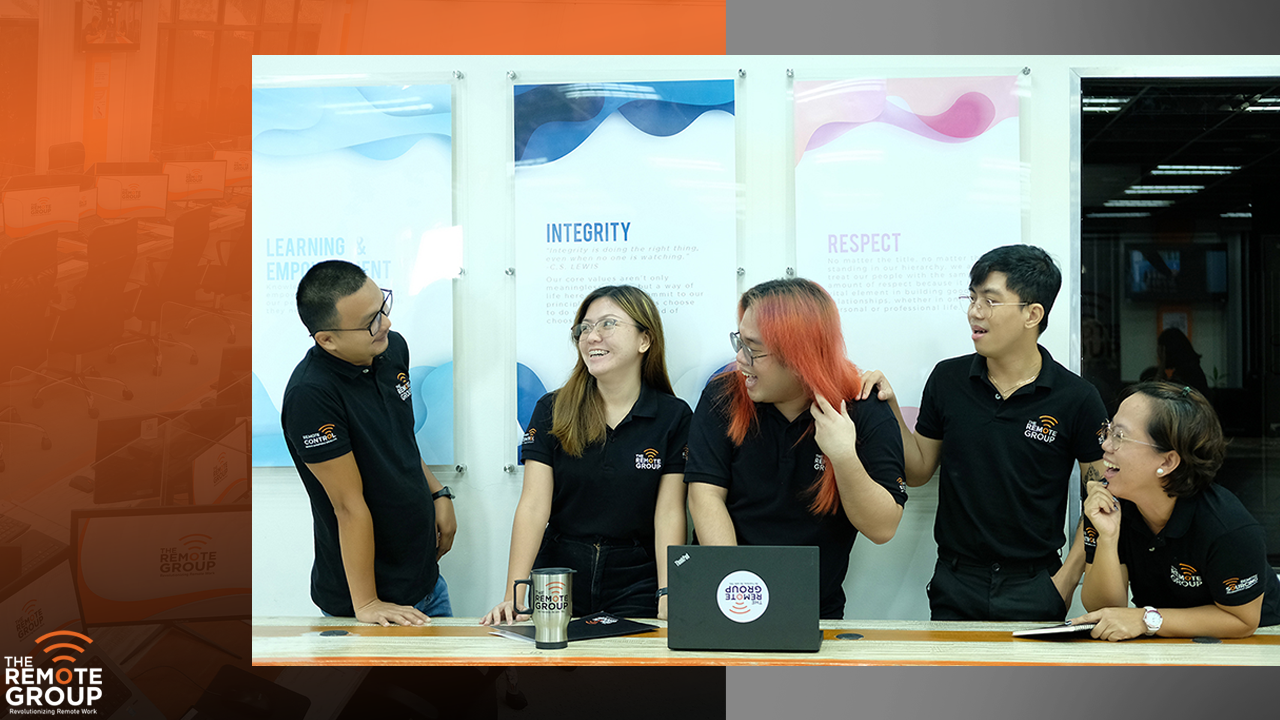
The Remote Group’s team of specialists can help drive your business forward, all while you reap the benefits of an offshore team. Their focus on custom offshore staffing lets you build or scale teams “remotely.” This Philippine-based firm offers world-class expertise to help your business grow in a cost-efficient, productive way.
Visit The Remote Group’s website now to learn more about their services.
Frequently asked questions
How often should you check in with a remote team?
For most roles, a short weekly one-on-one works well. Still, add a brief daily team huddle when a project is busy. The goal is steady contact without crowding people’s calendars.
What tools help the most with remote engagement?
Start with one chat app, one video tool, and one shared task tracker. Too many tools cause confusion. So pick a small, clear stack and make sure everyone knows how to use it.
How do you spot a disengaged remote worker?
Watch for quiet signs. These include slower replies, missed deadlines, less input in meetings, and little interest in new work. A kind, private check-in is usually the best first step.
Does recognition have to cost money?
No. In fact, a public thank-you, a shout-out in a team call, or a quick note often means a lot. Still, small rewards can help for major wins. The key is to make recognition regular and genuine.
Can small businesses engage remote teams well?
Yes. In fact, small teams often find it easier because communication lines are short. Clear expectations and steady recognition matter more than a big budget.






 Independent






