
What is internal communications?


Internal communications keep a team informed and working as one. Good communication clears up confusion. It also helps people share clearer thoughts. On top of that, it keeps the wider public informed.
Clear communication connects people and teams. It helps them share information and understand each other. In fact, the most important part of communication is easy access to information.
What is internal communications?
Internal communications is the flow of information inside a company that keeps employees informed and aligned.
- It shares news, goals, and updates across every team.
- It connects leaders with staff at all levels.
- It helps people do their jobs well and feel part of the company.
Defining internal communications
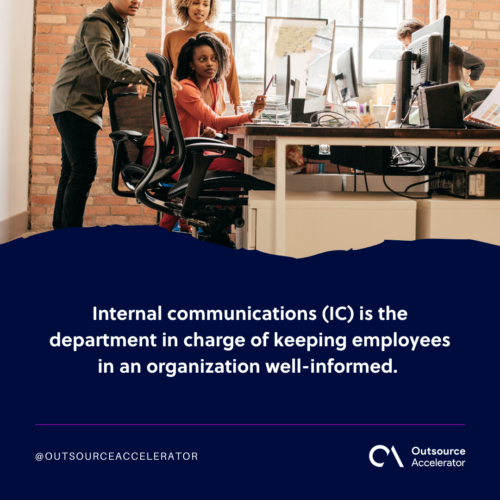
Internal communications (IC) is the department that keeps employees in an organization well-informed.
To do their jobs well, employees need to share information inside the company. So internal communication covers a set of linked activities. Together, these keep information flowing and teams working well.
It is a great way to keep people up to date. In short, the goal is to help information move across the company, between departments and staff.
Common forms of internal communications in the workplace
There is a wide range of internal communications in a company. Here are a few examples:
Leadership communication
For a company to work well, people must hear from its leaders. Still, leaders can struggle to stay in touch with everyone.
Senior leaders shape a company’s culture and direction. So it is vital that staff can see and hear them.
This matters even more in large firms. After all, many employees may never meet their senior leaders face-to-face.
Peer-to-peer communication
Peer-to-peer sharing is also called lateral communication. To build good internal communication, staff need real chances to talk with each other.
Peer-to-peer communication drives cross-team collaboration. For example, people swap ideas, ask questions, and support each other. As a result, strong employee engagement and better results tend to follow.
Information communication
One of the most important types of internal communication is sharing information. On company, legal, and process matters, the IC team must keep every employee informed.
Good information helps people work in a safe and effective way. In turn, customers notice the difference when an agent is well-informed.
Crisis communication
During a crisis, the right people need the right information fast. So if you build one strong part of internal communication, make it this one.
Unlike other types, a crisis often arrives with little warning. Because of this, a solid crisis plan lowers risk and keeps employees safe.
Examples of crisis communication include the following:
- Protocols set up before a crisis
- Taking accountability and responding well
- Sharing breaking news in real time
- Messaging across many platforms and devices
Bottom-up communications
Bottom-up communication means listening to every employee to make better choices. So the flow of information should not come only from the top.

What is an example of internal communication?
The following best practices can help your company stay competitive.
Here are common times when internal communication can be really useful:
Results attained as a group
Groups value praise just as much as individuals do. So recognizing a team or a department builds a sense of belonging. It is also a great way to spread news across the company.
Add these acknowledgments to your internal communications plan. As a result, the goodwill lasts long after the announcement.
Introducing new hires
Introducing new hires the right way brings many gains. For example, it helps them learn the new setting and meet the team.
Company events also lift morale and boost turnout. So a clear event announcement can build excitement early.
Teleconferencing with video
Video grabs attention, engages people, and adds a human touch. So it is one of the best ways to reach today’s workers.
To get attention, use push notifications. They come with most internal communications apps, and they let staff reply from their own devices. Many employee engagement tools now build these features in.
Transparent display of leadership
When times get tough, staff need a strong leadership presence. So your leaders play a key role in easing worries and reassuring the team. They also serve as key message carriers when speaking with customers.

Effective practices for internal communication
What you say and how you say it both matter. This is true above all for internal communications.
Here is a quick to-do list for effective internal communication:
- Use the right tools to communicate. This matters most for remote workers or a hybrid workforce. A shared team collaboration tool keeps everyone in sync.
- Use visuals, since they are easier to grasp than text. For example, Installing TVs in your workplaces lets you show visual messages instead of printed posters.
- Create channels for people to share thoughts and feedback. So gather input from both customers and employees. This also supports remote employee engagement.
Frequently asked questions about internal communications
What is the main goal of internal communications?
The main goal is to keep employees informed and aligned. It helps information move across teams and levels. As a result, people work better and feel part of the company.
What are the main types of internal communication?
Common types include leadership, peer-to-peer, information, crisis, and bottom-up communication. Each one serves a different need. Together, they keep the whole company connected.
Why is internal communication important?
It builds trust, clears up confusion, and speeds up decisions. It also lifts morale and engagement. In turn, well-informed staff give customers a better experience.
What tools support internal communications?
Many teams use chat apps, video calls, intranets, and email. Push notifications help messages reach people fast. So the right mix depends on your team size and setup.
How do you improve internal communications for remote teams?
Start with clear tools and regular updates. Next, use video and visuals to keep people engaged. Finally, create open channels so remote staff can share feedback too.






 Independent






