
10 ways to reduce employee churn


Businesses need workers who can get the job done. Still, smart firms do not treat staff as easy to replace. Instead, they invest heavily to keep good people.
A caring culture builds trust and a workplace where people thrive. As a result, staff feel valued and share more ideas. In turn, a healthy bond between managers and staff leads to better results.
What is employee churn?
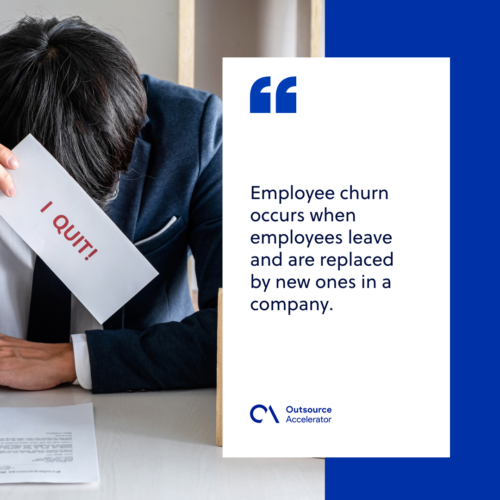
Employee churn is the rate at which workers leave a company and get replaced by new hires over a set period.
Here is what the term covers at a glance:
- It includes both attrition and turnover
- It counts both voluntary and involuntary exits
- It is usually shown as a percentage
To track it, you measure the employee churn rate. In short, this rate shows how many people leave over a given time.
How do you calculate employee churn rate?
The employee churn rate is the share of staff who leave the company. So it shows your exit rate for a set period.
To find it, take the number of people who leave during that time. Then divide by the average number of employees. Most teams work out this rate every month.
Why is it important to monitor employee churn?
Employee churn matters because it hits the whole company. It affects productivity, performance, and growth. So employers must keep a close eye on it. Tracking clear employee turnover statistics makes the trend easy to spot.
A high churn rate hurts a business in many ways. For example, it leaves you with a team of less experienced staff. It can also signal deeper problems inside the firm. When churn runs too high, you spend more on hiring and training.
Tips to avoid employee churn
Managing churn is hard for many teams. Still, a few clear steps can help you keep your people and avoid turnovers. These tips also help you solve common employee retention problems before they grow.
1. Hire culture fit employees
The easiest way to keep staff is to hire the right people first. So write a clear job description that both sides understand. Also, check whether the candidate fits your company culture.
2. Practice gratitude inside the workplace
Gratitude means showing thanks for what you receive. It highlights the good parts of daily work. So encourage your staff to be kind and helpful to each other.
Happy staff are less likely to quit. When burnout hits, a simple thank-you can recharge someone. So urge your team to notice the good and feel they belong.
3. Organize team-building activities
Good coworker bonds lift both output and morale. So firms that value retention should invest in these ties. To build a united culture, managers can run team-building events.
Well-connected teams also communicate better and get more done. Besides monthly events, team leads can hold quick informal meetings each week. As a result, strong onboarding practices help new staff settle into the team faster.
4. Allow flexible working hours
Employee satisfaction depends on a good work-life balance. So flexible hours help staff focus, which lifts output. In fact, flexible schedules are closely linked to happier teams. When you put staff first, the whole firm gains.
5. Show appreciation for hard work by rewarding employees
Show staff you value them by rewarding their wins and effort. Keeping people happy is key to holding on to them. There are many ways to reward your team. For example, a clear employee rewards program keeps recognition consistent. After all, training someone who later quits from feeling ignored wastes time and money for both sides.
6. Develop and implement training programs for employees
Training shows real care and commitment to your staff. So managers learn more about their people as they run these programs. Because of this, they can inspire staff to keep learning and sharpen their skills.

7. Provide quality feedback
Regular, positive feedback helps staff see the manager’s view. As a result, they stay longer when they feel you care about their growth. Here are some tips on providing feedback:
- Keep your emotions in check. Focus on the action, not the person.
- Know exactly why you are giving the feedback first.
- Help staff feel safe to ask for feedback and lead the talk.
- Keep feedback clear, solution-focused, and short.
8. Place more value on employee well-being
Staff well-being lifts company performance. When people feel well, they behave better and make smarter choices. So happiness feeds job satisfaction, fewer absences, and higher retention. For example, thoughtful employee wellness programs boost engagement and output.
9. Monitor employees who are causing problems
Toxic workers can drag down the whole team. Common signs include constant criticism of leaders, quick blame, and spreading rumors. Spotting these people is hard but vital.
Once you find the source, check if others clash with that person too. This way, you can act before the problem spreads. In addition, trust among colleagues and leaders can improve employee engagement, well-being, and work quality.
10. Improve employee engagement
It is smart to track engagement at all times. When staff feel they belong, they are less likely to leave. So team-building and yearly outings can help. The right employee engagement tools make this easier to measure.
Still, the bond between staff and supervisor matters most. When people feel engaged, they have a clear goal and a reason to stay inspired.
Frequently asked questions
What is employee churn?
Employee churn is the rate at which workers leave and get replaced over a set period. It covers both attrition and turnover, whether voluntary or not.
How do you calculate the employee churn rate?
Divide the number of staff who leave during a period by the average number of employees. Then turn it into a percentage. Most teams track it monthly.
Why is high employee churn a problem?
High churn leaves you with less experienced staff. It also raises hiring and training costs. In addition, it can signal deeper issues inside the firm.
What causes employee churn?
Common causes include poor culture fit, weak feedback, low pay, and burnout. A weak bond with managers also pushes people to leave.
How can you reduce employee churn?
Hire for culture fit and show real appreciation. In addition, offer flexible hours, training, and strong engagement. As a result, staff feel valued and stay longer.






 Independent





