
Boost customer satisfaction with these 5 in-app support best practices


What is in-app support and why does it matter?
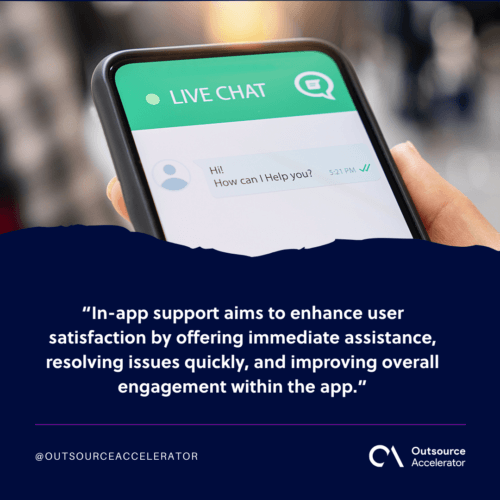
In-app support is help offered right inside a mobile app, so users can solve problems without ever leaving the screen.
- It includes live chat, FAQs, tutorials, and help centers built into the app.
- It gives fast answers, which cuts frustration and keeps users engaged.
- It builds trust and loyalty, so one-time users become repeat customers.
Indeed, great customer support is one of the keys to a thriving business. Today, most interactions happen online. So customers expect quick, useful help at their fingertips.
Strong online support does more than fix issues fast. It also builds trust and loyalty. As a result, one-time buyers turn into long-term customers.
Meanwhile, mobile apps now drive much of user engagement. Because of this, in-app support has become a core part of a good customer experience. In this guide, we explain why it matters and share five best practices to boost customer satisfaction.
What is in-app support?
In-app support is customer service offered inside a mobile app. So users can get help and resources without leaving the app.
It can include live chat, FAQs, tutorials, or help centers that guide users along the way. The goal is simple. In-app support lifts satisfaction, solves issues fast, and keeps people engaged. For many teams, it extends their wider customer experience strategy.
Role of in-app support specialists
Specifically, in-app support specialists give timely, useful help inside mobile apps. They answer questions, fix issues, and guide users through features. All the while, they stay patient and professional.
These experts know the app and user behavior well. As a result, they help users feel supported and valued. Some teams build this skill in-house, while others turn to customer service outsourcing to scale fast.
Benefits of in-app support to users
Moreover, in-app support brings many gains that lift the user experience and raise satisfaction. Here are five key benefits:
- Immediate assistance. Users get help in real time, which cuts frustration and downtime.
- Improved user engagement. Support inside the app nudges users to explore more features, so they connect more deeply.
- Increased customer retention. Quick, useful help can turn a bad moment into a good one, which encourages users to stay loyal to the brand.
- Enhanced user feedback. In-app support gathers feedback on the spot, so teams can spot pain points fast.
- Streamlined communication. Users raise issues right in the app, which makes it easier for teams to respond well.
Together, these gains also support stronger customer retention over time.
5 in-app support best practices to implement
Here are five best practices that businesses should adopt.
1. Offer multiple support channels
First, give users several ways to get help, such as live chat, FAQs, and help articles. So each person can pick the option that suits them best. This flexibility fits different needs and raises the odds of a quick fix. Adding live chat support is a simple way to start.
2. Implement contextual help
Contextual help gives support based on what the user is doing right now. By offering the right tip at the right moment, you meet needs early. As a result, you reduce frustration before it grows.
3. Utilize chatbots for immediate response
Chatbots give instant answers to common questions, which improves the experience. These AI tools help users around the clock. So support stays available even outside business hours. For complex cases, pair them with help desk support from trained agents.
4. Regularly update help content
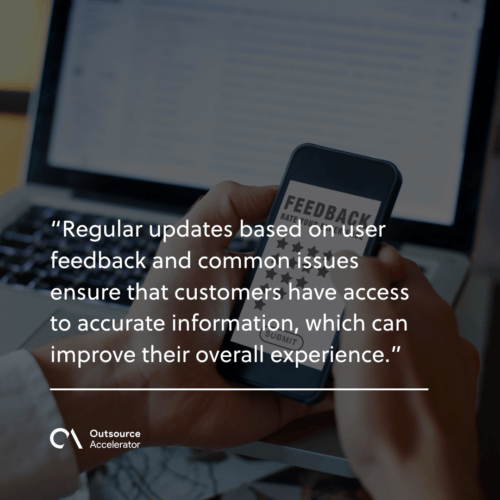
Keep FAQs and tutorials current. This matters more than many teams think. Regular updates, based on feedback and common issues, give users accurate answers. In turn, this improves their overall experience.
5. Monitor and analyze user feedback
Finally, collect and study feedback from every in-app support chat. This helps you spot trends and fix weak points. By tackling common concerns, you refine your support strategies and raise satisfaction over time. Strong feedback loops also boost customer engagement.
Take your in-app support to the next level with OP360
Elevate your in-app support and transform your customer experience with OP360. Its solutions streamline your support, lift satisfaction, and build lasting loyalty.
Ready to take your in-app support to the next level? Visit OP360’s In App Support CX services today to learn more and see how its specialists can help you reach your goals.
FAQs about in-app support
What is the difference between in-app support and traditional support?
In-app support lives inside the app itself. Traditional support often means email, phone, or a separate website. Because in-app help stays in context, it is faster and less disruptive.
What tools power in-app support?
Common tools include live chat, chatbots, FAQs, and in-app help centers. Many apps also use guided tours and tooltips. Together, these tools answer questions without a hand-off.
Can small apps offer in-app support?
Yes. Start with a simple FAQ and a chat widget. Then add a chatbot as your user base grows. Even small steps improve the experience right away.
How do you measure in-app support success?
Track resolution time, satisfaction scores, and retention. In addition, watch how often users return to the help center. These signals show where to improve next.
Should you outsource in-app support?
Outsourcing makes sense when ticket volume spikes or you lack trained agents. A specialist provider offers round-the-clock coverage and proven methods. So your core team can stay focused on the product.






 Independent






