
Disadvantages of telecommuting and how to fix them


What are the main disadvantages of telecommuting?
The main disadvantages of telecommuting are weaker communication, workload stagnation, worker isolation, lower motivation, and greater security risks.
- Remote setups can slow feedback and cut down on real-time teamwork.
- Workers may feel cut off, which can hurt morale and drive.
- Data accessed outside the office raises the risk of breaches.
Telecommuting has become a strong option next to office-based work. For example, it gives people flexibility, freedom, and a better mix of work and home life. However, like any setup, telecommuting has its challenges. This is why some teams weigh the disadvantages of telecommuting before they commit. In this article, we explore those drawbacks and share simple ways to fix them.
What is telecommuting?
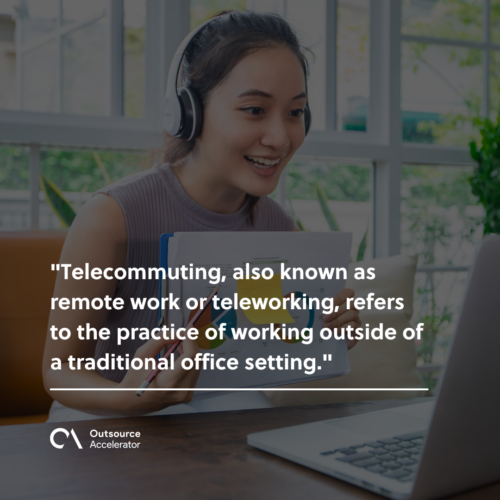
Telecommuting, also known as remote work or teleworking, means working outside a normal office. Instead of a commute, telecommuters do their tasks, join meetings, and hit deadlines from a spot they choose. Often, that spot is home. Others work from a coffee shop or a coworking space nearby.
5 disadvantages of telecommuting
Telecommuting brings many perks. Still, it helps to know and address its challenges. So let us explore the key disadvantages of telecommuting below.
1. Adjusted communication dynamics
One key drawback is the shift in how teams communicate. In an office, face-to-face chats give quick feedback, closer teamwork, and stronger bonds.
When you work remotely, those chance chats drop off. As a result, you may miss out on real-time talk. This change in communication dynamics calls for proactive steps. A strong remote work culture keeps collaboration clear and lines open.
2. Workload stagnation
Some telecommuters struggle to keep a steady flow of work. Without a set office routine, output can dip. On top of that, managers tend to hand routine tasks to remote staff. Meanwhile, small in-house teams take on the complex work, so they end up swamped. As a result, remote roles can stall. The right employee productivity apps can help keep tasks varied and moving.
3. Isolation from peers
Fewer daily chats with colleagues can lead to a sense of isolation. For example, casual talk, water cooler moments, and team bonding all support a healthy workplace. With telecommuting, distance weakens those ties. As a result, some workers feel lonely and cut off. A Glassdoor survey in 2022 found that around 48% of telecommuters felt isolated from their peers. Strong employee engagement can ease that gap.

4. Decrease in motivation at work
Telecommuting can sometimes lower motivation. This happens most when work and home life blur together. Without a clear split between the two, it is hard to stay focused all day. For more on this, see common remote work challenges and how teams handle them.
5. Security risks
The shift to remote work opens up new security risks for people and firms. Sensitive data now moves outside safe office networks. As a result, telecommuters face a higher chance of breaches and cyber threats. A report by IBM found that data breaches can cost US$1 million more when workers are remote. On top of that, using personal gear instead of company tools raises the risk. Firms should study cybersecurity in remote work to close these gaps.
How to fix the disadvantages of telecommuting
The good news is simple. You can fix these challenges and build a smooth remote work setup. Here are a few clear ways to fix the disadvantages of telecommuting.
Help peers adjust to their routines
Helping teams settle into remote work eases both communication and output issues. When people share tips and best practices, they build strong routines. As a result, communication stays clear. Regular check-ins, team meetings, and virtual work sessions go a long way. In addition, encourage staff to take breaks, practice self-care, and set real goals. This lifts both drive and output.
Continuously provide training opportunities
Managers can help remote staff find ways to learn and grow. As a result, this keeps roles from going stale. For example, firms can offer online courses and virtual workshops. They can also back skill-building efforts. As a result, staff stay engaged and driven at work.
Hold virtual team activities
To fight isolation, virtual team events work well. They build warmth and team spirit. For example, try virtual coffee breaks, team-building ideas, and online celebrations. These let remote staff connect on a personal level. As a result, bonds grow stronger and people feel they belong.

Update your equipment and security measures
Lastly, firms should invest in updated gear and strong security to stop breaches. For example, regular software updates, strong passwords, and encryption all help protect data. In addition, firms should share clear guidelines and training on cybersecurity best practices. This helps remote staff handle risks with care.
The future of telecommuting
Despite the hurdles, the future of telecommuting looks bright. As tech improves and firms adapt, remote work grows more central to how we work. To unlock its full value, firms must face its drawbacks head on. Here is what helps most:
- Good communication
- Innovative solutions
- Supportive work environment
Embracing the future of work means seizing the perks of telecommuting while fixing its flaws. By doing so, firms empower people, support work-life balance, and drive success in the digital age. Together, we can build a thriving remote work culture that plays to the strengths of telecommuting.
Frequently asked questions about the disadvantages of telecommuting
Is telecommuting the same as teleworking?
Yes. Telecommuting and teleworking mean the same thing. Both describe work done outside a normal office, often from home. People also call this remote work.
What is the biggest disadvantage of telecommuting?
Isolation is often the toughest one. Fewer daily chats can hurt morale and drive. However, regular check-ins and virtual events can ease that gap.
How can managers keep remote workers motivated?
First, managers can set clear goals and check in often. They can also offer training and virtual team events. As a result, staff stay engaged and feel part of the team.
Does telecommuting increase security risks?
Yes. In short, data accessed outside the office is more exposed. So firms should use strong passwords, encryption, and updated gear. Clear security training also helps a lot.
Key takeaways
- The main disadvantages of telecommuting are weak communication, stalled workloads, isolation, low drive, and security risks.
- Regular check-ins and a strong remote work culture keep teams connected.
- Training and virtual events lift both motivation and morale.
- Updated gear and clear security practices protect sensitive data.






 Independent






