
A guide to customer conflict management


How do you manage customer conflict?
You manage customer conflict by spotting the issue early, listening with empathy, and following a clear, consistent process to fix it.
- Set up an easy way for customers to raise complaints.
- Listen well, show empathy, and offer a fair solution.
- Use a set process so every case is handled the same way.
Dealing with customer conflict is part of running any business. How you handle it can shape your reputation and customer satisfaction.
Customer conflict management means you find, fix, and prevent issues that upset customers. So it works best when you act early.
Customer conflict 101
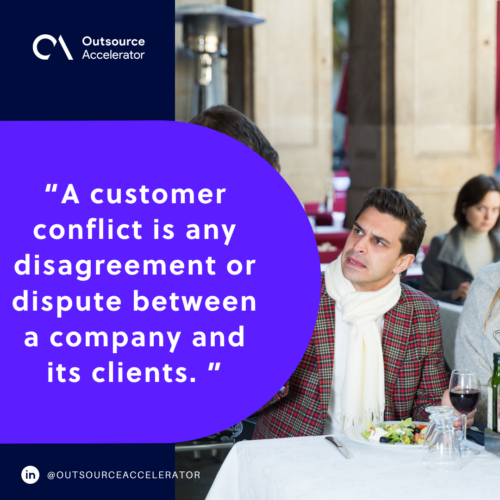
A customer conflict is any dispute between a company and its clients.
Many things can cause it. For example, mix-ups, wrong invoices, poor product quality, or a bad customer experience.
Spotting and sorting these conflicts is key to strong customer conflict resolution strategies.
Importance of addressing customer conflict
Unresolved conflicts can grow fast. As a result, they lead to bad word of mouth, harsh reviews, and lost customers.
Today, news spreads fast online. So unhappy customers can hurt a company’s reputation in a short time.
When you handle customer conflicts well, you can gain the following:
- Customer satisfaction. Good conflict resolution shows you care about customer satisfaction and helps build trust.
- Customer loyalty. Customers value firms that take concerns seriously and seek fair fixes. As a result, this builds long-term loyalty and positive brand ties.
- Continuous improvement. Conflicts reveal where you can improve products, services, or communication. So each case helps you get better.
To go deeper, review how customer satisfaction drives business success.
Why do customer conflicts happen?
Knowing the root causes of customer conflicts is key to a proactive plan.
By spotting common triggers, you can add preventive steps and improve the customer experience. The main triggers include the following.
Miscommunication
Mix-ups often come from poor communication, unclear messages, or a lack of openness. This happens on both sides.
Today, miscommunication can occur on many channels. For example, it can happen through social media, phone calls, and emails.
Customers and firms may clash over terms, conditions, or promises. For instance, a customer may feel upset if they get conflicting delivery dates.
In addition, a breakdown in customer relations can stem from unclear communication.
Unmet expectations
Conflict can arise when a product or service does not meet expectations. Often, this comes from a gap between what customers expect and what they get.
Through marketing or vague product details, firms may set the bar too high. As a result, customers feel let down.
So disputes can appear when the experience does not match the promise. Many of these triggers also show up in common customer service challenges.
Product or service issues
Even with the best effort, firms sometimes face:
- Product defects
- Services that fall short of expectations
- Surprises that crop up during delivery
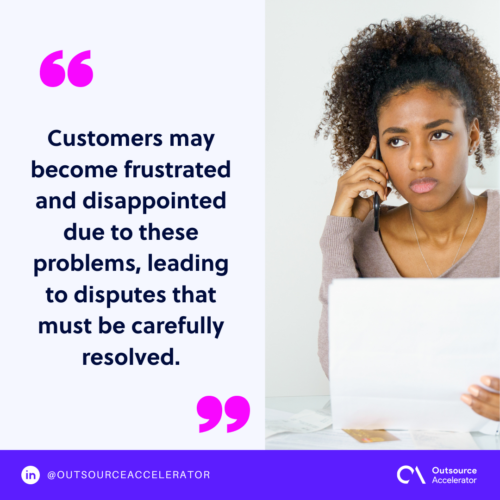
These problems can frustrate customers. So they can spark disputes that need careful handling.
Product or service problems can stem from several causes, such as:
- Mistakes made during manufacturing
- Problems with the supply chain
- Weak quality control steps
Customer conflict resolution tips for 2024
Customer conflict resolution is the process of spotting, addressing, and fixing disputes between a company and its customers.
To resolve conflicts well, find the root cause first. Then show empathy and offer solutions that fit your values.
Strong customer conflict resolution should include the following elements.
Clear complaints procedure
Companies should now prioritize a clear, well-shared transparent procedure that lets clients file complaints.
This means easy access to complaint steps. For example, put clear guidance on your website, support channels, and physical stores.
Customers should find it simple to voice concerns. So an easy-to-follow process removes friction.
To track and fix complaints fast, add reliable tracking systems. As a result, you can stop conflicts before they escalate. For more, see this guide on handling customer complaints.
Reflective listening and tactical empathy
Reps use reflective listening by paying attention, validating feelings, and restating concerns. So the client feels heard and understood.
Tactical empathy goes further than basic empathy. It also acknowledges the emotional side of the conflict.
When customer service reps show empathy, they build rapport and reduce stress.
A sincere apology can also help defuse a conflict. Even when you are not at fault, an apology for the experience shows care. So aim to please the customer rather than place blame.
Importance of body language
Body language is the non-verbal cues we send through gestures, faces, and posture. As a result, it can shape the outcome of customer conflicts.
Keep your body language open and warm. This signals that you are ready to listen.
Train staff to read customer cues and watch their own signals. So they avoid mix-ups during a conflict. This includes open posture, good eye contact, and calm facial expressions. Solid customer service values guide these habits.
Create a systematic resolution process
A set process keeps things fair and consistent. So set clear steps for staff, such as:
- Recording the problem
- Finding the root cause
- Carrying out the resolution plan
Review and update this process often. As a result, it stays in step with industry trends and client needs. Many firms improve results by outsourcing customer service to trained teams.
In today’s competitive market, prompt and customer-focused fixes matter. So a strong process supports long-term success.
Frequently asked questions
What is customer conflict?
Customer conflict is any dispute between a business and its clients. It can stem from mix-ups, wrong invoices, or poor product quality. It can also come from a bad customer experience.
Why is it important to resolve customer conflict?
Unresolved conflict leads to bad reviews and lost customers. Good resolution builds trust and loyalty. As a result, it also reveals ways to improve.
What causes most customer conflicts?
The top causes are miscommunication, unmet expectations, and product or service issues. Often, a gap between promise and experience triggers the dispute.
How can staff calm an upset customer?
Staff should listen well, show empathy, and offer a fair fix. A sincere apology helps too. Open body language also signals that you care.
Should you outsource customer conflict management?
Outsourcing can help if you lack in-house support. Trained teams handle complaints fast and follow a set process. So response times and consistency often improve.
Key takeaways
- Customer conflict is a normal part of doing business.
- Most conflicts stem from mix-ups, unmet expectations, or product issues.
- Empathy, clear steps, and good body language help resolve disputes.
- A set process keeps every case fair and consistent.
- Strong conflict handling protects your reputation and loyalty.






 Independent





