
From numbers to decisions: A look into relevant management statistics


What do management statistics tell business leaders?
Management statistics show how leaders, feedback, and daily habits shape business results, so managers can base decisions on evidence instead of guesswork.
- Good management drives performance, retention, and a strong company reputation.
- Regular feedback and recognition keep teams engaged and more productive.
- Clear communication and the right tools lift project success rates.
In business, numbers do more than tell a story. They give leaders insight that fuels smart, informed decisions. So the role of management has never mattered more.
Managers must keep their teams performing well. At the same time, they need to make choices that keep their companies competitive. Below, we look at the management statistics that explain modern business supervision.
Management statistics: A brief overview of business supervision
Effective management often sits at the heart of successful organizations. The business world is complex. So management is the compass that steers the ship. First, let us look at a few management statistics about the role itself.
To start, “69% of managers find it uncomfortable connecting with their employees,” according to Interact Studio.
As a result, “Bosses are the reasons why one in two employees quit,” reports Gallup.
In addition, “40% say they need to feel appreciated to be more driven at work,” notes the Harvard Business Review.
Also, “Investing in management training can result in goal transcendence by 15%,” per Vantage Point and Sales Management Association.
Still, “Almost a third of workers believe their leader is incompetent at effectively handling a team,” says Predictive Index.
Meanwhile, “Managers become 8.9% more profitable when their superiors provide them with feedback on their strengths,” according to Gallup.

Finally, “33.4% believe their managers or superiors practice favoritism,” per Predictive Index.
Whether you lead a team, oversee projects, or make key calls, management shapes the path to success. These numbers offer a clear window into modern business. So they give a real picture of what helps and what hurts a company. By studying them, you learn the trends and best practices that guide strong modern leadership.
Performance management statistics
Performance management is a key pillar of any team. It keeps employees aligned with company goals. A Gallup study backs this up. It shows the strong impact of regular performance feedback.
Businesses that use this practice see a 14.9% drop in turnover. As a result, they keep valuable expertise in their ranks. Moreover, their productivity climbs by 12.5%. That is the power of motivated, engaged teams.
Daily feedback matters even more. Employees who get such guidance are three times more likely to invest themselves fully in their work. So this drives both personal growth and company success. Strong employee engagement is the thread that ties these gains together.
DDI’s Global Leadership Forecast adds more context. It found that 71% of companies see room to improve their performance management systems. Yet only 12% view their current systems as truly effective. So these management statistics point the way forward. They show why a culture of steady improvement matters.
Reputation management statistics
Online reviews now shape how people see a brand. So reputation management has taken center stage. It is a crucial part of any effective management strategy.
According to Nielsen, 70% of global consumers trust online reviews. In other words, they treat reviews as a reliable source of brand information. BrightLocal backs this up too. It found that 76% of consumers often turn to online reviews when they weigh up a business.
This shows how much digital opinion shapes buyer choices. So leaders can use this to invest more in their brand and image. Deloitte’s survey adds another layer. It found that 87% of executives acknowledge that reputation risk outranks other strategic risks.
This fits the actions of the 88% of managers who put reputation risk first. Digital word-of-mouth now carries real weight. So managers have a clear chance. By acting on these reputation management statistics, they can build trust and grow a strong brand.

Project management statistics
Strong project management can make or break a company’s results. Clear communication is the core of it. A Cortex study found that 57% of project failures stem from poor coordination among team members. So this shows why open communication matters, especially for those in charge.
The agile approach has changed the field. Zippia’s data showed that 98% of companies that use agile methods see higher success rates. As a result, 71% of firms now use agile processes to improve their projects.
Kissflow’s research adds more. It found that handling project teams is the hardest task for many managers. So the role calls for real skill to steer a diverse team toward one goal. Kissflow also found a clear tech gap. Merely one in four organizations use project software. Tools such as virtual project management platforms help close that gap, boost collaboration, and raise project success.
Time management statistics
In a fast-paced workplace, managing time well is vital. As TimeWatch notes, a majority (38%) rely on the trusty to-do list as their main time strategy. This simple method shows the power of seeing your tasks. So it helps managers keep a clear, organized day.
Multitasking looks like a productivity boost, but it is not. The American Psychological Association warns that juggling tasks can add up to up to 40% more time to a job. So focused attention wins. You get more done by tackling tasks in order.
Reboot Online adds more detail on daily distractions. On average, employees spend approximately two hours per day on non-work activities. So managers have a clear opening. They can set habits that cut distractions and sharpen focus.
Managers can also match methods to each person’s peak productivity windows. Different time management styles suit different people. So by using these management statistics, leaders can build a culture of good time use.
Workforce management statistics
A well-managed workforce is a company’s best asset. It drives growth and success. Gallup’s research shows the tight link between engagement and well-being. Teams with low engagement face turnover rates that run 18% to 43% higher than highly engaged teams. So managers must foster engagement to build a committed workforce.
McKinsey’s work on diversity backs this up. It found that firms with racial and ethnic diversity have a 35% higher chance of beating their industry average on returns. So a diverse workforce links to fresh thinking. In turn, that lifts a company’s edge.
Aberdeen Group’s findings show the power of recognition programs. Firms with employee recognition enjoy a 31% lower voluntary turnover rate than those without. So praise and appreciation pay off in loyalty.
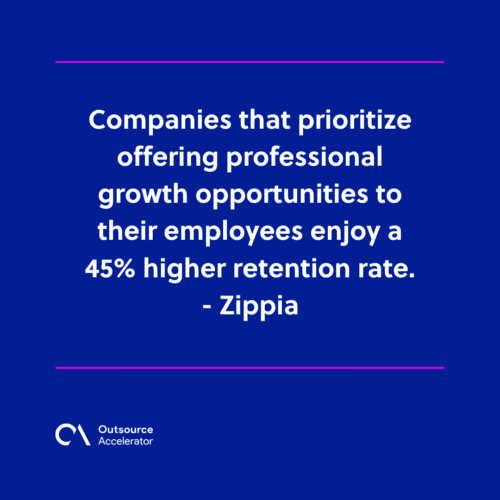
Zippia adds one more point on development. Companies that offer growth chances enjoy a 45% higher retention rate. So learning and development build a committed team. These ideas apply to on-site and remote team management alike. By acting on these management statistics, leaders can build a workforce that is engaged, diverse, and ready to grow.
Enhancing your staff’s managerial skills
So how do you turn these insights into action? Start with hiring, since strong talent acquisition practices put the right people in place. Then use the steps below to build better managers.
- Effective communication. Poor communication is a common cause of failed projects and unhappy staff. So prioritize clear, open talk to close gaps and align everyone on shared goals.
- Continuous learning. Managers must keep learning. In this way, they stay current on the latest trends, tools, and strategies that lift team performance.
- Employee development. Invest in your team’s growth with training and skill-building. When employees feel valued, they tend to stay engaged and motivated.
- Feedback culture. Build a culture of feedback where honest input is welcome. Regular sessions can boost performance, ideas, and teamwork.
- Time management. Good time habits set an example. So prioritize tasks, set realistic deadlines, and avoid multitasking to protect output and balance.
- Lead by example. A leader’s actions speak louder than words. So be a role model. Show professionalism, energy, and dedication in your work.
- Adaptability. Embrace change and help your team do the same. In today’s fast market, adapting to new challenges is essential.
Frequently asked questions about management statistics
What are management statistics?
They are data points that measure how managers, teams, and workplace habits affect business results. So leaders use them to spot trends and make better decisions.
Why does regular feedback matter so much?
Feedback drives engagement and performance. Studies show it can cut turnover and lift productivity. As a result, teams stay motivated and more loyal.
How do reviews affect reputation management?
Most consumers trust and read online reviews before they buy. So a strong review profile builds trust. In turn, it shapes buyer choices in your favor.
What is the biggest challenge in project management?
Poor coordination is the top cause of project failure. Handling the team is also hard. So clear communication and the right software make a real difference.
How can managers improve employee retention?
Offer recognition, growth, and steady feedback. Firms that do this see lower turnover and higher retention. So a culture of appreciation pays off over time.






 Independent






