
Outsourcing API integration: An effective tool in business marketing

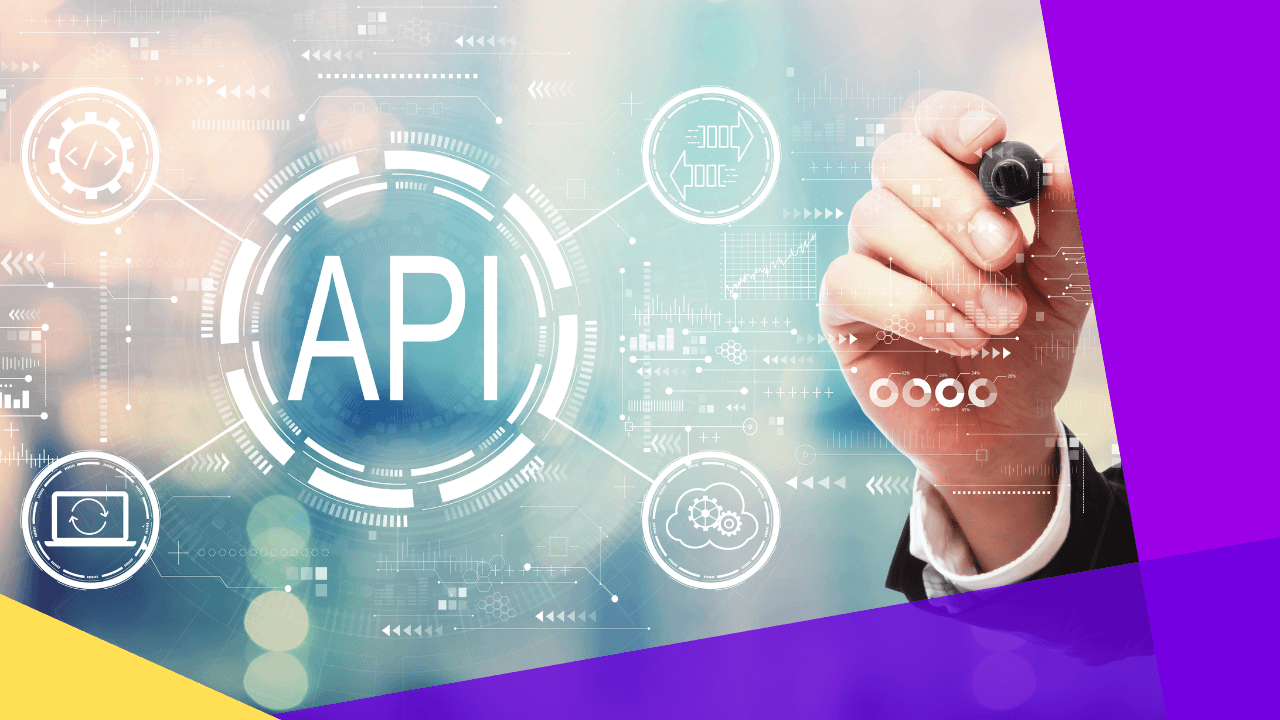
When you hear about an application programming interface (API), the first thing that comes to mind is the technicality of its process and how it works in business marketing.
But to simplify, API is often used in accomplishing our daily errands. As we go to work or simply order food, we benefit from the work of API as a new trend in business technology.
Today, API creates relationships between B2B marketing and e-commerce. It includes business websites, accounting, inventory, management systems, and customer service infrastructure.
As we go along, this article will help you understand more about how API can elevate your business marketing strategy with the help of technology.
Understanding API integration in business
The API integration can bring innovation to your business processes. The idea is to integrate your business platform and help automate, manage, and streamline the operations of a business.
One good example is an e-commerce website containing a travel company’s account where you can import data. This way, you can streamline your booking on one platform.
Similarly, an API also works as a facilitator connecting software platforms and is one of the main reasons digital technologies are becoming more user-friendly.
Here are some of the following processes in business that API made easy:
- Readily access to product information
- Automated order and payment system
- Accessible shipping and courier process
- Authentication and login process
- Validation and marketing
How does outsourcing work for API integration?
When we talk about the work of technology and business, outsourcing will always be part of the picture. Like API integration, outsourcing helps accomplish tasks that require technical knowledge and skills.
API outsourcing enables businesses to acquire such application and programming support without compromising the time and limited capacity of the in-house team.
Outsourcing companies and virtual talents in this field allow companies to build custom-designed applications. It may vary depending on the nature and requirements set by the company.
When a business considers API outsourcing, it is vital to identify a specific project and properly relay it to an outsourced talent with knowledge in system development.
The system design, software, or application will be based on the coordination and references provided by the company. The mechanisms of collaborating with developers may be different from each other. It will depend on the level of ongoing support needed.
Common applications of an API in business
To easily understand the applications of an API in business, the following items were laid down for non-technical business personnel.
This will provide understanding to easily grasp and relate to how API operates and works in our daily life:
1. Weather widget
Weather data is an excellent example of API integration. As observed, snippets are always part of widget tools appearing on most digital home screens, like smartphones, search engines, and digital watches.
With API integration, data and information about weather forecasts and updates were shared from one software or application to another.
2. E-commerce
E-commerce centers on the act of having commercial activities like buying and selling products online. PayPal is a well-known financial technology company in e-commerce, while Facebook is referred to as a marketplace representative.
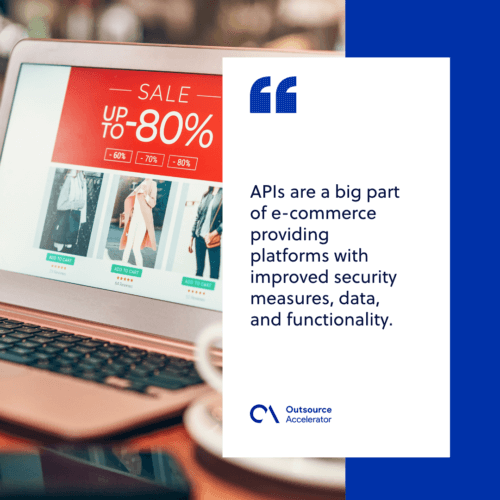
APIs are a big part of e-commerce providing platforms with improved security measures, data, and functionality. Features of e-commerce platforms like search and conversion require the logic of API to operate.
3. Online travel booking
By using a third-party API, travel booking websites can access a lot of available flights in different locations. Customers can now easily choose the options given based on their preferences.
It also applies to other services like booking trips and transfers. Once the booking is processed, the origination supplier will proceed with the completion, usually by taking the payments.
4. Log-in using existing email
Another well-known API integration example usage is the login process to different social media sites. Today, you can sign up or log in from one social media site to another by linking just one email.
It is easier, instead of entering directly into users’ social media accounts which could be more risky. Applications and sites with this capability use the APIs to authenticate the user with each login.
5. Maps
As a popular application, many applications and software use Google Maps API. Most of it access API to personalized location, data, and directions to interpret all types of location information.
It elevates business services and creates streamlining in building a connection with the users of applications and software.
6. Online dining and ordering
Most restaurants today use the functionality of API integration. This is because API integration enables the presence of pertinent restaurant and dining information in different dining and online ordering applications.
APIs provide easier access for restaurants to answer queries, provide information, and organize data that consumers are looking for.
7. Payment
The availability to use Paypal to pay or purchase items is also made possible because of API integration.
The “Pay with PayPal” feature, like online store checking, is done via APIs to impose security measures that the benefiting application can only take necessary information to accomplish without exposing sensitive and personal data.
Future of API integration in digital transformation
Digital transformation is continuously progressing over time. We cannot deny the impact of it in our today’s global economy and how it will shape the systems and processes in the future.
With the growing market demands, API is one of the great contributors that allow harmonization across industries to automate processes and stretch tech capabilities, reaching extraordinary levels of efficiency in the future.
No wonder that API, in the future, will lead the digitization and automation process of all businesses across the world in the digital space.






 Independent





