
Game testing 101: Definition, types, and strategies

What is game testing?
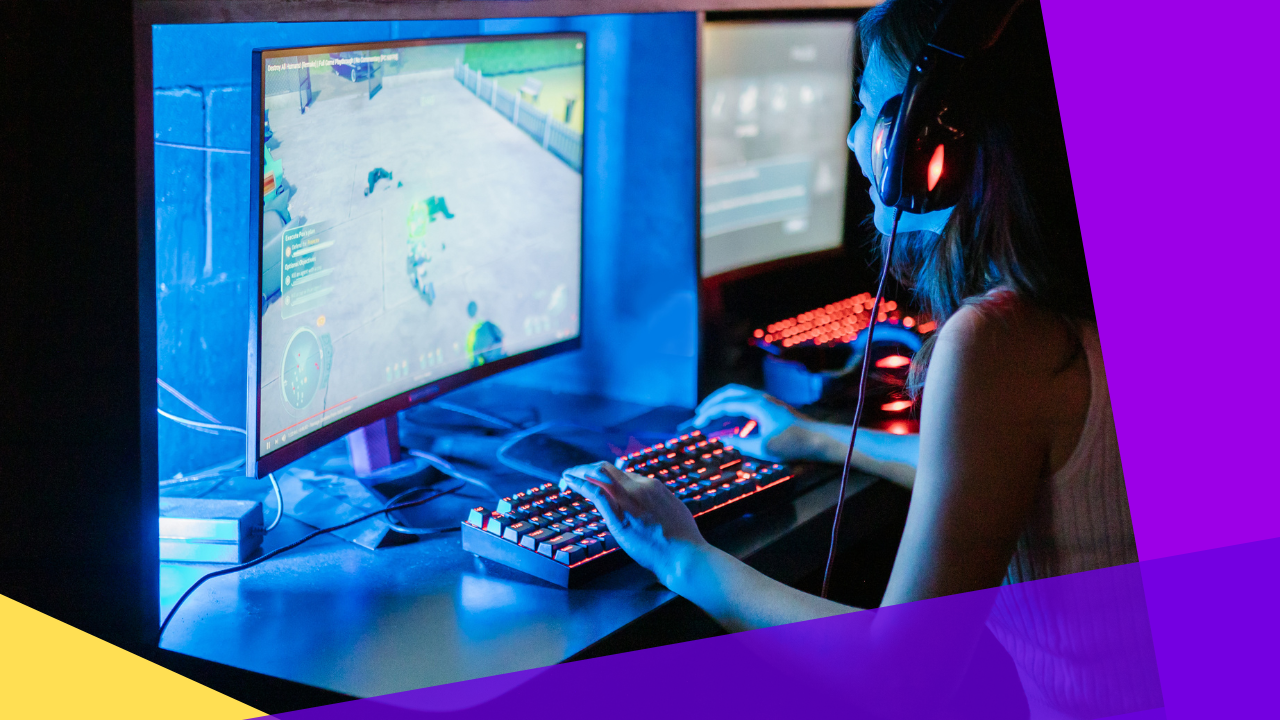
Game testing is the process of playing a game before its release to find bugs, glitches, and design flaws so developers can fix them.
- Testers check features, report issues, and rate the overall experience.
- It protects game quality and player satisfaction.
- It gives fans a real path into the gaming industry.
Mobile and computer games keep growing fast. As a result, the gaming industry is set to boom for years to come. Players now enjoy more titles than ever, so game developers keep making new content.
However, not every feature is a hit. Players have their own tastes and standards. To meet them, studios rely on game testing. So what is game testing, and how does it work? Let us break it down.
What game testing means
Game testing is also known as video game testing. In this process, studios hire third parties, or game testers, to act as a game’s beta testers. They get early access to test features, spot glitches, and list every bug. Then developers fix these issues before the release date.
Game testing also lets testers learn the game’s mechanics early. As a result, they get ahead of it on the normal servers. Many studios now treat this step as core to quality assurance standards.
Why game testing is a must
Game testers can earn good money just by reviewing a game. Their insights are valuable, since they protect the quality of the title. However, the perks go beyond pay. Game testing gives fans an insider view of the industry.
Access to many games sharpens their instincts. For example, they build stronger game sense, strategy, and an eye for detail. Because of this, the qualifications to become a beta tester are strict. Testers need graphic design skills, QA engineering know-how, and even project management. Many business process outsourcing firms, such as MVP Asia Pacific, offer QA services for game developers and studios. In fact, outsourced game development now covers testing as a full service.
2 types of game testing
There are two main types of game testing.
Play testing
Play testing looks at the overall experience of a game. For example, it checks if a game is fun or boring. It also measures how hard the game is to finish.
Quality assurance
Quality testing focuses on the technical side of the game. Testers hunt for glitches and bugs. Then they report each issue to developers for fixes. Teams often track this work with software quality metrics.
Game testing process
Beta testers go through a series of rounds. Normally, the full process takes four rounds. The game testing process includes the following steps.
- Gross playtesting – the first phase, which finds problems in the gameplay. Usually, the design team runs it.
- In-house testing – run by in-house game testers. They give a full check of the glitches in the game.
- Blind testing – developers ask new users for feedback. As a result, they catch issues missed in the first two phases.
- Final playtesting – focused on the look and design once the review is complete.
How to be part of the game testing process
There are several ways to join the game testing process. However, companies follow a strict process to pick their testers. To become a game tester, keep the requirements below in mind.
Improve gaming practice
Game testers need to be keen and careful. They also need to:
- Have deep experience playing many genres of games.
- Know their way around consoles, computers, and mobile phones.
- Share useful insights by naming features that need work.
- Write clear reports that capture the whole experience.
- Spot features that would make games better.
You can build these skills by upskilling often. For example, testers can learn Photoshop and Maya. They can also take 2D and 3D game production courses.

Game testing: improve technical and mechanical skills
Game testing needs strong technical skills. New games ship all the time, so it helps to stay current. For example, focus on skills like these:
- Understand the core duties of a game tester. As a result, you grasp what developers need, such as bug and glitch detection.
- Learn QA technologies, such as code release, performance testing, and playtesting.
- Keep up with the top gaming companies and their latest work.
- Sharpen your report writing, since it drives clear analysis and insights.
These skills take time to build. Technical courses can help you earn the right credentials. In addition, many online courses cover these skills. Some are even 100% free.
Build a resume
Game testers need a strong resume that shows their skills. So back it up with certifications. Include every relevant training and accreditation, online or in person. Also list any public beta testing experience. As a result, you prove the experience that companies want. To see where the field is headed, follow the latest game QA and testing trends.
Frequently asked questions
How much do game testers earn?
Pay varies by studio, region, and skill. Entry testers earn less, while senior QA testers earn more. Full-time roles often pay better than casual gigs.
Do you need a degree to become a game tester?
No. A degree helps, but it is not always required. Many testers start with strong gaming skills and short courses. In addition, certifications can boost your resume.
What is the difference between play testing and QA testing?
Play testing checks the fun and flow of a game. QA testing checks the technical side, such as bugs and glitches. Studios use both to ship a solid title.
Can game testing be outsourced?
Yes. Many studios hire BPO firms for QA and testing. As a result, they save time and reach a wider tester pool. This is common in game development outsourcing.
Key takeaways
- Game testing finds bugs and design flaws before a game ships.
- The two main types are play testing and quality assurance.
- The full process usually runs across four testing rounds.
- Testers need gaming skills, QA know-how, and clear reports.
- Many studios now outsource testing to trusted BPO firms.






 Independent





