
10 types of brand strategy that will help your business succeed

What are the main types of brand strategy?
The main types of brand strategy include product, personal, attitude, corporate, service, online, private-label, no-brand, geographic, and retail branding.
- Each type shapes how customers see and remember your brand.
- The right choice depends on your product, market, and goals.
- A clear strategy builds trust, loyalty, and recognition.
A weak brand strategy often leads to a diluted, mixed-up brand image. As a result, it is hard to build a strong identity in the minds of buyers. That can cut brand loyalty and confuse your audience. It also blurs the value of your product or service.
So firms may struggle to stand apart from rivals. They may also find it hard to build a lasting presence. Because of this, a smart approach to branding matters. This guide shows the key role branding plays in a business’s success.
What is a brand strategy?
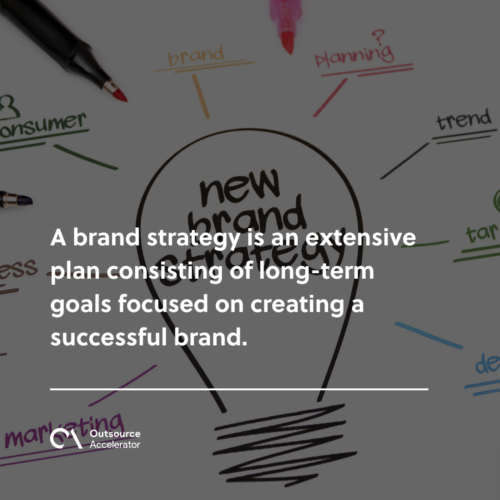
A brand strategy is a long-term plan to build a successful brand. The goal is a brand that feels unique, familiar, and strong to buyers. Firms build a branding strategy to shape the image they want to project. Purpose, consistency, emotion, and employee engagement are all key parts of that plan.
Why are branding strategies important?
A strong branding strategy helps you talk to customers better. It also lifts brand recognition, which draws new buyers and keeps current ones. Not only that, it puts you ahead of rivals. So your company builds a strong brand identity that stands out.
Are you a new, growing business? Then different branding strategies can boost awareness and get your name known. In short, if you want buyers to prefer your brand, you need a solid plan to get there.
10 types of brand strategy that lead to success
It takes time and effort to build a memorable brand. Here are ten types of brand strategy that can help your business grow.
1. Product branding
Every strong brand has a logo or design tied to it. That is one key part of a good brand strategy. Product branding also relies on names, packaging, and clear messages. Together, these elements spark emotion and build a brand identity.
A good product brand knows its audience well. It understands their needs, wants, and worries. It also knows the competition. As a result, these factors shape the product and its strategy.
2. Personal branding
Personal branding builds an identity around a unique selling point. Key parts include a distinct look, a brand story, and a clear message. An important step in building your personal brand is getting known by your audience. So you must state your values, goals, and mission clearly.
Athletes and politicians show strong personal branding. Their high profile on social media drives it. In the same way, many entrepreneurs use personal branding to rise. A strong social media presence often produces leads and a loyal following.
3. Attitude Branding
Attitude branding links your brand to a broader feeling. Instead of a hard sell, it builds good emotions that go beyond one product. Sometimes a firm uses a general mood to promote its goods. So the brand can connect with buyers on a deeper level.
4. Corporate branding
Corporate branding describes a company as a whole. Strategy, activity, and style all work together to form one identity. Over time, buyers can spot the company’s products more easily.
Because buyers already trust the quality, you need fewer big campaigns for each new product. In addition, good corporate branding helps you connect with new and current customers. It also sets your brand apart from rivals.
5. Service branding
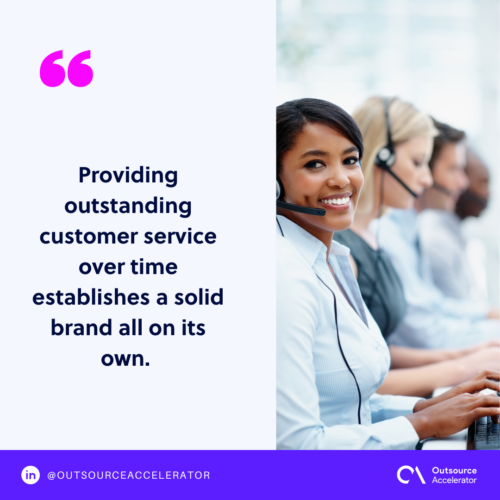
Firms build a service brand by shifting from products to full solutions. Service branding is not just about a sale. It is about giving excellent customer service. So it covers both your online and offline experiences.
Great service over time is a strong strategy on its own. As a result, it raises brand loyalty. Customers are less likely to leave, which means faster growth. Today, many firms chase this goal through omnichannel marketing, which keeps gaining ground.
6. Online branding or internet branding
Businesses today are moving online fast. So they build new branding strategies to reach their audience with ease. This is where online branding comes in. An internet brand uses social media and ecommerce as a digital marketing approach.
This type of brand strategy grows more vital each year. The goal of these tools is to make marketing simpler. They also measure the impact of each method. For many brands, social media marketing is the core of this work. Some firms even outsource digital marketing to move faster.
7. Private-label branding
Private label and store brands are made for a single retailer. They compete with well-known names. These products do not advertise or brand themselves widely. A third party makes them, but the retailer packages them.
For example, Tesco sells brand names like Heinz baked beans. It also sells its own line called Tesco Value. So the retailer does not sell its own products directly. Still, it builds brand recognition.
8. No-brand branding
People also call this minimalist branding. In no-brand branding, the product is strong enough to grab attention on its own. It needs no extra features or marketing tricks.
Several firms use packaging that copies the simple look of generic names. Because the plain design draws the eye, no-brand branding still builds identity. For instance, a brandless label can signal quality food at a low price. In that case, the quality speaks for itself.
9. Geographic branding
Geographic branding ties a brand to a place. It supports nation-building and helps small firms in the area. Businesses also use it to draw people to visit or invest in a region. Towns, cities, and even whole countries take this approach. So ambassadors and tourism firms use it to build a strong identity.
10. Retail branding
Retail branding applies a brand’s idea to a retail business. Many stores sell the same goods from different makers. So retail branding helps a store stand out with its own brand.
You often see this in store chains that sell straight to buyers. Every outlet matters here. After all, that is where most customers first meet the company.
How to build a brand strategy
A branding strategy is a great way to connect with new customers. Here are simple steps to start your own plan. A marketing agency can help if you want expert support.
Understand your brand
You cannot build a strategy if you do not know your brand. So review your current branding and marketing, then adjust as needed. First, get deep clarity on your purpose, vision, mission, and core values.
- Purpose. This is a strong statement of why you are in business.
- Vision. This shows where you want your company to go.
- Mission. This outlines your goal and supports the vision.
- Core values. These are the beliefs that guide your firm.
Create user personas
A buyer persona stands for a potential customer. It includes demographics and depicts a real person. It shows their day, their likes and dislikes, and the platforms they use.
Buyer personas keep all client-facing work matched to the market’s needs. So they help you stay focused on your customers. As a result, you can tailor your branding to your audience. Many teams pair this step with outsourced marketing to move faster.

Make a list of your competitors and research them
Knowing what rivals do helps you find your unique value. It also shows what sets you apart. So this research guides your future marketing. It also reveals what your rivals do well. In turn, you can find ways to improve your own brand.
Create a unique brand identity
A strong brand identity makes your goods more memorable. It also builds your authority in the market. Consistent messages and a solid identity give you an edge. As a result, you gain more trust and credibility. It is also key to know where you stand with current and future buyers.
Execute your website
A company website is a big part of your branding strategy. A well-built site gives customers clear details about your firm. In effect, that acts as free marketing. Keep the best website practices in mind as you build it.
Use high-quality photos, keep the design simple, and make the site mobile-friendly. Not only is this easier for customers, it also guides your online branding. Many powerhouse brands let their sites do the talking. A well-planned 360 marketing campaign can tie this together across every channel.
Monitor your website and brand strategy
Launching your strategy is not the last step. Perhaps the most important part is tracking the results. When you watch your brand, you see how people talk about it. From there, you learn what works and what does not. Then you can make changes as needed.
Create a branding strategy now
Whichever type of brand strategy you pick, it can shift how buyers see you. It also helps your brand stand out. With so many options, choose the one that fits your company best. No matter how good your product is, it needs the right branding to shine.
Frequently asked questions
What is the most common type of brand strategy?
Product branding is one of the most common. It ties a logo, name, and design to a single product. Many firms start here before they add other strategies.
How do I choose the right brand strategy?
Start with your goals, product, and market. Then match a strategy to how you want buyers to feel. In many cases, firms blend two or more types.
What is the difference between product and corporate branding?
Product branding focuses on a single product’s identity. Corporate branding covers the whole company. So corporate branding shapes how buyers view every product you sell.
Can small businesses use brand strategy?
Yes. A clear strategy helps small firms build awareness fast. It also sets them apart from larger rivals.
How long does a brand strategy take to work?
Branding is a long-term effort, not a quick fix. Results often grow over months of consistent work. So patience and steady messaging matter most.
Key takeaways
- There are ten core types of brand strategy to choose from.
- Each type shapes how buyers see and trust your brand.
- The right choice depends on your product, market, and goals.
- Building a strategy starts with your purpose, personas, and research.
- Consistent messaging and tracking keep your brand strong over time.






 Independent





