
7 payroll trends to watch out for in 2026

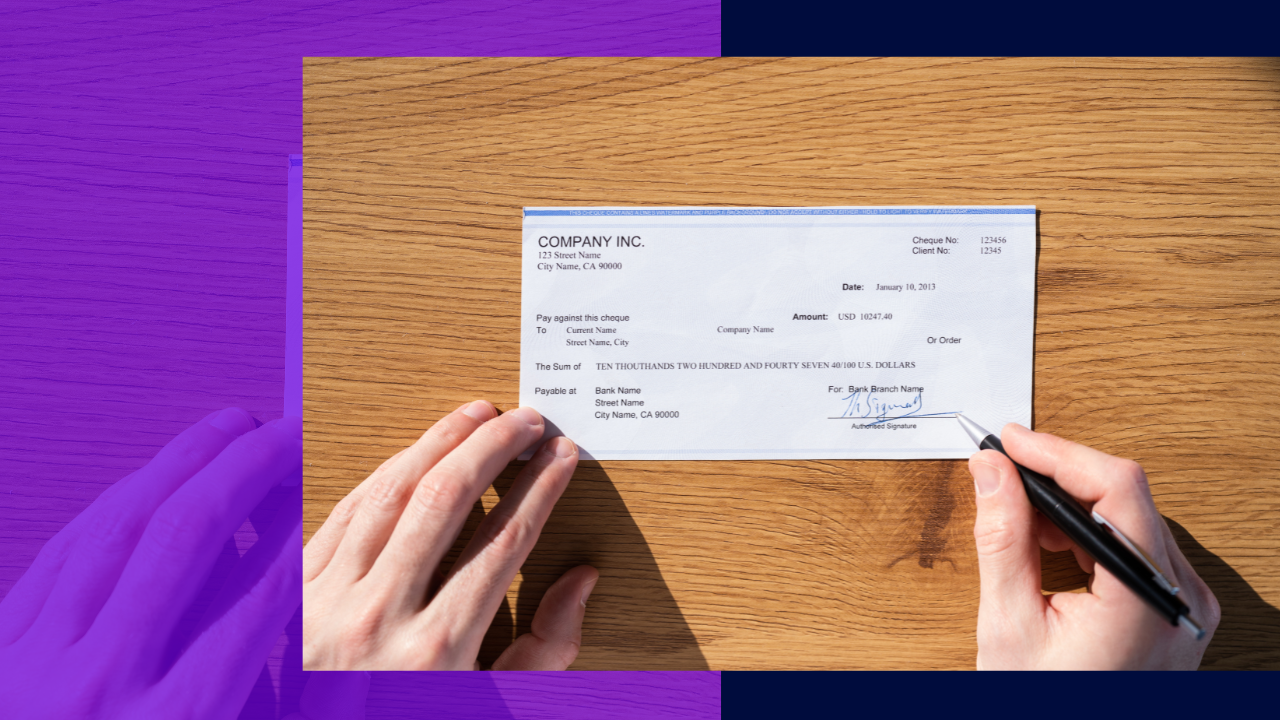
You cannot run a company without payroll. It is a core part of business. In short, it makes sure your staff get paid for their work.
As companies change how they work, payroll systems change too. As a result, new payroll trends keep emerging. This guide covers the ones to watch and put to use.
What are the top payroll trends businesses should watch?
The biggest payroll trends today center on automation, cloud systems, AI, data security, and faster pay, all aimed at getting staff paid quickly and safely.
- Cloud and AI tools speed up payroll and cut errors.
- Data security grows more important as payroll moves online.
- On-demand and global pay give staff more flexibility.
Why be aware of payroll trends?
Payroll rules and compliance change often. So businesses and HR teams must stay updated. It also helps to know the main types of payroll systems before you pick one.
Staying current lets you pay staff faster and with fewer errors. As a result, staff feel happier and stay longer.
You must also adapt to new tools and software. These help streamline payroll through automation and better data management.
In addition, good systems speed up payments. They also keep staff data safe from breaches.

7 payroll trends to implement in 2026
Payroll has changed a lot over the years. It keeps evolving in many ways. Here are the top payroll trends businesses should look into.
1. Adapting to the gig economy
The gig economy keeps growing. So employers now build payroll systems that suit gig workers and freelancers.
These days, gig workers want faster pay. They do not want to wait two weeks like regular staff. For example, money transfer apps make this possible. As a result, same-day payments are now common.
2. Shifting to the cloud
Gone are the days of paying staff by paper check. As tech advances, companies move payroll to the cloud.
Cloud computing makes it easy to access data from any place. That includes payroll. It is a low-cost, flexible option. So it suits small businesses with tight resources. Many pair it with modern payroll software to save time.
The cloud also scales as your business grows. You need little extra hardware or software.
As a result, staff get paid faster. The cloud also cuts errors. Plus, staff can view their payslips with ease.
3. Incorporating AI
AI can automate many tedious payroll tasks. So it streamlines the whole process. As a result, staff get paid faster.
AI can help the payroll process through better:
- Data management
- Roster management
- Real-time compliance
For example, AI can flag when staff forget to clock out. Then it alerts them to fix it. As a result, their pay stays correct. These gains echo the wider benefits of automation.
4. Prioritizing data security
Payroll now runs on online systems like the cloud. So staff data can be exposed to breaches and leaks.
Because of this, data security keeps growing in importance. As a result, businesses adopt stricter measures to keep staff data safe.
5. Focus on employee experience
HR teams now make payroll more employee-centered. So they choose user-friendly software and digital platforms. These make pay info easy to access and view.
Beyond easy access, HR teams answer staff needs and preferences. For example, they may offer payroll advances, direct deposit, or mortgage payments.
6. Streamlined global payroll
Businesses keep hiring talent worldwide. So they need strong global payroll practices, such as:
- Timely payments
- Accurate currency exchanges
- Abiding by the necessary tax laws
Global payroll is complex. Each country has its own rules on pay. So more firms use digital systems to streamline the work. Many adopt global payroll software to stay compliant.
This includes international money transfer software and central data systems a global team can access.
7. On-demand pay
Sometimes staff ask for their pay before payday. They may want part of it early. This trend is not new. It will keep growing in the future.
On-demand pay gives staff access to earned pay ahead of time. So they do not have to wait every two weeks or every month.
Frequently asked questions about payroll trends
What is the biggest payroll trend right now?
Automation leads the way. AI and cloud tools now handle many manual tasks. As a result, staff get paid faster with fewer errors. Data security follows close behind.
How does AI change payroll?
AI automates tedious steps like data entry and compliance checks. It can flag missed clock-outs and fix pay issues. So the whole process runs faster and cleaner.
Is on-demand pay good for businesses?
Yes, it often is. It gives staff access to earned pay early. As a result, staff feel less financial stress. Many firms also see better retention.
Should you outsource payroll to keep up with trends?
Outsourcing can help a lot. A partner brings the latest tools and compliance know-how. To learn more, see this guide to HR outsourcing. It frees your team to focus on core work.
Key takeaways
- Payroll trends now focus on automation, cloud, AI, and data security.
- Faster pay options, like on-demand pay, keep staff satisfied.
- Global payroll needs digital systems to stay compliant across borders.
- Staying updated helps you pay staff quickly, safely, and correctly.
Staying updated on the latest payroll trends
Tech and automation have changed how firms do payroll. It is faster and more convenient for staff. It also puts more focus on compliance and data security.
These changes are already here. Still, they will keep speeding up in the years ahead. So businesses must stay updated and ready to adapt.






 Independent





