
Getting started with Generative Engine Optimization (GEO)


Ranking high on search engines is harder than ever. Competition grows daily, and algorithms keep changing. As a result, old SEO tactics no longer deliver on their own.
As artificial intelligence changes how content is made, it also reshapes how engines rank pages. So marketers now face a new frontier. They must balance human intent with machine logic.
This shift brings a fresh approach called generative engine optimization. Mastering generative engine optimization may be the key to visibility today. In this era, AI drives content discovery and search behavior. This article explains what GEO involves and why it matters.
What is Generative Engine Optimization (GEO)?
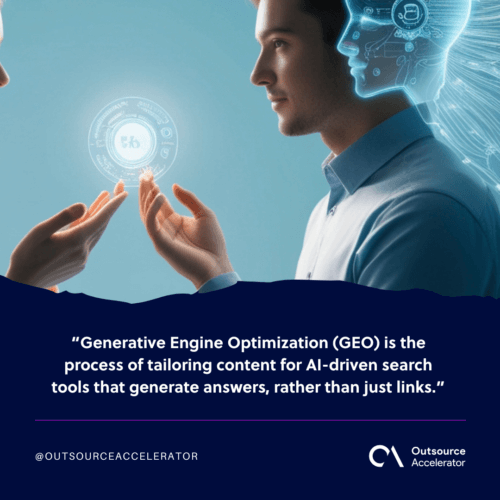
Generative engine optimization is the practice of shaping content so AI-driven search tools cite it in the answers they generate.
- It targets AI tools that give answers, not just lists of links.
- It rewards clear, well-structured, and trustworthy content.
- It works alongside SEO, not in place of it.
Unlike traditional SEO, GEO focuses on platforms like:
- ChatGPT
- Perplexity
- Gemini
- Google’s AI Overviews
These systems use large language models to read intent and give rich, conversational replies. So GEO helps brands show up right inside those AI answers. As a result, they reach high-intent audiences sooner.
Search behavior keeps shifting toward AI tools. So GEO positions content where it matters most: within the answers users receive, not just on results pages. This overlaps closely with answer engine optimization, which aims for the same AI visibility.
SEO vs. GEO
SEO and GEO both aim to improve visibility. However, they work in different settings. Traditional SEO targets search engine results pages (SERPs). In contrast, GEO adapts to the rise of AI-generated answers.
Knowing their core differences helps you focus your strategy. So here is a side-by-side comparison:
| Aspect | Search Engine Optimization (SEO) | Generative Engine Optimization (GEO) |
| Primary goal | Rank higher on search engine results pages | Appear in AI-generated answers and summaries |
| Content focus | Keywords, backlinks, and technical optimization | Context, clarity, and topic authority |
| Ranking system | Algorithm-based keyword and link evaluation | AI-driven language model analysis |
| User experience | Click-based navigation to websites | Direct answers within search tools and chat interfaces |
| Success factor | Domain authority, link-building, metadata | High-quality, relevant, and authoritative content |
| Search behavior targeted | Keyword-based queries | Conversational or complex search prompts |
GEO reflects how AI is changing search. So businesses that create AI-friendly content will stay competitive. As a result, they keep pace as digital discovery evolves. Blending GEO with proven SEO best practices gives you the strongest footing.
Core principles of generative engine optimization
Generative engine optimization moves the focus away from keyword stuffing. Instead, it rewards content that matches how AI engines read information. These engines value context, clarity, and real value.
To succeed, brands must speak to both machines and people. So content should reflect natural language, trust, and authority.
Determine search intent
Search intent is the base of GEO. It is the reason behind a user’s query. In other words, it is what they really want to find.
AI engines do not just match phrases. Instead, they read the meaning behind the question. So high-performing GEO content speaks straight to that intent.
Writers should use conversational language and long-tail phrases. Next, they should present clear answers, bullet points, and useful tips. For example, instead of “SEO tips,” target a specific query like “how to use AI for SEO audits.”
Align with E-E-A-T standards
Google’s E-E-A-T framework stays vital in a GEO strategy. It stands for Experience, Expertise, Authoritativeness, and Trustworthiness.
- Content that shows real-world experience builds credibility.
- Expertise means using verified data and deep research.
- Linking to trusted sources adds authority.
In the end, trust comes from transparency and clear authorship. It also comes from accurate data and honest words. Meeting these standards lifts both AI visibility and user confidence. As a result, generative engine optimization becomes a user-first way to create content. It sits at the heart of modern AI marketing.
How can generative engine optimization help your digital footprint?
Generative engine optimization is now key to staying visible. Old SEO methods now compete with AI models that value context and quality. So adapting to GEO gives brands an edge.
Improves content discoverability
GEO helps content show up in more complex searches. AI engines go beyond simple keyword matching. Instead, they read intent, phrasing, and context.
When content uses natural language, AI tools surface it more often. As a result, you gain visibility in voice searches, chatbots, and AI answers.
Increases user engagement
Content built on GEO principles speaks to what users want. So it gives specific, useful information instead of vague replies. As a result, people stay longer and click related links. Better engagement signals value, which AI platforms reward. Pairing this with smart search engine marketing best practices extends your reach further.

Future-proof SEO strategy
Search engines are moving toward AI-first indexing. So GEO positions content to thrive in that future. Brands that adapt early avoid losing traffic to rivals. As a result, they stay ahead of shifting algorithms.
Builds brand credibility
Generative engine optimization stresses quality, accuracy, and authority. Content that reflects these values ranks better. It also earns user trust. Over time, this builds a stronger online presence and a more respected brand.
Generative engine optimization: FAQs
Here are some common questions about GEO and how it compares to traditional SEO.
What is generative engine optimization?
GEO is the practice of optimizing content for AI-powered search tools. These platforms read intent, context, and conversational queries. So it focuses on natural language, direct answers, and high-quality information.
What is the difference between SEO and GEO?
Traditional SEO focuses on keywords, metadata, and backlinks. GEO focuses on intent, conversational content, and context. However, both work together to boost visibility.
Is GEO replacing SEO?
No. GEO is not a replacement but an evolution. It builds on SEO fundamentals while adapting to AI tools like voice assistants and chat engines.
How do you measure GEO success?
Watch how often AI tools cite or mention your brand. In addition, track referral traffic from AI platforms. Over time, more mentions signal that your content is working.
Should businesses start using GEO now?
Yes. Generative engine optimization is the next step in content strategy. It matches how modern users search and engage. So adopting GEO now sets brands up for lasting visibility and trust.






 Independent






