
Medical claim processing – a complete guide


What is medical claim processing?
Medical claim processing is how a health insurer reviews a provider’s claim and decides what to pay. It checks the patient’s coverage, the services billed, and the correct amount. The goal is a fast, accurate payment with fewer denials.
- Providers submit a detailed claim after they treat a patient.
- The insurer reviews eligibility, pricing, and medical necessity.
- Clean, accurate claims get paid faster and face fewer denials.
Health service providers know that medical claim processing is tricky. They submit claims to get paid for their care. However, claim denials remain a common problem in practice.
According to AARP, about one in seven claims has been rejected. More recent data points to high rates too. For example, KFF found that ACA marketplace insurers denied about 19% of in-network claims in 2024. As a result, providers can lose real revenue when claims fail.
So it helps to learn how medical claims work first. Next, we cover the basics, the steps, and a few best practices.
What is a medical claim?
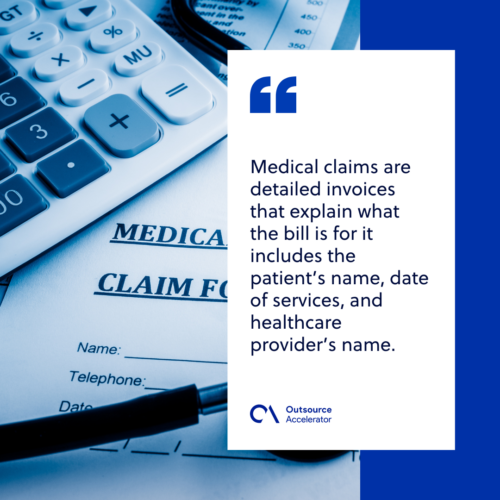
A medical claim is a provider’s request for payment after patient care. In short, it is a detailed invoice sent to the insurer. It lists the services and what the bill is for.
The claim also includes key patient details. For example, it shows the patient’s name, the date of service, and the provider’s name. As a result, the insurer can match the claim to the right plan.
Why claims get rejected
Insurers review each claim to check coverage and the right payment. As a result, they may reject a claim or reduce the payment. So providers must submit clean, accurate claims.
There are several reasons for claim rejection. For example, the insurer may find that a billed service did not fit the diagnosis. This is why teams review claims for duplicates, errors, or invalid data.
Steps in medical claim processing
Every claim needs its information and coverage verified. So how does the process actually work? Here is a step-by-step guide.
Claim submission
Most often, the provider files the claim. They know the standard medical codes best. So they handle the submission with care.
They gather the insurance details and fill in the codes. Then they send the claim to the insurer’s processing team. This usually happens right after the appointment.
Initial review
Next, an algorithm checks the claim for errors. For example, it flags typos, bad data, or duplicate charges. If it finds a coding error, the claim may be rejected or returned.
This is why insurers are strict about how claims are filed. In addition, the review confirms the claim arrived within the filing period. So timing matters as much as accuracy.
Eligibility assessment
The insurer pays only if the patient’s plan covers the service. Depending on the plan, it may pay all or part of the cost. As a result, the patient covers any remaining fee.
Repricing
Repricing applies the agreed rates to the medical billing charges. In short, the payer reviews the services the provider listed. Then it applies the negotiated rate for that provider and facility.
Benefits adjudication
Here, the insurer decides how much it will pay. This step is called claim adjudication. As a result, the insurer may pay in full, reduce the amount, or deny the claim.
Medical necessity review
Next, the insurer checks that the plan covers the billed services. Basically, it reviews all the relevant claim data. In addition, it confirms the care was necessary and safe.
As a result, patients avoid paying for services they did not need.

Risk review
Risk review tags a claim as low-risk or high-risk for fraud. The tag depends on the services, the line-item charges, and the total bill. So unusual claims get extra scrutiny.
Payment
The insurer then calculates and pays the provider. The amount rests on the agreed rate and the patient’s benefits. As a result, both sides know what to expect.
Explanation of benefits
The insurer must send an explanation of benefits (EOB). It breaks down the coverage and confirms the claim was processed. In addition, it shows the patient’s possible out-of-pocket cost.
Remember, the EOB is not the bill. So patients should review it against the care they received.
Billing
Finally, the provider sends the patient a bill. It should match the amount and services on the EOB. As a result, there are fewer surprises for the patient.
Best practices to streamline the claims process
Not every factor is within your control. Still, a few habits reduce frustration and delays. So here are three best practices for medical claim processing.
Review all claims before submission
First, review every detail before you submit. This lowers the error rate over time. As a result, it cuts the risk of a rejection.
Even a small mistake can trigger a denial. For example, a wrong birthdate can stop a claim. So double-check the basics first.
Keep a billing and coding review log
Next, keep a log of common denial reasons. It becomes a handy reference for EOB trends. As a result, you can spot patterns across insurers and groups.
Monitoring these trends helps you fix root causes. So denials and delays fall over time.
Provide a line-item billing statement
Finally, give the patient a line-item billing statement. It should show the total paid and any charges due. As a result, the patient can review the statement clearly.
Understanding the basics of medical claim processing
Medical claim processing is about more than good patient care. It also makes sure insurers can pay providers. So both sides depend on it.
The process can seem complex. However, accurate information before submission makes it smoother. As a result, when claims are clean, everyone benefits.
Frequently asked questions about medical claim processing
What are the steps in medical claim processing?
The main steps are submission, initial review, and eligibility assessment. Next come repricing, adjudication, and a medical necessity review. Finally, the insurer handles risk review, payment, the EOB, and billing.
Why do medical claims get denied?
Claims fail for many reasons. For example, coding errors, missing data, or late filing can cause a denial. In addition, a service may not fit the patient’s diagnosis or plan.
What is claim adjudication?
Adjudication is when the insurer decides its share of the cost. As a result, it may pay in full, reduce the amount, or deny the claim. The patient then covers any balance.
How can providers reduce claim denials?
First, review every claim before submission. Next, keep a log of common denial reasons. As a result, teams can fix errors and file cleaner claims.
Key takeaways
- Medical claim processing turns a provider’s claim into an accurate insurer payment.
- The process runs from submission through adjudication to final billing.
- Denials often come from coding errors, missing data, or late filing.
- Reviewing claims and logging denial reasons cut rejections over time.
- Clean, accurate claims get paid faster, so everyone benefits.






 Independent





