
Top five remote team management tips

What are the best practices for remote team management?
Good remote team management relies on the right tools, clear communication channels, regular check-ins, and flexible, empathetic leadership.
- Give your team the software they need to do great work.
- Set clear channels so messages never get lost.
- Stay flexible and check in often to keep people engaged.
Remote work has settled in as a normal way to run a business. In fact, the popularity of remote work setups has remained unchanged. Many firms enjoy the gains it brings, such as more flexibility and higher output.
As virtual work keeps growing, companies want to protect, or even raise, their efficiency through strong remote team management. So many turn to outsourcing firms like Remote Employee to help build a skilled remote team and manage it well. However, building a team is only one part of the job. You also need to know how to lead these workers day to day. So this article rounds up the most useful advice for effective remote team management.
What is a remote team?
A remote team is simply a group of employees who work from different places. These places can span cities, provinces, and even countries. For example, a New York company may have team members in New Jersey, Seattle, and the Philippines.
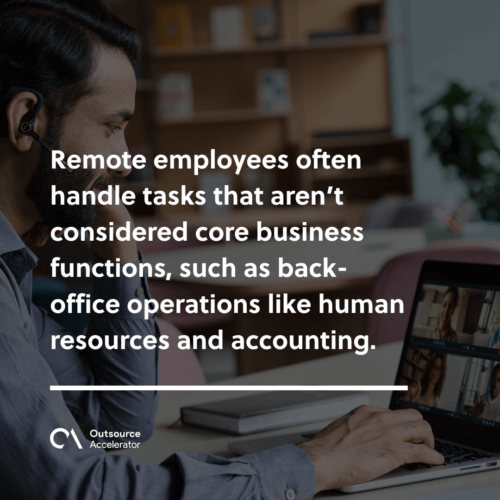
These workers do the same jobs as their onsite peers. The only difference is that they telecommute instead of coming into an office. Remote employees often handle tasks outside core business functions, such as back-office work like human resources and accounting.
However, it is common to hand over key functions too. For instance, sales, lead generation, or product development can also go to these virtual staff. For teams new to this, a short guide on managing a remote employee can help you start on the right foot.
Top five remote team management best practices
Here are the top remote team management best practices to make virtual work easy for your remote employees. These are not the only steps you can take. Still, they are among the most effective.
1. Make technology work for you
Many online tools can make remote work smoother. These range from communication apps and project management platforms to productivity and employee engagement tools. For example, apps like TeamFlow, Time Doctor, Tandem, and Zoho Cliq clear away many common hurdles.
2. Give remote employees the right tools
As noted above, tools like virtual office software make remote work much easier. So giving staff the right technology is vital for a remote setup to work. In fact, this one step delivers two wins:
- Higher productivity and efficiency
- Staff feel more valued when their company goes the extra mile
In addition, reliable remote work software helps teams stay in sync across time zones.
3. Establish clear communication channels
Clear channels prevent many misunderstandings. So create separate spaces for different purposes. This stops one channel from filling up with mixed topics. For example, you can set one channel per project and another for general chat. As a result, messages stay easy to find and follow.
4. Encourage remote interactions
Remote work does not have to mean feeling cut off. In fact, regular catch-ups impacts remote employees positively. These sessions let people raise concerns without feeling they are stealing time from tasks. So hold team huddles or one-on-ones at set times to keep communication open. A strong remote work culture grows from these small, steady habits.
5. Be flexible and empathetic
Team members will have very different home setups. Some live with a spouse and children, some with parents, and some alone. In the same way, some have a private workspace, while others work in the living room.
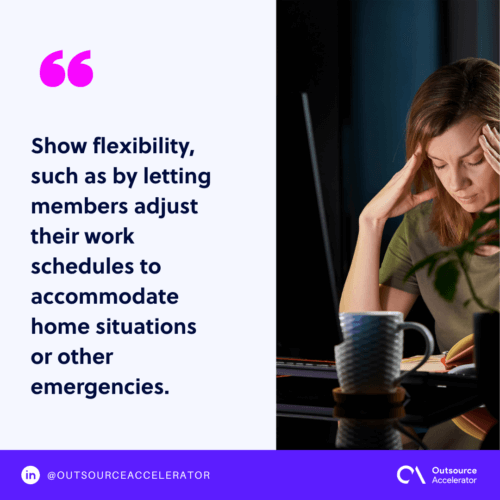
So show flexibility. For example, let people adjust their hours to fit home needs or emergencies. This helps remote staff keep a healthy work-life balance. Simple remote employee recognition ideas can also boost morale and loyalty.
Ensure remote team best practices by partnering with Remote Employee
Remote Employee is a global leader in efficient, dedicated remote teams. Its recruitment approach can fill your vacancies fast, without cutting corners on quality. With more than 600 remote jobs on offer, this firm can meet your remote workforce needs at a fraction of in-house cost. In addition, Remote Employee can boost your team with motivated, talented staff. Contact Remote Employee now and start building your remote team.
Frequently asked questions about remote team management
What makes remote team management different from managing in an office?
You cannot rely on hallway chats or body language. So you lean more on clear writing, set check-ins, and shared tools. Trust and results matter more than time spent at a desk.
Which tools help the most with remote team management?
Start with a chat app, a video tool, and a project management platform. Then add time tracking and engagement tools as needed. The goal is fewer apps that work well together.
How often should remote managers check in with their teams?
A short daily or weekly team huddle works for most groups. In addition, hold one-on-ones at set times. This keeps people aligned without constant interruptions.
How do you keep remote employees engaged?
Give clear goals, quick feedback, and real recognition. Also make room for casual chats so people feel part of the team. Small, steady habits matter more than one big event.
How can outsourcing help with remote team management?
A good provider recruits, onboards, and supports your remote staff. So you get skilled people without the heavy hiring work. This frees your managers to focus on results.






 Independent






