
7 causes of miscommunication in the workplace and how to avoid them


What are the main causes of miscommunication in the workplace?
The main causes of miscommunication in the workplace are unclear messages, missing context, poor management, one-way communication, low morale, negative reinforcement, and limited feedback.
- Most issues start with vague or incomplete messages.
- Weak management and one-way talk make things worse.
- Clear goals and two-way feedback help prevent them.
Even the most efficient and productive team will hit a few hiccups at work. Every day, small causes of miscommunication slip into a conversation. Some people see them as minor mistakes. Others may not notice at all. Addressing the mistake is a good way to avoid further conflict. But can we avoid these issues altogether? Let’s take a closer look.
Written and verbal communication systems in the workplace
Emails, meetings, and coaching sessions are all part of a workplace communication system. Both written and verbal communication can be formal or informal. Written communication covers emails, memos, and chat messages. Formal written notes can also serve as official records. This helps most when the first talk was casual or verbal.
Verbal communication happens in person, by phone, or on a video call. One advantage is that it is instant. However, it has a downside too. Without written records, the message can be forgotten or misread. So to build a stronger base, teams should study effective communication in the workplace.
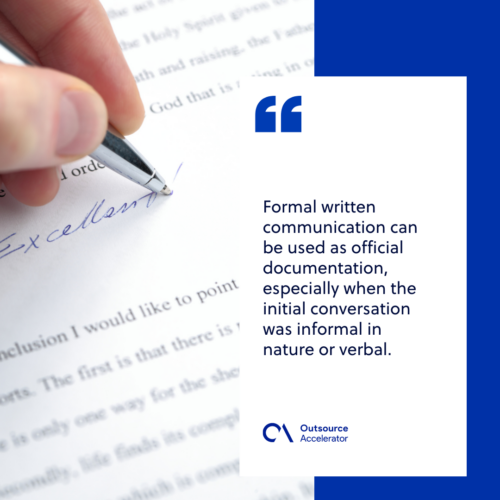
In the workplace, documentation matters a lot. It can serve as evidence or as an official record of what happened. Too much or too little communication can still lead to confusion. So everyone should help build a culture of good communication habits. In fact, healthy workplace dynamics make this far easier.
7 common causes of miscommunication in the workplace
Once miscommunication happens, both sides should address the cause. This helps avoid more conflict and stops it from repeating. Here are the seven most common causes of workplace miscommunication.
1. Unclear message
One main goal of communication is to send a message clearly. But sometimes we fail to state the topic or the point. As a result, the message gets lost. This creates poor communication between managers, staff, and executives.
2. Lack of context
In the workplace, context is a must. Reports, analyses, and guides are useless out of context. So a lack of context is a major cause of miscommunication. The listener may assume one thing while the speaker means another. These barriers push people to “agree” without full understanding.

3. Poor management
Poor management is another major cause of miscommunication. Some managers withhold info because it is “above the pay grade.” Others delegate tasks the wrong way. On top of that, weak or power hungry leaders drive people out. In fact, poor management is a common reason employees quit.
4. One-way communication
One-way communication happens when the speaker blocks discussion. Yet open talk builds a warm, welcoming team culture. If the speaker allows no comments or ideas, people feel ignored. As a result, it sends a negative ripple through the company.

5. Demoralized staff
Low productivity rates often signal that staff feel demoralized. This can be fixed, but prevention is better than cure. In a team that runs on apathy, miscommunication is more likely. So it hurts both work quality and personal lives. Employees spend most of their time at work, so care for them well. In addition, simple morale boosters and employee engagement tools can help.
6. Negative reinforcement
Sadly, some workplaces use negative reinforcement to push output. Scare tactics and intimidation are common examples. This is one of the most harmful causes of miscommunication. After all, it breeds a toxic work environment.
7. Limited feedback
In a professional setting, feedback helps employees grow. However, vague feedback and baseless criticism do the opposite. They demoralize staff and give no path to improve. That said, feedback is not about spoon-feeding answers. Instead, it turns comments and ideas into an actionable improvement plan.
How to avoid the causes of miscommunication in the workplace
As part of an organization, we can do a lot to reduce misunderstandings. Below are the best ways to prevent poor workplace communication. Of course, deep-rooted issues need open discussion among all parties.
Two-way communication
This is the opposite of one-way communication. Two-way talk builds healthy links between coworkers, managers, and leaders. So give everyone a chance to speak through meetings or emails. As a result, you spark fresh ideas and more transparency.
Positive reinforcement
With positive reinforcement, employees tend to be more productive. This method works well even outside the workplace. It rewards good behavior, so that behavior repeats. In fact, strong leadership behaviors make this approach stick.
Boosting employees’ morale
Boosting morale often lowers the chance of miscommunication. You can reward great work and build a positive culture. Team-building exercises are a good place to start. In fact, high team morale supports clearer, calmer communication.
Clear goals and objectives
Setting clear goals and objectives helps avoid misunderstandings. This is true even within a single department. It matters most in daily operations and task delegation. So every team member knows their role and duties.

Reforming the organization
Reform is not easy for any company. It can take months or even years of internal change. Employees also need time to shift the mindset. When poor communication is deeply rooted in management, reform may be the last option.
Is callout culture another cause of miscommunication?
Callout culture grew from social media. Believe it or not, it has crept into some workplace teams too. One example is singling out team members who did poorly on a task. More than a cause of miscommunication, this poor culture is unfair. It gives the affected person no chance to explain through the right channel. As a result, it breeds a hostile workplace built on public shame, not accountability.
Frequently asked questions about the causes of miscommunication
What are the most common causes of miscommunication at work?
Unclear messages and missing context top the list. Poor management and one-way talk also play a part. So does limited feedback.
How can teams prevent miscommunication?
Use two-way communication and set clear goals. Add positive reinforcement and regular feedback. As a result, misunderstandings drop.
Why does poor management cause miscommunication?
Weak managers withhold information or delegate poorly. So messages get lost or confused. This also pushes good staff to leave.
Does low morale lead to miscommunication?
Yes. Demoralized staff engage less and miss key details. So morale boosters and clear goals help a lot.
Key takeaways
- Most causes of miscommunication start with unclear messages and missing context.
- Poor management, one-way talk, and low morale make things worse.
- Two-way communication and clear goals prevent most issues.
- Regular, useful feedback keeps teams aligned.






 Independent





