
10 brand awareness strategies that will make your brand noticed


What is a brand awareness strategy?
A brand awareness strategy is a clear plan to help more people know, recognize, and trust your brand.
A strong brand awareness strategy does three things:
- It puts your brand in front of new buyers.
- It builds trust, so people choose you first.
- It turns happy customers into loyal fans.
Word-of-mouth can only take a business so far. So at some point, you need fresh audiences and stronger awareness. Becoming a household name is not overnight work. In fact, startups and large firms spend years to build their brands worldwide. Competition today is tough. As a result, getting noticed in the market keeps getting harder. Customers also stay loyal when you market more than products. Because of this, you must build your branding[1] and authority online. The good news? There are many simple ways to get your business noticed fast.
What is brand awareness?
Brand awareness is how well customers know a brand and its products. The level of awareness can differ for small firms and large ones. Big brands often earn fame over time. Small businesses, however, can track it in simpler ways.
Here are common signs of brand awareness:
- Customers pick your brand for its products or services.
- People type your brand name or a branded keyword you rank for.
- Social media users know your brand for its personality.
- Customers know what your brand is famous for.
Why creating brand awareness matters
Your company will not grow if only a few people know your brand. Strong recognition helps you convert and keep your target audience. In addition, it introduces three key things to a wide market:
- Your company
- Your values
- Your products
Marketing also runs smoother with a clear brand voice online. As a result, your content gets more traction and reach. Finally, brand awareness builds loyalty with your current audience. You can also manage your reputation by replying to feedback. To guide the whole effort, it helps to start with a simple marketing plan that sets clear goals.
Measuring brand awareness
Measuring your campaign is the best way to see if your strategy works. Brand awareness can be measured in a few ways.
Website traffic
Website traffic is one clear signal. There are free tools to check how much traffic you get in a set period. Still, results depend on your market and services.
Search volume
Search volume is another useful gauge. Not every brand ranks well for its own name. So checking the keywords you rank for gives you extra insight.
Social listening
Meanwhile, social listening tracks mentions, comments, and feedback across social media [2]. You can spot comments even when your page is not tagged. For example, you can search your brand name on each platform. In addition, many brand monitoring tools can track this for you.
Surveys
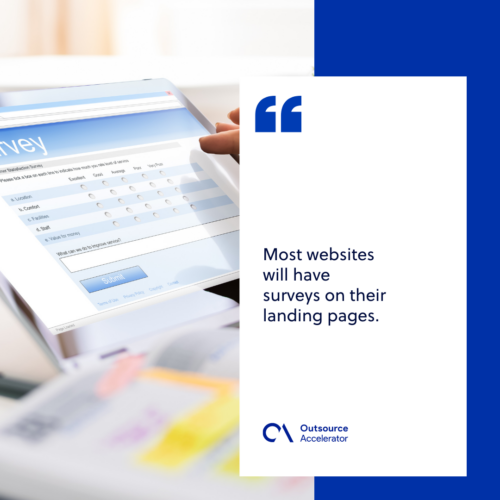
Finally, surveys work well on landing pages. Here, you can ask people how they found your company.
Brand awareness strategy concepts to try
There is no single formula to become a famous brand. Your success depends on your focus, culture, and values. Still, you can test several types of brand strategy to grow over time. Here are common concepts to raise brand awareness.
Influencer marketing
First, influencer marketing is a strong way to boost awareness. All it takes is a trusted face to promote your products. You can use a partner’s influencer network or reach out directly. Keep in mind that results depend on their reach and follower base.
Content marketing
One of the best ways to get noticed is through your content. Content marketing is more than adding keywords. Instead, it should show your authority and deep industry knowledge.
Guest blogs
Besides your own content, you can write guest posts for other sites. First, plan each guest post with care. Next, research blogs in your industry that accept guest work. Then create original, evergreen content that fits each site’s rules.
PPC advertising
Free promotion is not the only path to brand awareness. So consider a pay-per-click (PPC) campaign for search engines. PPC is a fast, cost-effective way to get noticed. It can also place you on page one, above organic results. In addition, it lets you target buyers by persona, location, or demographic.
Infographics
Infographics are part of content marketing. They help you teach your audience about industry topics. Attention spans are short today. As a result, a clear visual representation helps people grasp ideas fast. What’s more, infographics are easy to share on social media.
Online contests
Over time, your audience may engage less with your content. When this happens, win back attention with contests and giveaways. Social media contests are one of the best ways to grow awareness. For example, you can run a giveaway or a small talent contest. You can also use your website and profiles to host them. This way, you earn referrals and leads from shares and tags.
Freebies and freemium products
Brand awareness does not always mean a customer must buy. This is where freebies and freemium items help. Freebies are physical products. Freemium items apply to software and apps with paid upgrades. Either way, customers try your product while you get free promotion.
Referral programs
Word-of-mouth is a proven way to spread awareness. In fact, research shows referred customers are more profitable than new ones. So reward your customers and gain leads through referrals. Build a program that taps their networks for you.
Social media presence
Buyers are active on social media and expect you there too. Because of this, most firms use social platforms to grow and connect. Learning the basics of social media marketing helps a lot here. In addition, social media platforms now offer many tools to boost reach. You can also run paid ads on Facebook and other channels. Meanwhile, your page can double as a support channel.
Partnerships
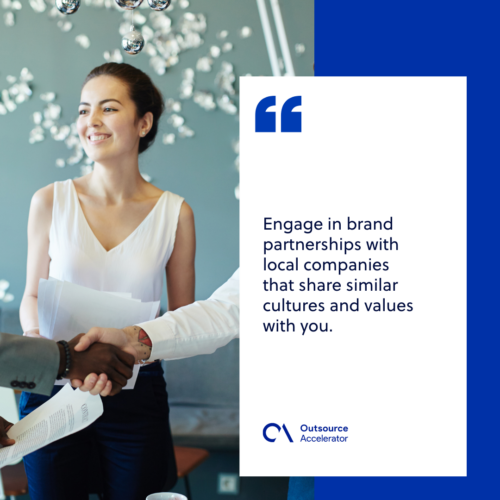
Finally, partner with local firms that share your values. A partner does not have to be another business. For example, you can team up with non-profits or local groups. Then build campaigns that engage both audiences. Some of the most successful examples are GoPro and Red Bull, Alexander Wang and H&M, and Target and UNICEF.
How to build a better brand awareness strategy
Not every tactic above will lift your brand awareness. So you need the ones that fit your goals and vision. The good news? You can run several campaigns at once to grow faster. Here are simple steps to build a better plan.
- Evaluate your current strategies. First, review what you already do. Check the strengths, weak spots, and what did not work.
- Build your online presence. Next, set up your website and social pages if you lack them. These are your main tools online.
- Create a plan. Then list your goals and map the steps to reach them.
- Use monitoring tools. Also, track your results with clear metrics over time.
- Outsource brand awareness. Finally, branding takes time to manage. So you can outsource brand building to trusted providers like Remote Employee to grow your brand awareness cost-efficiently. Many firms also outsource digital marketing to move faster.
Article references
[2] Social media: boyd, danah (2015) ‘Social Media: A Phenomenon to be Analyzed’, Social Media + Society. doi: 10.1177/2056305115580148.
Brand awareness strategy FAQs
How long does it take to build brand awareness?
It depends on your market, budget, and effort. Small firms may see early signs in a few months. Bigger recognition, however, often takes a year or more. So treat it as a long game, not a quick win.
How do you measure a brand awareness strategy on a small budget?
Start with free tools first. For example, check website traffic, branded search, and social mentions. In addition, a short landing-page survey can ask how people found you. These simple signals show progress without heavy spend.
What is the difference between brand awareness and brand recognition?
Brand awareness means people know your brand exists. Brand recognition means they can spot it by a logo, color, or slogan. So recognition is a deeper, more visual layer of awareness. Both grow with steady, consistent branding.
Can you outsource brand awareness work?
Yes, and many firms do. For example, you can outsource content, social media, and ad campaigns. This frees your team to focus on the core business. It also gives you skilled help at a lower cost.
Which brand awareness strategy works best for a new business?
There is no single best pick for everyone. Still, content marketing and social media are strong, low-cost starts. Next, add referrals and small partnerships to widen reach. Then test paid ads once you know what your audience likes.






 Independent






