
Philippines’ tech edge: Why hiring a remote software developer is surging

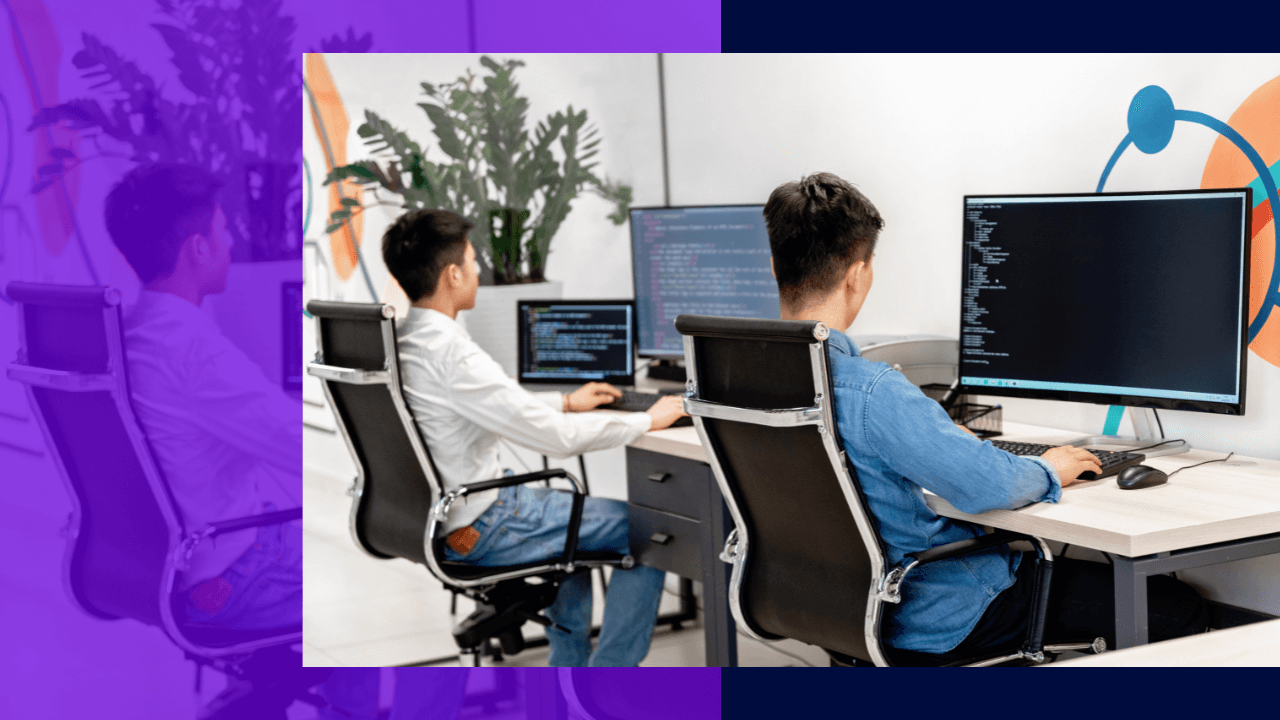
Why hire a remote software developer from the Philippines?
Hiring a remote software developer from the Philippines gives you skilled tech talent, strong English, and lower costs, all without the local hiring crunch.
- Filipino developers are trained across the full tech stack.
- Strong English skills make daily collaboration smooth.
- Lower living costs mean fair pay for them and big savings for you.
Let’s face it: building a tech team locally can be costly and slow. Today’s talent shortages make it even harder. So more businesses now look beyond their borders.
The Philippines is fast becoming the go-to spot to find a remote software developer with the skills you need. The country is not new to outsourcing. For years, it has been home to many of the world’s biggest BPO firms. Now, it is making waves in tech too.
According to the Philippine Statistics Authority, the IT-BPO sector employs over 1.3 million people. Many of them are skilled developers. With solid training, strong English, and a name for adaptability, Filipino developers are some of the best hires you can make. So why is this trend taking off? Let’s break it down.
What a remote software developer from the Philippines has to offer
Hiring a remote software developer from the Philippines gives foreign firms top talent at fair rates. The country has a thriving tech scene and a growing pool of skilled pros. As a result, it is a top choice for outsourcing software development. Here is what these developers bring to your team.
1. Highly skilled tech talent
Filipino developers are trained across the stack. So you will find experts in both front-end and back-end work. Many hold degrees in Computer Science or IT. But their real edge is adaptability.
Whether you need a Python pro, a Java guru, or someone who can juggle multiple software development frameworks, you will likely find that skill in the Philippines. In fact, you can find some of the best software developers in the Philippines at a fraction of Western rates.
Some of the most common tools and languages they work with include:
- JavaScript
- Python
- Java
- PHP
- Ruby on Rails
The local tech scene is growing fast. So developers keep updating their skills to stay sharp. That means when you hire here, you get pros who are well-trained and eager to learn.
2. English fluency for smoother collaboration
Communication is one of the biggest hurdles in offshoring. But here is where the Philippines shines. Ranked 22nd globally in English proficiency by Education First (EF), the country is full of developers who speak clearly.
They can express ideas, grasp project needs, and join team talks with ease. This fluency saves you time. So you get clear communication from day one, with no long back-and-forth to slow your timeline.
3. Cost-effective hiring without cutting corners
Let’s be real: cost savings drive many offshore hires. And yes, hiring a remote software developer in the Philippines can save a lot versus the U.S., U.K., or Australia. But cheaper does not mean lower quality.
Because the cost of living is lower, developers earn a solid wage locally while staying affordable for foreign firms. The average salary in the Philippines reflects this gap. So it is a real win-win: your costs stay manageable, and your developer earns a good living.
4. Cultural fit that makes teamwork easy
Filipino pros are known as hardworking, reliable, and team-first. Similarly, they adapt well to different work settings. They also blend smoothly with Western company cultures. That fit matters a lot in remote setups, where good collaboration can make or break a project.
A remote software developer from the top BPOs in the Philippines brings skill, savings, and clear communication. These are valuable assets for any firm that wants to scale and innovate.
4 key considerations before hiring a Philippine remote software developer
Like any remote setup, offshore hiring comes with a few things to plan for. These are not deal-breakers. Still, knowing them early sets the stage for a strong working relationship.
1. Time zones matter
The Philippines runs on GMT+8. So it may differ a lot from your own workday. As a result, this can make real-time work tricky unless you plan ahead. The good news? Filipino developers are usually flexible and happy to shift hours for overlap. Just set clear expectations early on.
2. Work culture and communication
Even with strong English, small cultural gaps can pop up. Filipinos are polite and accommodating, which is great. But it can also mean they hesitate to say “no” or push back directly. So set up open habits, like regular check-ins and feedback sessions, to bridge that gap.

3. Connectivity and infrastructure
Internet speeds in the Philippines have improved a lot. Still, they can vary by location. So before you hire, confirm that your developer has reliable internet, backup options, and the right gear. This keeps them connected even during outages or busy times.
4. Legal and contractual setup
Cross-border hiring brings compliance questions. Contracts, taxes, and labor laws can differ between your country and the Philippines. So it is smart to work with an outsourcing provider or legal partner. They can iron out the details, so you and your developer stay protected from day one. Many firms fold this into broader IT outsourcing services for peace of mind.
Cloudstaff: Connecting you with world-class remote developers
Finding the right developer is hard when you compete with local talent shortages. That is where Cloudstaff steps in. With over 15 years of experience in global outsourcing, Cloudstaff connects businesses with highly skilled remote software developers in the Philippines.
What makes them stand out? They do not just hand you a stack of resumes. Cloudstaff uses smart tools, including AI-driven recruitment, to match you with developers who truly fit your needs. That means a fit on both skills and culture. So their approach takes the guesswork out of offshoring and helps you scale your team fast.
Start building a stronger, more efficient team with Cloudstaff’s global talent solutions!
Frequently asked questions about hiring a remote software developer
How much can I save by hiring a remote software developer in the Philippines?
To be clear, savings vary by role and skill level. Still, many firms cut costs sharply versus Western hires. The lower cost of living drives this gap, without a drop in quality.
Are Filipino developers good at English?
Yes. The Philippines ranks high in global English proficiency. So developers can join meetings and grasp project needs with ease.
How do I manage time zone differences?
Set clear overlap hours early. Most Filipino developers gladly adjust their schedule. Regular check-ins also keep everyone aligned.
What skills do Philippine remote developers have?
They work across the full stack. Common languages include JavaScript, Python, Java, PHP, and Ruby on Rails. Many also know modern frameworks and tools.
Should I use an outsourcing provider to hire?
A provider helps with sourcing, contracts, and compliance. So it lowers your risk. It also speeds up the hiring process.
Key takeaways
- The Philippines offers skilled, adaptable remote software developers at fair rates.
- Strong English skills make daily collaboration clear and fast.
- Lower living costs mean big savings for you and solid pay for developers.
- Plan for time zones, culture, connectivity, and legal setup before you hire.
- A provider like Cloudstaff can match you with the right developer and handle the details.






 Independent





