
How mobile technology is shaping digital communication

How is mobile technology shaping digital communication?
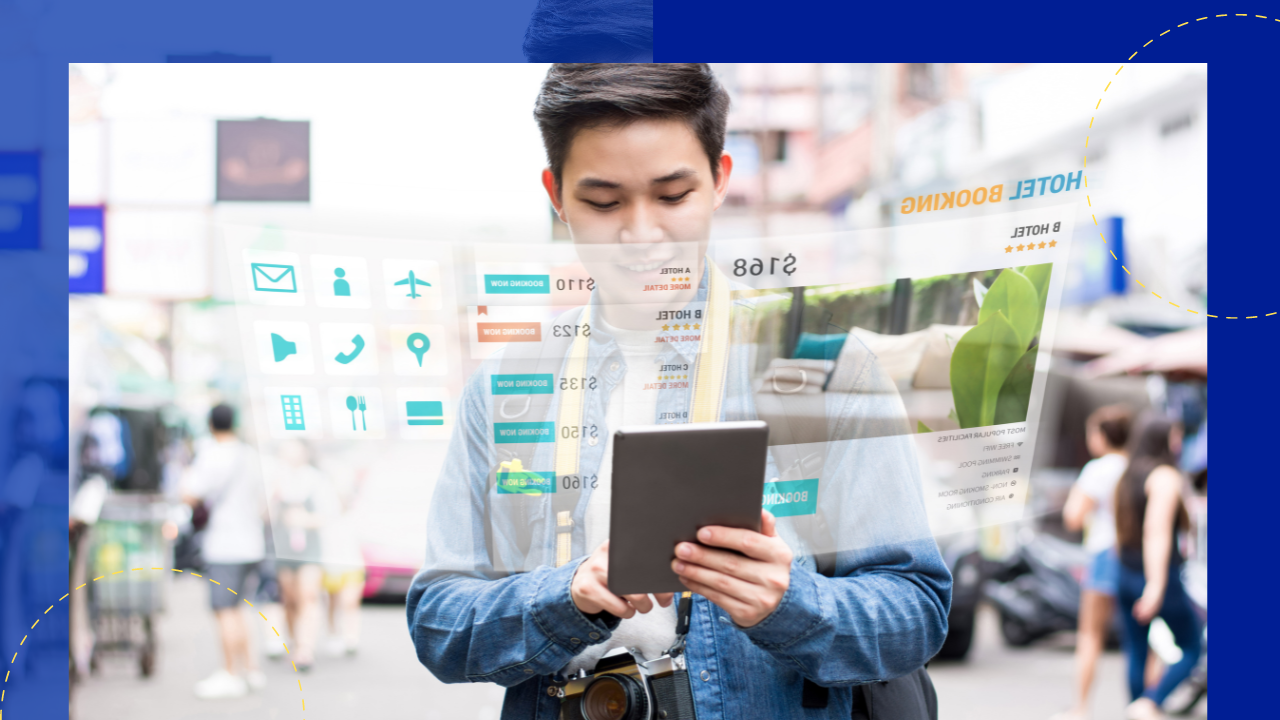
Mobile technology shapes digital communication by putting instant, always-on tools in our pockets, which changes how we talk, work, learn, and shop.
- It links people in real time through calls, messages, and apps.
- It opens fast access to the internet, work tools, and entertainment.
- It also brings risks, such as health strain, overuse, and security threats.
Since the first portable phone, mobile technology has changed at an amazing pace. It has sped up new ideas and reshaped how we work and live.
As a result, it has opened fresh paths for growth. From the wide use of mobile apps to the rise of 5G, mobile technology offers huge potential. Next, let us look at the common types and how they touch our lives.
What is mobile technology?
Mobile technology means the devices, apps, and services that help us stay connected on the move. In short, it keeps us in touch wherever we go.
At its core are mobile devices, which include:
- Smartphones
- Tablets
- Laptops
- Wearables
- Portable digital assistants (PDAs)
- Other gadgets with wireless features
Mobile technology uses networks to stay connected. Because of this, you can reach the internet and run apps without a fixed line.
Types of mobile technologies
Several mobile technologies have grown over the years. Each one shapes how we talk, find facts, and use digital content. Here are some key types.
SMS
Short message service (SMS) lets people swap short text messages between phones. It is a basic and very common way to communicate.
In fact, it makes quick and short exchanges easy. SMS runs on fixed mobile telephony systems. First built for wireless links between mobile stations, it remains simple and reliable.
MMS
Multimedia messaging service (MMS) builds on SMS. It lets users send text plus images, videos, audio files, and contact cards.
MMS works much like email, yet only devices with MMS support can use it. As a result, it can carry richer, more visual messages than SMS.
Cellular networks
Cellular networks send data between phones through radio waves. A cell tower acts as a relay between each device and the wider world.
This form of mobile technology spans various generations, such as 2G, 3G, 4G, and 5G. Meanwhile, these same networks now power the Internet of Things and smart devices at home and at work.
Wi-Fi
Wi-Fi lets devices connect to the internet through a wireless local area network (WLAN). Today, many public spaces offer it as well.
Phones can join Wi-Fi hotspots for fast data. As a result, they rely less on cellular data.
Bluetooth
Bluetooth supports short-range wireless links between devices. For example, people use it to share files and connect headphones or speakers. It also lets devices talk to each other directly.
Impact of mobile technology on society
Mobile technology is now part of daily life. Still, like any strong tool, it brings both good and bad effects.
Negative effects
Mobile technology has a few clear drawbacks.
Health concerns
There has been much worry about the negative effects of heavy phone use on health. For instance, too much screen time can cause:
- Digital eye strain
- Neck pain
- Disrupted sleep
Heavy use can also lead to a sedentary lifestyle. In turn, this raises the risk of obesity and heart problems.
Addiction and overuse
Addiction means a physical or mental dependence on something, like a drug. The pull of apps, social media, and games can lead to overuse.
As a result, users may skip real-world contact and duties. Once a habit sets in, it is very hard to change.
Cybersecurity risks
The rise of mobile technology has opened new doors for criminals. Phones hold personal and company data, which can unlock other systems.
Everyone online faces threats like malware, phishing, and a data breach. To stay safe, firms and users should follow simple cybersecurity best practices on every device.
Social isolation
Mobile technology boosts digital chat, yet it can cut face-to-face time. People spend more hours at home and less time outdoors.
This is a problem because real contact keeps us well. Over time, isolation can bring stress and depression, which harm long-term health.
Digital divide
Mobile technology is far more common today than a few years ago. Still, it is not within reach for everyone.
The digital divide is the gap between those with access to information and communication technologies (ICTs) and those without. Cost, infrastructure, and location all drive this gap. As a result, it deepens social, economic, and educational inequality.
Positive effects
Despite these drawbacks, mobile technology also brings many gains, such as the following.
Instant communication
Perhaps the biggest benefit is instant communication. It is easier than ever to reach friends, family, and coworkers anywhere.
Besides better personal ties, it helps business owners too. For example, they can reach staff and customers with ease.
Access to information
With mobile technology, users tap a vast pool of facts, mainly through the internet. In fact, going online is a big reason phones took off.
As long as you have a connection, you can reach websites, apps, and digital books. Many teams also store this data in the cloud, so it is ready on any device.
Entertainment options
Mobile technology has changed how people enjoy fun. From a single device, you get games, streaming, and even augmented and virtual reality. As a result, there is something for every taste.
Economic opportunities
The growth of mobile technology has created new careers. For instance, there is steady work for engineers, accountants, and designers. Skilled mobile app development teams are in high demand as well.
Mobile technology also fuels growth through e-commerce, digital payments, and online marketplaces. In turn, it helps small firms reach wider audiences.
Efficient task management
Mobile technology helps workers do more on the go. It gives quick access to company data from anywhere.
In addition, software tools support task management, scheduling, and planning. As a result, they lift productivity at home and at work.
Frequently asked questions
What is mobile technology in simple terms?
Mobile technology is the set of devices, apps, and networks that keep us connected on the move. Smartphones, tablets, and wearables are common examples.
What are the main types of mobile technology?
The main types include SMS, MMS, cellular networks, Wi-Fi, and Bluetooth. Together, they support calls, messages, and internet access.
How does mobile technology affect daily life?
It makes communication, work, and shopping faster and easier. Still, heavy use can strain health and raise security risks.
Is 5G part of mobile technology?
Yes. 5G is the newest generation of cellular networks. It offers faster speeds and lower delay than 4G.
What are the biggest risks of mobile technology?
The top risks are health issues, overuse, and cybersecurity threats. Phishing, malware, and data breaches are common online dangers.
Key takeaways
- Mobile technology links people in real time and drives digital communication.
- Its main types are SMS, MMS, cellular networks, Wi-Fi, and Bluetooth.
- It opens access to information, entertainment, and new career paths.
- The downsides include health strain, overuse, and security threats.
- Simple habits and good security help you get the most from your devices.






 Independent





