
A definitive guide to digital manufacturing

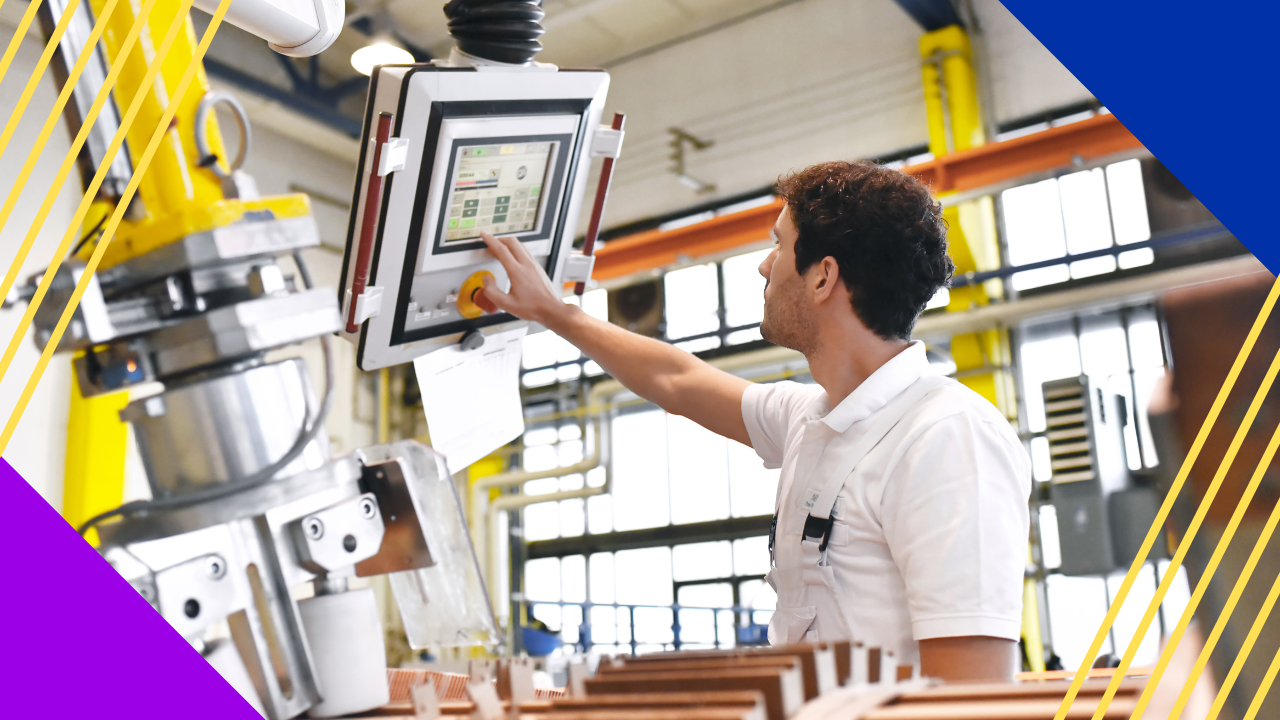
What is digital manufacturing and why does it matter?
Digital manufacturing uses advanced technology to connect and improve the whole production lifecycle, from design to delivery, so factories work faster, cleaner, and smarter.
- It links design, production, and the supply chain into one connected system.
- It cuts waste, raises quality, and speeds up output.
- It pairs well with traditional methods, so you can adopt it step by step.
Digital manufacturing has reshaped the industrial world. In short, it brings a new era of efficiency, customization, and sustainability.
Like Industry 4.0, digital manufacturing uses advanced tools. As a result, it changes how products are designed, built, and shipped.
According to Mordor Intelligence, the digital transformation market in manufacturing has been projected to grow at a strong double-digit CAGR of 18.97%. This shows the vast growth potential of a billion-dollar industry.
In this guide, we explain what digital manufacturing is. Next, we cover its benefits and challenges. Finally, we look at the key tools and the trends that will shape this field.
What is digital manufacturing?
Digital manufacturing uses advanced tech to connect and improve the manufacturing lifecycle. In practice, it spans design, production, supply chain, and even after-sale support.
The process streamlines that whole lifecycle. As a result, makers produce goods more efficiently, accurately, and sustainably.
3 types of digital manufacturing
Digital manufacturing splits into three main types. Each one maps to a different phase of production.
1. Product lifecycle
This type builds tech into the full product development cycle. For example, it covers design, prototyping, and production, right through to maintenance and disposal.
It also supports better teamwork, simulation, and testing. As a result, it cuts the time and cost of physical prototypes.
2. Smart factory
The smart factory uses connected systems and devices. These tools share data and make choices in real time.
Smart factories turn old-style plants into highly automated, linked systems. In turn, they enable live monitoring, data analysis, and fast decisions.
As a result, costs and downtime fall while output and quality rise.
3. Value chain management
This type improves supply chain and logistics with technology. For example, it tracks inventory, shipments, and production.
Digital manufacturing tunes the whole value chain with data. So it strengthens supplier ties, inventory control, logistics, and customer contact. Many firms now lean on warehouse automation to speed these steps.
It also brings end-to-end visibility and traceability. As a result, costs drop and operations get clearer.
Advantages of digital manufacturing
Digital manufacturing brings many gains to makers. Here are the biggest ones.
Increased efficiency and productivity
Digital manufacturing smooths production and delivers:
- Reduced production time and costs. It removes bottlenecks and cuts downtime. As a result, output is faster and cheaper.
- Streamlined supply chain management. Live data supports better forecasting, inventory control, and delivery. In turn, the supply chain runs leaner.
- Improved resource use. It uses materials, energy, and labor wisely. So waste falls and efficiency rises. The broader benefits of automation apply here too.
Enhanced product customization and complexity
Unlike traditional methods, digital manufacturing can:
- Produce complex shapes. Tools like 3D printing create detailed, custom designs that were once hard to build.
- Enable mass customization. Firms can meet each buyer’s taste. As a result, they offer unique, personal products.
- Respond to shifting demand. It adapts fast to trends and customer needs. So companies stay competitive.
Improved quality and accuracy
Digital manufacturing helps ensure:
- Consistency and precision. Automation and digitization cut human error. As a result, products stay consistent.
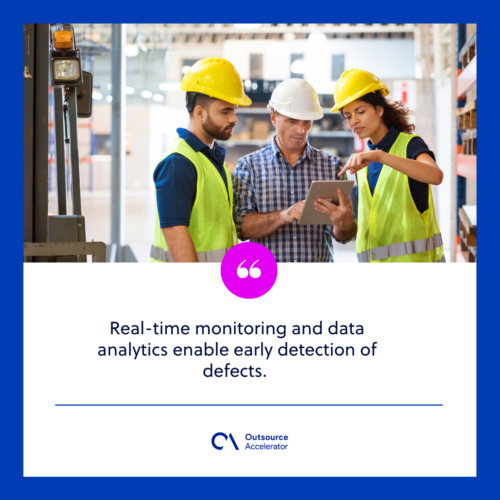
- Fewer errors and defects. Live monitoring catches faults early. So waste drops and quality climbs.
- Real-time quality control. Sensors and data track each step. In turn, teams fix issues the moment they appear.
Sustainable manufacturing practices
Digital manufacturing also aims to:
- Cut material waste and energy use. It uses resources well. As a result, waste and energy use fall, which helps the planet.
- Support greener production. Tools like 3D printing use less material and energy. So the approach backs eco-friendly work.
- Advance recycling and the circular economy. It favors recyclable materials and circular models.
Challenges and limitations of digital manufacturing
Digital manufacturing brings clear gains. Still, some hurdles remain. Here are the main ones.
Initial setup and implementation costs
Starting digital manufacturing can be costly. So it is hard to roll out at first.
The upfront spend on tools and training can be large. As a result, it is tough for small and medium-sized firms (SMEs).
Intellectual property (IP) and security concerns
Digital tools raise questions about data safety. For example, there are risks to intellectual property (IP).
Digital data holds huge value. However, its loss can be severe. So cybersecurity matters a great deal.
Because of this, firms must invest in strong measures to protect sensitive data.
Skill gaps and workforce training requirements
The shift needs a capable team that can run advanced tools. So workers need a broad base of digital skills.
Some firms struggle to hire and keep skilled staff. As a result, many must train staff to upskill or reskill their workforce.
Regulatory and standardization challenges
Makers often face compliance hurdles when they adopt digital tools. As the field grows, it needs shared standards and rules.
This helps systems work together across industries. For example, firms must meet environmental and export rules. In addition, their tech must match standards in each market.
Technologies and tools in digital manufacturing
Many tools support digital manufacturing today. Below are the most widely used ones.
Computer numerical control (CNC) machines
CNC machines run on computer programs. For example, they handle precise drilling, cutting, and milling.
These machines automate tool operation. As a result, machining is precise and efficient. This is one area where robotic process automation ideas carry over to the shop floor.
3D printing and additive manufacturing
3D printing builds products layer by layer. So it reduces waste and speeds up production.
It also gives designers more freedom. In addition, it supports fast prototyping.
Internet of Things (IoT) devices and sensors
IoT devices and sensors watch machines and collect data on the line. This data shows machine health and product quality. As a result, it helps teams boost performance. To learn the basics, see this guide to the Internet of Things.
Artificial intelligence (AI) and machine learning (ML)
AI and ML systems study manufacturing data. For example, they predict machine outages, catch faults, and sharpen customer insight.
Digital twins and virtual simulation
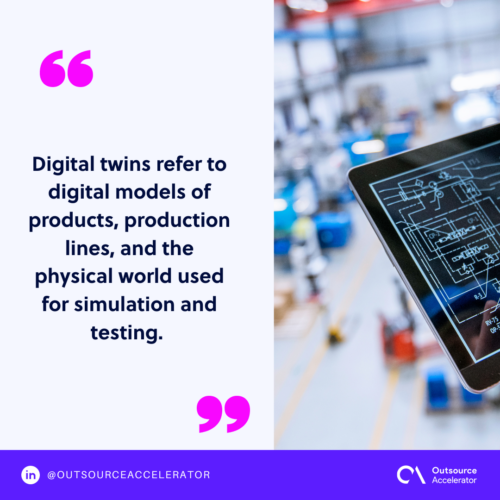
Digital twins are digital copies of products, lines, and the physical world. They let you test prototypes and processes without real production.
Digital manufacturing can blend with traditional methods to lift efficiency and scale. As a result, many firms build hybrids that use the best of both.
Implementation of digital manufacturing
Rolling out digital manufacturing follows a clear set of steps.
- Assessment and readiness. First, review your current processes. Then find areas that gain from digital tools, and check if you are ready.
- Technology selection. Next, pick the right tools based on your goals.
- Data integration. Here, you join data from many sources into one digital ecosystem.
- Training and upskilling. Then give staff the training they need to run the new tools.
- Pilot testing. After that, run pilot tests to check the setup works.
- Scalability. Finally, scale the effort across the whole company.
Future trends in digital manufacturing
The digital manufacturing shift is far from over. Many trends point to more advanced, connected tools. Here are the ones that will shape the future.
Advanced robotics and automation
The use of collaborative robots, or cobots, keeps rising. These robots take on more complex tasks. As a result, automation spreads across more lines. Some plants push toward full hyperautomation of linked processes.
Cybersecurity considerations in digital manufacturing
Cyber risks remain a real worry. So makers now use blockchain to secure digital records.
As factories grow more connected, attacks could trigger real-world accidents. Because of this, security stays a top priority.
Integration with other emerging technologies
Digital manufacturing will blend more with new tech. As a result, it opens the door to novel products.
For example, bioprinting can make human tissue for medical use. In addition, brain-machine interfaces may boost human-robot teamwork on the line.
Digital manufacturing FAQs
Is digital manufacturing the same as Industry 4.0?
They overlap, but they are not identical. Industry 4.0 is the broad shift to connected, data-driven industry. Digital manufacturing is the set of methods and tools that put those ideas to work in production. In short, digital manufacturing is how Industry 4.0 shows up on the factory floor.
Can small manufacturers afford digital manufacturing?
Yes, if they start small. Many tools now come as cloud services with monthly fees, so the upfront cost is lower. A smart move is to digitize one line or one process first. Then reinvest the savings into the next step.
How long does it take to see results?
Early wins can show up within months, such as less downtime or fewer defects. Bigger gains in cost and scale take longer. The timeline depends on data quality and staff training. So steady effort beats a rushed, full rollout.
What skills does a digital manufacturing team need?
Teams need a mix of shop-floor and digital skills. Useful areas include data analysis, automation, cybersecurity, and basic coding. Soft skills matter too, since staff must adapt to new tools often. Ongoing training keeps those skills current.






 Independent






